


Hummingbirds, with their iridescent feathers and remarkable agility, captivate birdwatchers and nature enthusiasts alike. These tiny marvels of the avian world bring joy and wonder as they flit from flower to flower, sipping nectar with their specialized bills. However, despite their small size, hummingbirds undertake incredible journeys, including migration, which is a subject of fascination for many. In this article, we delve into the specifics of when hummingbirds depart from Connecticut, shedding light on their migration patterns and the factors that influence their movements.
Understanding Hummingbird Migration
Hummingbird migration is a remarkable phenomenon that involves these tiny birds traveling thousands of miles between their breeding and wintering grounds. While many species of birds migrate, hummingbirds undertake some of the longest migratory journeys relative to their body size. Understanding the intricacies of hummingbird migration requires insight into their breeding behavior, environmental cues, and navigation abilities.
The Role of Photoperiod and Environmental Cues
One of the primary triggers for hummingbird migration is the changing length of daylight, known as photoperiod. As daylight hours shorten with the onset of autumn, hummingbirds receive signals that prompt them to begin their journey southward. However, photoperiod alone does not dictate migration patterns; environmental cues such as temperature and food availability also play crucial roles.
Connecticut as a Breeding Ground for Hummingbirds

Before discussing when hummingbirds leave Connecticut, it’s essential to recognize the state’s significance as a breeding ground for these birds. Several species of hummingbirds, including the Ruby-throated Hummingbird (Archilochus colubris), breed in Connecticut during the spring and summer months. Their presence in the state provides birdwatchers with opportunities to observe their fascinating behaviors up close.
Spring Arrival and Breeding Season
In Connecticut, hummingbirds typically arrive in the spring, signaling the start of their breeding season. As temperatures rise and flowers bloom, these migratory birds return from their wintering grounds in Central America and Mexico. Male hummingbirds often arrive first, establishing territories and engaging in elaborate courtship displays to attract females.
Nectar Sources and Feeding Behavior
During their time in Connecticut, hummingbirds rely heavily on nectar as a primary food source. They have specialized bills and long, extendible tongues that allow them to extract nectar from flowers with remarkable precision. Native flowering plants, as well as hummingbird feeders provided by bird enthusiasts, serve as essential sources of nectar to sustain these energetic birds throughout the breeding season.
Nesting and Reproduction
Hummingbirds construct intricate, cup-shaped nests using materials such as plant fibers, moss, and spider silk. These nests are often camouflaged among foliage and are meticulously woven to provide a secure environment for raising their young. Female hummingbirds lay tiny eggs, typically two in each clutch, and undertake the sole responsibility of incubating them until they hatch.
Fledging and Juvenile Behavior
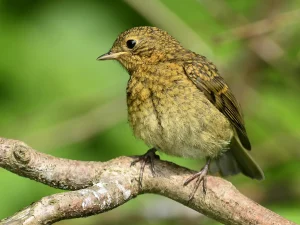
After the eggs hatch, both parents participate in feeding and caring for the nestlings. Juvenile hummingbirds grow rapidly and reach independence within a few weeks of hatching. During this time, they learn essential skills such as foraging for food and avoiding predators under the guidance of their parents.
Preparing for Migration
As summer transitions to autumn, hummingbirds in Connecticut begin to prepare for their journey southward. The changing daylight triggers physiological changes in these birds, including increased fat deposition to fuel their long flights. While exact departure dates may vary from year to year, hummingbirds typically begin their migration when environmental conditions signal the impending arrival of colder weather.
Timing of Departure
The timing of hummingbird departure from Connecticut varies depending on several factors, including weather patterns, food availability, and individual readiness. Generally, hummingbirds start their southward migration in late summer or early fall, with peak departure times occurring in September. However, some individuals may linger in the area until early October, especially if food sources remain abundant.
Tracking Migration Patterns
Advancements in technology, such as citizen science projects and the use of tracking devices, have provided valuable insights into hummingbird migration patterns. Researchers and bird enthusiasts collaborate to band and monitor hummingbirds, contributing to our understanding of their movements and behaviors throughout the annual migration cycle.
Hummingbird migration is a fascinating natural spectacle that highlights the resilience and adaptability of these remarkable birds. In Connecticut, observing the departure of hummingbirds signals the changing seasons and reminds us of the interconnectedness of all living organisms. By studying their migration patterns and understanding the factors that influence their movements, we gain a deeper appreciation for the challenges they face and the importance of conservation efforts to ensure their continued survival. So, the next time you spot a hummingbird in your backyard, take a moment to marvel at the journey it undertakes and the wonders of the natural world.
Migration Challenges and Adaptations
While hummingbirds possess remarkable abilities that aid in their migration, they also face numerous challenges along the way. One of the primary obstacles is the need to replenish energy reserves during their long flights. Hummingbirds rely heavily on nectar-rich flowers for fuel, but availability can vary significantly along their migration route. As they traverse vast distances, finding suitable stopover sites with ample food becomes critical to their survival.
Additionally, hummingbirds must navigate diverse landscapes, including urban areas, agricultural fields, and natural habitats. Encounters with human-made obstacles such as buildings, communication towers, and glass windows pose risks of collision and injury. Habitat loss and fragmentation further compound these challenges, as they diminish the availability of suitable nesting sites and foraging areas.
Despite these obstacles, hummingbirds have evolved remarkable adaptations to cope with the rigors of migration. Their efficient metabolism allows them to convert food into energy rapidly, enabling sustained flight over long distances. They also possess keen spatial memory and navigational skills, allowing them to recognize landmarks and orient themselves during their journey.
Environmental Factors Influencing Departure
The timing of hummingbird departure from Connecticut is influenced by a combination of environmental factors, including temperature, precipitation, and resource availability. While photoperiod serves as a primary trigger for migration initiation, favorable weather conditions play a crucial role in determining when hummingbirds embark on their journey.
In early fall, decreasing temperatures and diminishing daylight hours signal the onset of colder weather. Hummingbirds, sensitive to temperature changes, may depart earlier if conditions become unfavorable or if food sources begin to dwindle. Conversely, unseasonably warm weather may delay their departure, allowing them to prolong their stay and refuel before continuing southward.
Precipitation patterns also impact hummingbird migration, as heavy rains and storms can disrupt their flight and impede foraging opportunities. Hummingbirds may delay departure during inclement weather, waiting for conditions to improve before resuming their journey. However, prolonged delays increase the risk of encountering harsher weather conditions later in the season, underscoring the importance of strategic timing.
Variability in Departure Dates
While hummingbirds in Connecticut generally depart in late summer or early fall, the exact timing of departure can vary among individuals and populations. Factors such as age, sex, and breeding success may influence an individual hummingbird’s readiness to migrate. Juvenile birds, for example, may delay departure until they have gained sufficient strength and experience to undertake the journey independently.
Furthermore, variations in departure dates may reflect broader population trends and environmental conditions. In years with abundant food resources and favorable weather, hummingbirds may linger in Connecticut longer before initiating migration. Conversely, periods of resource scarcity or adverse weather conditions may prompt earlier departures as birds prioritize survival over extended foraging opportunities.
The Importance of Conservation
Understanding the timing of hummingbird departure from Connecticut is essential for conservation efforts aimed at protecting these charismatic birds throughout their annual migration cycle. By monitoring population trends and migration patterns, researchers can identify potential threats and implement targeted conservation strategies to mitigate risks.
Conservation initiatives may include habitat restoration projects, public outreach and education campaigns, and policy measures to reduce threats such as habitat loss, pesticide use, and climate change. Citizen science programs, such as Project FeederWatch and eBird, enable individuals to contribute valuable data on hummingbird sightings and behaviors, enhancing our understanding of their ecology and distribution.
Ultimately, ensuring the long-term survival of hummingbirds requires collaborative efforts at local, regional, and international levels. By preserving habitat, promoting responsible land management practices, and raising awareness about the importance of biodiversity conservation, we can safeguard these iconic birds for future generations to admire and enjoy.
When Do Hummingbirds Leave Connecticut
Continued Observations and Discoveries
As our knowledge of hummingbird migration continues to evolve, ongoing research and monitoring efforts provide opportunities for new discoveries and insights. By tracking individual birds using advanced tracking technologies and analyzing genetic data, scientists can unravel the complexities of hummingbird migration routes and population dynamics.
Moreover, the involvement of citizen scientists and amateur birdwatchers enriches our understanding of hummingbird behavior and distribution. Through collaborative efforts and shared enthusiasm for these remarkable birds, we can deepen our appreciation for the wonders of the natural world and inspire future generations to cherish and protect it.
Related Post:
Unlocking the Egg-Laying Mystery: When Do Ducks Start Laying Eggs?
Choosing the Perfect Pet Duck: A Comprehensive Guide
Exploring the Enigmatic Ancona Duck: A Quirky, Beautiful, and Versatile Breed
Hummingbird migration is a testament to the resilience and adaptability of these extraordinary birds. As they depart from Connecticut in late summer or early fall, their journey southward symbolizes the changing seasons and the interconnectedness of ecosystems across continents. By studying their migration patterns and addressing conservation challenges, we can ensure that hummingbirds continue to grace our skies with their vibrant colors and energetic flights for generations to come.
