

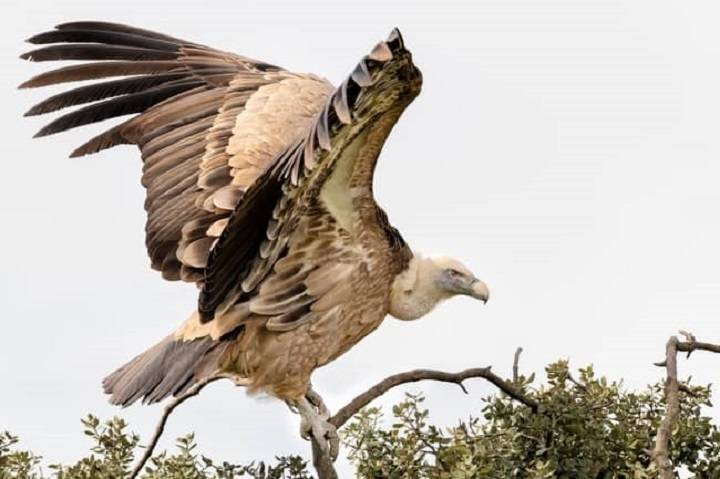
Throughout history, birds have been deeply intertwined with human beliefs, myths, and cultural practices surrounding death and the afterlife. Across different cultures and traditions, certain bird species have been associated with death, serving as symbols, omens, or messengers of the underworld. In this blog post, we embark on a journey to explore the symbolism of birds associated with death, delving into cultural beliefs, myths, and spiritual interpretations to unravel the mysteries surrounding these enigmatic creatures.
The Raven: Messenger of the Otherworld
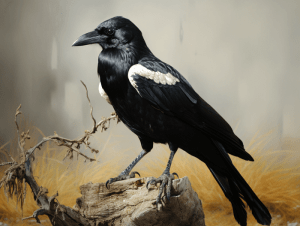
The raven, with its glossy black plumage and haunting calls, has long been associated with death and the spirit world in various cultures and mythologies. In many Native American traditions, the raven is seen as a powerful trickster and shape-shifter, capable of traveling between the earthly realm and the realm of the spirits. Among the Norse peoples, the raven was revered as a symbol of Odin, the god of wisdom, war, and death, who was often accompanied by two ravens named Huginn (thought) and Muninn (memory). In Celtic mythology, the raven was believed to guide souls to the afterlife and serve as messengers between the living and the dead.
The Crow: Harbinger of Doom
Similar to the raven, the crow is often associated with death and the supernatural in many cultures and mythologies. In Western folklore and superstition, crows are sometimes seen as omens of death or impending misfortune, with their presence believed to foretell a tragedy or loss. In Japanese folklore, the yatagarasu, a three-legged crow, is considered a symbol of divine guidance and protection, guiding souls to the afterlife and serving as messengers of the gods. In Hindu mythology, crows are associated with ancestors and are believed to carry messages between the living and the dead during funeral rites.
The Owl: Guardian of the Underworld
With its nocturnal habits and eerie calls, the owl has long been regarded as a symbol of death, wisdom, and the afterlife in many cultures and traditions. In ancient Greek mythology, the owl was associated with Athena, the goddess of wisdom and warfare, who was often depicted with an owl perched on her shoulder. In Egyptian mythology, the owl was seen as a guardian of the underworld and a symbol of death and rebirth. Among indigenous peoples of North America, the owl is often viewed as a harbinger of death or a messenger of the spirit world, with its hooting calls believed to announce the arrival of departed souls.
The Vulture: Scavenger of the Dead
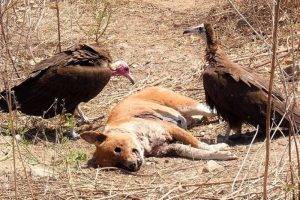
As scavengers of carrion and carrion-eaters, vultures have long been associated with death and decay in many cultures and mythologies. In ancient Egypt, the vulture was revered as a symbol of the goddess Nekhbet, who was depicted as a vulture or as a woman with the head of a vulture. Nekhbet was associated with protection, motherhood, and the afterlife, and was often depicted as a guardian of the pharaohs and the deceased. In Hindu mythology, the vulture is associated with the deity Jatayu, a noble bird who sacrificed his life to protect Sita, the consort of the god Rama, from the demon king Ravana.
The Phoenix: Symbol of Rebirth and Renewal
While many birds are associated with death and the afterlife, the phoenix stands out as a symbol of rebirth, renewal, and immortality in various mythologies and cultural traditions. According to ancient Greek and Egyptian mythology, the phoenix is a mythical bird that is cyclically reborn from its own ashes, symbolizing the cyclical nature of life, death, and regeneration. In Chinese mythology, the phoenix, known as the Fenghuang, is considered a symbol of harmony, prosperity, and the union of yin and yang. In Christian symbolism, the phoenix is sometimes associated with Christ’s resurrection and the promise of eternal life.
Symbolism of Birds Associated with Death
While birds associated with death may evoke feelings of fear or unease in some, it’s essential to interpret their symbolism within the context of cultural beliefs, myths, and spiritual traditions. In many cultures, death is viewed not as an end but as a natural part of the cycle of life, with birds serving as messengers, guides, and guardians of the soul’s journey to the afterlife. By exploring the symbolism of birds associated with death, we gain a deeper appreciation for the interconnectedness of life and death and the enduring power of myth and symbolism in shaping human beliefs and perceptions.
Related Post:
Unlocking the Mysteries of Duck Egg Laying: How Often Do Ducks Lay Eggs?
When Do Ducks Start Quacking? Unraveling the Quack-tastic Mystery
Exploring the Enigmatic Ancona Duck: A Quirky, Beautiful, and Versatile Breed
In conclusion, birds associated with death serve as powerful symbols and metaphors that transcend cultural boundaries and time periods. Whether viewed as messengers of the underworld, omens of impending doom, or symbols of rebirth and renewal, these enigmatic creatures provoke contemplation, reflection, and reverence for the mysteries of life and death. By exploring the symbolism of birds associated with death, we gain insight into the rich tapestry of human beliefs, myths, and spiritual traditions that have shaped our understanding of mortality and the afterlife. As stewards of the planet, it is our responsibility to cherish and protect these magnificent creatures and the cultural legacies they embody, ensuring that their symbolism and significance endure for generations to come.
