

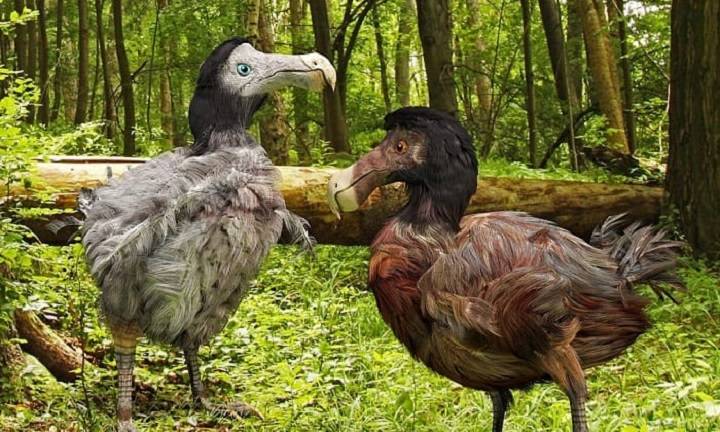
The dodo bird, a flightless bird native to the island of Mauritius, holds a unique place in the annals of natural history as one of the most iconic examples of extinction. While much attention has been focused on the dodo’s demise, less is known about its dietary habits and culinary preferences. In this blog post, we delve into the diet of the dodo bird, exploring its feeding behavior, preferred food sources, and ecological role in the island ecosystem.
The Dodo Bird: An Overview
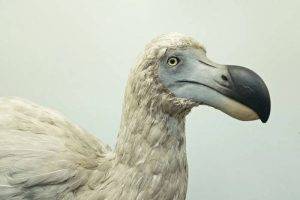
The dodo bird (Raphuscucullatus) was a large, flightless bird that inhabited the island of Mauritius in the Indian Ocean. Belonging to the family of pigeons and doves (Columbidae), the dodo was characterized by its plump body, short wings, and distinctive hooked beak. Despite its ungainly appearance, the dodo was well-adapted to its island habitat and played a crucial role in the island’s ecosystem.
Feeding Behavior and Dietary Preferences
While the exact details of the dodo’s diet remain somewhat speculative, scientists have pieced together clues from historical records, anatomical studies, and ecological observations to paint a picture of its feeding behavior. Based on its beak morphology and comparisons with related species, it is believed that the dodo primarily fed on a diet of fruits, seeds, nuts, and other plant matter. Like many island birds, the dodo likely played a role in dispersing seeds and promoting the regeneration of forest ecosystems through its feeding and foraging activities.
Fruitful Foraging: The Importance of Fruits in the Dodo’s Diet
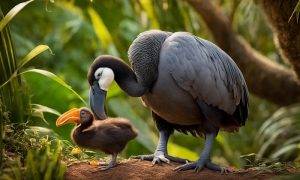
Fruits are believed to have been a significant component of the dodo’s diet, providing essential nutrients and energy for its survival. The island of Mauritius was home to a diverse array of fruit-bearing plants, including palms, ebony trees, and indigenous shrubs, which would have provided ample food sources for the dodo. Fruits such as guavas, mangos, and tambalacoques (dodo trees) are thought to have been particularly favored by the dodo, with its robust beak and strong jaws well-suited for cracking open tough seed pods and fruit husks.
Seed Dispersal: The Dodo’s Ecological Role
As a frugivorous bird, the dodo played a crucial role in dispersing seeds and promoting the regeneration of plant species in the island’s ecosystem. By consuming fruits and excreting seeds in their droppings, dodos helped to spread seeds to new locations, facilitating the growth and dispersal of plant populations. This mutualistic relationship between birds and plants is essential for maintaining the health and diversity of island ecosystems, as it allows plants to colonize new habitats and adapt to changing environmental conditions.
Dietary Adaptations: Insights from Fossil Evidence and Anatomical Studies
Fossil evidence and anatomical studies have provided valuable insights into the dodo’s dietary adaptations and feeding behavior. Examination of dodo bones and beak morphology suggests that the dodo possessed a powerful beak and robust jaw muscles, indicating a diet that included hard-shelled fruits and seeds. Additionally, isotopic analysis of dodo bones has provided clues about the dodo’s foraging habits and dietary preferences, revealing a diet rich in carbon and nitrogen isotopes consistent with a frugivorous lifestyle.
Ecological Extinction: The Impact of Human Activity on the Dodo’s Diet
The extinction of the dodo bird in the late 17th century was primarily driven by human activity, including habitat destruction, hunting, and the introduction of invasive species. As human populations expanded on the island of Mauritius, forests were cleared for agriculture, depriving the dodo of its natural habitat and food sources. Additionally, introduced species such as pigs, rats, and monkeys preyed upon dodo eggs and competed with dodos for food, further exacerbating their decline. The loss of the dodo had profound ecological consequences for Mauritius, leading to the loss of seed dispersal services and disrupting forest dynamics.
Diet of the Dodo Bird
The story of the dodo bird serves as a cautionary tale about the importance of conservation and preserving biodiversity. The dodo’s extinction highlights the vulnerability of island ecosystems to human activities and the need for proactive conservation measures to protect endangered species and their habitats. By learning from the mistakes of the past and taking steps to mitigate the threats facing vulnerable species, we can help ensure that future generations will not witness the loss of iconic species like the dodo.
Related Post:
Deciphering the Ideal Space Requirements for Ducks
Unveiling the Mysterious Egg-Laying Habits of Ducks
Exploring the Essential Role of Duck Grit in Avian Health
In conclusion, the dodo bird’s dietary habits offer valuable insights into its ecological role and the interconnectedness of species within island ecosystems. While much remains to be learned about the dodo’s diet and foraging behavior, scientific research and ecological studies continue to shed light on this fascinating avian species. By preserving the memory of the dodo and studying its ecological legacy, we honor its place in the natural world and reaffirm our commitment to protecting the planet’s biodiversity for generations to come.
