


As the warm weather beckons outdoor adventures, it also heralds the resurgence of pests like ticks, notorious for transmitting diseases to humans and animals alike. While tick-borne illnesses pose a significant threat, nature has bestowed upon us a natural ally in the form of birds that feast on these blood-sucking parasites. In this blog post, we’ll explore the fascinating world of birds that eat ticks, their ecological significance, and their invaluable role in pest control.
Understanding the Tick Threat: Risks and Concerns

- Tick-Borne Diseases: Ticks are vectors for various pathogens, including bacteria, viruses, and parasites, responsible for causing diseases such as Lyme disease, Rocky Mountain spotted fever, and babesiosis. These illnesses can have serious consequences for both humans and animals, ranging from mild symptoms to severe complications if left untreated.
- Global Impact: Ticks are found worldwide, thriving in diverse habitats ranging from forests and grasslands to urban parks and residential areas. Their adaptability and resilience make them a pervasive threat, affecting communities across continents and posing significant challenges for public health and veterinary medicine.
Birds as Natural Pest Controllers: The Role of Avian Predators
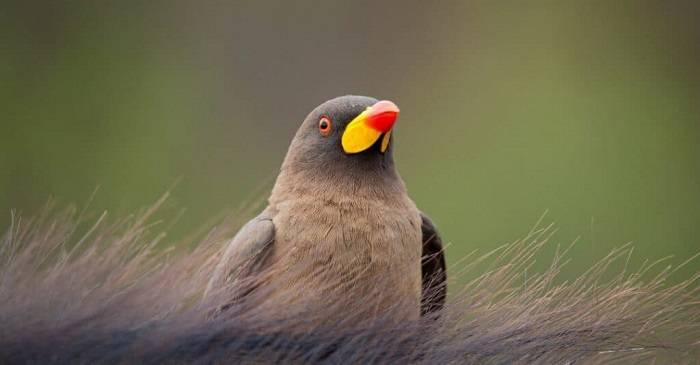
- Tick-Eating Birds: Certain bird species have evolved specialized feeding behaviors and anatomical adaptations that enable them to prey on ticks and other ectoparasites. These avian predators play a crucial role in controlling tick populations, reducing the risk of tick-borne diseases, and maintaining ecosystem balance.
- Ecological Significance: By consuming ticks, birds help regulate tick populations and limit their spread, thereby mitigating the risk of disease transmission to humans and animals. This ecological service provided by tick-eating birds contributes to the overall health and resilience of ecosystems and enhances biodiversity.
Birds That Feast on Ticks: A Closer Look
- Eastern Bluebirds: These colorful songbirds are known for their insectivorous diet, which includes ticks, beetles, and other arthropods. Eastern bluebirds actively forage for ticks in grassy areas and woodlands, making them valuable allies in tick control efforts.
- American Robins: American robins are omnivorous birds that consume a wide range of food items, including insects, fruits, and earthworms. While ticks may not be their primary food source, American robins play a role in tick control by consuming ticks encountered during their foraging activities.
- White-Footed Chickadees: These small, energetic birds are adept at gleaning insects from foliage and tree bark, including ticks and their larvae. White-footed chickadees actively search for ticks in their environment, contributing to the natural suppression of tick populations.
- Wild Turkeys: These large, ground-dwelling birds are opportunistic feeders that consume a variety of food items, including ticks, insects, seeds, and vegetation. Wild turkeys play a role in tick control by foraging for ticks in leaf litter and undergrowth, where ticks often lurk.
Birds That Eat Ticks and Their Role in Pest Control
- Native Plantings: Create bird-friendly habitats by planting native vegetation that provides food, shelter, and nesting sites for tick-eating birds. Native plants support a diverse array of insects, which serve as a food source for birds and contribute to ecosystem health.
- Reduce Chemical Use: Minimize the use of pesticides, herbicides, and fertilizers in your yard and garden to create a safer environment for birds and other wildlife. Chemicals can disrupt natural food chains and harm beneficial insects, including those that prey on ticks.
- Provide Water Sources: Install birdbaths, ponds, or other water features to attract birds and provide them with access to clean water for drinking and bathing. Water sources are essential for maintaining bird populations, especially during hot, dry periods.
- Nesting Boxes: Install nest boxes or birdhouses designed to attract tick-eating birds such as bluebirds, chickadees, and tree swallows. These artificial nesting sites provide additional habitat for birds and encourage them to establish breeding territories in your area.
Related Post:
Unlocking the Mysteries of Duck Egg Laying: How Often Do Ducks Lay Eggs?
When Do Ducks Start Quacking? Unraveling the Quack-tastic Mystery
Exploring the Enigmatic Ancona Duck: A Quirky, Beautiful, and Versatile Breed
Birds that eat ticks play a vital role in mitigating the threat of tick-borne diseases and promoting ecosystem health. By preying on ticks and other pests, these avian predators contribute to the natural suppression of tick populations and help maintain a balance between wildlife and their environment. As stewards of the land, we can support tick-eating birds by creating bird-friendly habitats, reducing chemical use, and promoting conservation efforts that enhance biodiversity and ecological resilience. By harnessing the power of nature’s allies, we can work together to protect public health, safeguard wildlife, and create healthier, more sustainable communities for generations to come.
