


The presence of hawks in your area can pose a significant threat to backyard birds, poultry, and small pets. While these magnificent raptors play a crucial role in maintaining ecological balance, their predatory nature can cause concern for bird enthusiasts and pet owners. Fortunately, there are humane and effective strategies to deter hawks from your property without causing harm to other birds. In this blog post, we’ll explore practical techniques for scaring away hawks while minimizing disruption to other avian visitors.
Understanding Hawk Behavior: Identifying Potential Threats
Species Identification:
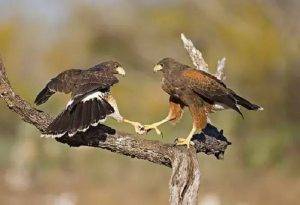
Before implementing deterrent measures, it’s essential to identify the species of hawk in your area. Common backyard hawks include the Cooper’s hawk, Sharp-shinned hawk, and Red-tailed hawk, each with distinct characteristics and hunting behaviors.
Hunting Patterns:
Hawks are opportunistic hunters known for their stealth and agility. They typically prey on small birds, rodents, and other small animals, using ambush tactics and swift aerial maneuvers to catch their prey.
Hawk Deterrent Techniques: Balancing Effectiveness and Humane Practices
Visual Deterrents:
Install visual deterrents such as reflective tape, shiny objects (e.g., CDs, aluminum foil strips), or scare balloons near bird feeders and vulnerable areas. These reflective surfaces mimic the appearance of eyes and movement, creating the illusion of a larger predator presence and deterring hawks.
Auditory Deterrents:
Use auditory deterrents such as wind chimes, bells, or predator calls to create noise and disrupt the peaceful environment for hawks. However, ensure that these sounds do not disturb other birds or wildlife in the vicinity.
Habitat Modification: Creating Safe Zones for Birds
Cover and Shelter:
Provide adequate cover and shelter for small birds by planting dense shrubs, trees, and native vegetation. Dense foliage and natural barriers offer protection from aerial predators and create safe refuges for birds to seek shelter.
Roosting Sites:
Install birdhouses, nesting boxes, or roosting platforms in strategic locations to encourage small birds to roost and seek refuge from hawks. Position these structures near dense vegetation or natural cover to provide additional protection.
Timing and Monitoring: Implementing Deterrents Responsibly
Active Monitoring:
Regularly monitor bird activity in your yard and observe for signs of hawk presence, such as sudden disturbances or alarm calls from small birds. Adjust deterrent strategies accordingly based on observed behavior and effectiveness.
Selective Application:
Implement deterrent measures selectively and only when hawks are actively posing a threat to small birds or pets. Avoid continuous or indiscriminate use of deterrents, as this may desensitize other birds and wildlife to the stimuli.
Natural Predation Strategies: Encouraging Natural Predators
Attracting Larger Predators:
Encourage the presence of larger raptors such as owls or larger hawk species, which may serve as natural deterrents to smaller hawks. Providing suitable habitat and nesting sites for these predators can help establish a balanced ecosystem.
Utilizing Natural Camouflage:
Incorporate natural camouflage elements such as bird-friendly landscaping, brush piles, and natural barriers to conceal small birds from hawk predators. Mimicking natural habitats can help reduce the visibility of potential prey targets.
Seeking Professional Advice: Consulting Wildlife Experts
Local Resources:
Consult local wildlife authorities, birding organizations, or wildlife rehabilitators for guidance on hawk management strategies and local regulations. These experts can provide valuable insights and assistance tailored to your specific situation.
How to Deter Hawks Without Disturbing Other Birds
In cases where hawks pose a persistent threat to small pets or poultry, consider humane trapping and relocation methods under the guidance of trained professionals. Ensure compliance with local laws and regulations regarding wildlife management and relocation practices.
Related Post:
Unraveling the Complex World of Aggressive Male Duck Behavior
Deciphering the Ideal Space Requirements for Ducks
Unveiling the Mysterious Egg-Laying Habits of Ducks
Exploring the Essential Role of Duck Grit in Avian Health
In conclusion, deterring hawks from your property requires a balanced approach that prioritizes both hawk management and the welfare of other avian species. By implementing humane deterrent techniques, modifying habitat to create safe zones for small birds, and seeking guidance from wildlife experts, you can promote coexistence between hawks and backyard birds while contributing to avian conservation efforts. Remember that hawks play a vital role in maintaining healthy ecosystems, and fostering a harmonious relationship with these majestic raptors is key to preserving biodiversity and ensuring the well-being of all wildlife.
