

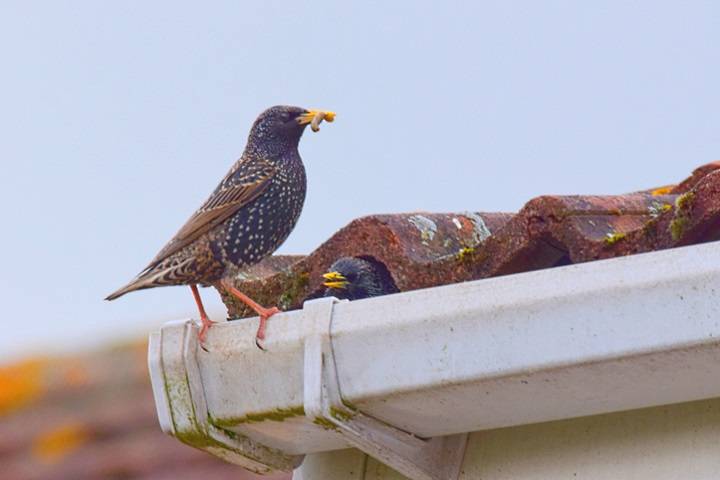
Finding a bird trapped inside a building with high ceilings can be a challenging and delicate situation. Whether it’s a commercial warehouse, industrial facility, or a large residential space, the vast expanse of high ceilings can make it difficult to safely guide the bird to freedom. In this blog post, we’ll explore effective strategies and techniques for safely removing a bird from a building with high ceilings, ensuring both the bird’s welfare and the safety of occupants.
Assessing the Situation: Understanding the Bird’s Behavior
Observation:
Before taking any action, carefully observe the bird’s behavior from a safe distance. Note its location, flight patterns, and any signs of distress or injury. Understanding the bird’s behavior will help you develop a plan for safely guiding it out of the building.
Identifying Entry and Exit Points:
Determine how the bird entered the building and identify potential exit points, such as doors, windows, or large openings. Keep in mind that birds are attracted to sources of light, so windows and doors with natural light may serve as ideal exit routes.
Creating an Exit Strategy: Minimizing Stress and Disturbance
Minimizing Disturbance:
To avoid further distressing the bird, minimize noise, movement, and disturbances in the area surrounding the bird. Close off adjacent rooms or areas to prevent the bird from seeking refuge in hard-to-reach locations.
Blocking Off Hazardous Areas:
If the building contains hazardous materials or machinery, block off access to these areas to prevent the bird from inadvertently flying into danger. Use caution tape, barricades, or temporary barriers to create a safe zone for both the bird and humans.
Guiding the Bird Toward the Exit: Gentle and Non-Invasive Techniques
Utilizing Visual Aids:
Place visual cues near the exit points to attract the bird’s attention and guide it toward the desired direction. Brightly colored objects, such as flags, ribbons, or reflective tape, can serve as effective visual cues to help the bird navigate toward the exit.
Encouraging Flight:
Encourage the bird to take flight by gently waving a soft object, such as a broom or lightweight cloth, in its general direction. Avoid making sudden movements or aggressive gestures, as this may startle or frighten the bird.
Providing Temporary Perches: Offering Safe Landing Spots
Offering Perches:
Place temporary perches or landing spots near the exit points to give the bird a place to rest and gather its bearings before attempting to fly out. Use branches, dowels, or sturdy objects positioned at varying heights to accommodate different bird species.
Patience and Observation:
Be patient and allow the bird to acclimate to its surroundings before attempting to guide it toward the exit. Monitor its behavior closely and wait for the opportune moment to encourage it to fly toward freedom.
Seeking Professional Assistance: When to Call for Help
Contacting Wildlife Rehabilitation Centers:
If the bird appears injured, distressed, or unable to fly, contact local wildlife rehabilitation centers or animal control agencies for assistance. Trained professionals can assess the bird’s condition and provide appropriate care and treatment.
How to Safely Remove a Bird from a Building with High Ceilings
In cases where birds pose a persistent nuisance or health hazard, consult pest control professionals or wildlife management experts for guidance on humane removal methods and long-term prevention strategies.
Related Post:
Unlocking the Mysteries of Duck Egg Laying: How Often Do Ducks Lay Eggs?
When Do Ducks Start Quacking? Unraveling the Quack-tastic Mystery
Exploring the Enigmatic Ancona Duck: A Quirky, Beautiful, and Versatile Breed
Exploring the Fascinating World of Male, Female, and Male Muscovy Ducks
In conclusion, safely removing a bird from a building with high ceilings requires patience, compassion, and careful planning. By understanding the bird’s behavior, creating a safe environment, and employing gentle guiding techniques, you can help facilitate its safe exit without causing undue stress or harm. Remember to prioritize the bird’s welfare and safety at all times, and seek professional assistance if needed. With the right approach and attention to detail, you can successfully guide the bird back to its natural habitat, ensuring a positive outcome for both the bird and occupants of the building.
