


In cities, forests, and rural landscapes alike, the sight of a congregation of crows is a captivating phenomenon that has intrigued and fascinated humans for centuries. These gatherings, known as roosts or murders, evoke curiosity about the motivations and behaviors driving these highly intelligent and social birds. In this exploration, we delve into the multifaceted reasons why crows congregate, uncovering the ecological, social, and cognitive dimensions of this fascinating avian behavior.
The Enigma of Crow Congregations
Ecological Significance:
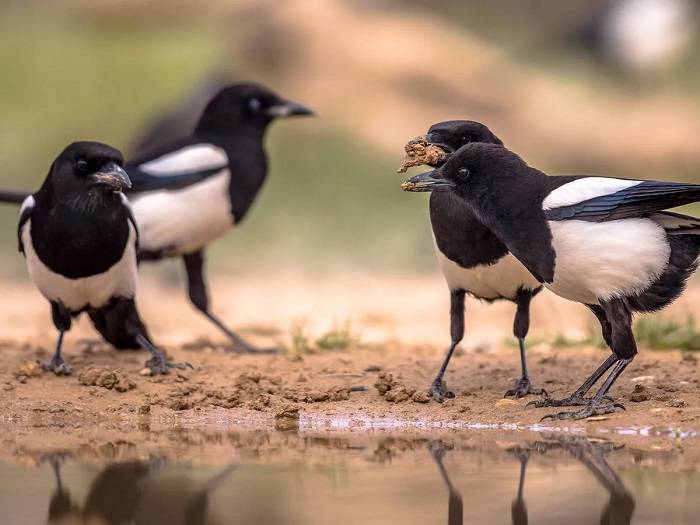
Crows are highly adaptable birds with a wide-ranging habitat tolerance, from urban environments to remote wilderness areas. Crow congregations often occur in locations with abundant food resources, such as agricultural fields, garbage dumps, and coastal areas where they can scavenge for carrion, insects, and other food sources.
Social Dynamics:
Crows are renowned for their complex social structures and intricate communication systems. Congregations provide opportunities for social interaction, mate selection, and cooperative foraging, allowing crows to share information, establish dominance hierarchies, and strengthen social bonds within the group.
Seasonal Patterns and Roosting Behavior
Seasonal Variation:
Crow congregations exhibit seasonal patterns, with fluctuations in size and composition influenced by factors such as breeding seasonality, food availability, and weather conditions. In winter, crows may form large communal roosts to conserve body heat and seek safety in numbers from potential predators.
Roosting Behavior:
Roosting is a communal behavior observed in many bird species, including crows, where individuals gather at a common site to rest, socialize, and engage in pre-roosting activities. Roost sites may vary in size and location, ranging from dense urban areas to secluded woodlands and coastal marshes.
Benefits of Crow Congregations
Resource Sharing:
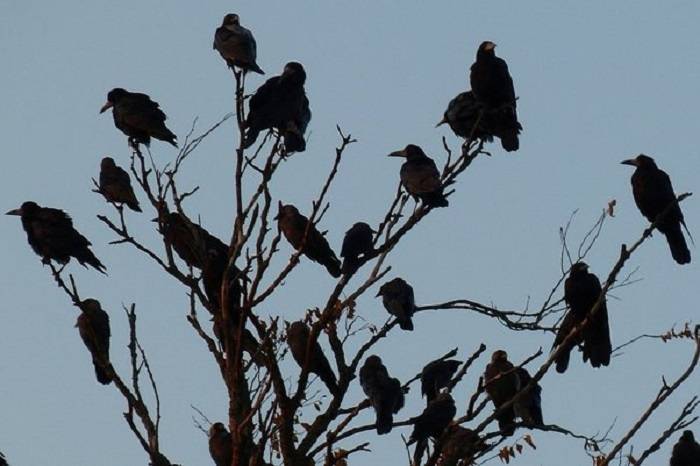
Crow congregations facilitate resource sharing and information exchange among group members. By foraging cooperatively, crows can exploit food patches more efficiently, increasing their chances of locating and securing valuable food resources in their environment.
Predator Defense:
Safety in numbers is a key advantage of crow congregations, as larger groups provide greater protection against potential predators such as hawks, owls, and mammals. Crows employ a variety of anti-predator strategies, including mobbing behavior, alarm calls, and coordinated aerial displays to deter threats and defend their group.
Social Bonding and Communication
Vocalization and Signaling:
Vocalization plays a central role in crow communication, with a diverse repertoire of calls and vocalizations used to convey information about food sources, territorial boundaries, and social status. Congregations provide opportunities for vocal interaction and signaling, allowing crows to coordinate their activities and maintain group cohesion.
Mate Selection and Courtship Displays:
Crow congregations play a crucial role in mate selection and courtship rituals, particularly during the breeding season. Male crows may engage in elaborate displays of flight, vocalization, and plumage to attract potential mates and establish breeding territories within the group.
Cognitive Abilities and Problem-Solving
Tool Use and Innovation:
Crows are renowned for their exceptional cognitive abilities and problem-solving skills. Congregations provide opportunities for social learning and innovation, allowing crows to observe and learn from the behavior of their peers and develop novel strategies for obtaining food and navigating their environment.
Cultural Transmission:
Cultural transmission of knowledge and behaviors is a hallmark of crow society, with information passed down through generations via social learning and imitation. Roosting sites serve as hubs of cultural exchange, where young crows can observe and learn from experienced individuals, acquiring essential skills and adaptive behaviors.
Human Interactions and Urban Adaptation
Urban Ecology:
Crows have demonstrated remarkable adaptability to urban environments, where they have thrived alongside humans and exploited anthropogenic food sources such as garbage, compost, and agricultural crops. Urban areas provide abundant resources and shelter, making them ideal locations for crow congregations to form and persist.
Intriguing Behavior of Crow Congregations
Throughout history, crows have captured the imagination of humans and inspired a rich tapestry of folklore, mythology, and symbolism. While some cultures view crows as symbols of wisdom, others associate them with superstitions and omens of death. Human interactions with crow congregations can shape perceptions and attitudes toward these intelligent birds.
Related Post:
Unlocking the Mysteries of Duck Egg Laying: How Often Do Ducks Lay Eggs?
When Do Ducks Start Quacking? Unraveling the Quack-tastic Mystery
Exploring the Enigmatic Ancona Duck: A Quirky, Beautiful, and Versatile Breed
Exploring the Fascinating World of Male, Female, and Male Muscovy Ducks
In conclusion, the gathering of crows represents a fascinating convergence of ecological, social, and cognitive factors, revealing the complexity and adaptability of these remarkable birds. From resource sharing and predator defense to social bonding and cultural transmission, crow congregations serve as dynamic hubs of avian activity, where individuals come together to thrive and survive in their ever-changing environment. As we observe the enigmatic behavior of crow congregations, we gain insight into the intricate web of interactions that shape avian societies and deepen our appreciation for the natural world and its myriad wonders.
