

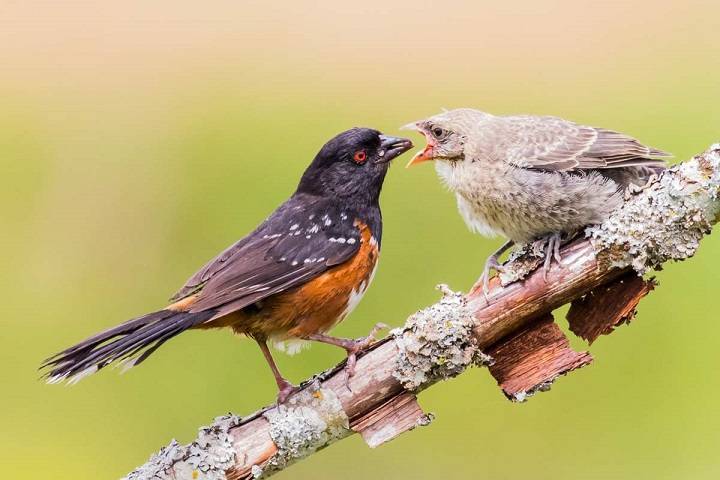
The sight of a nest full of chirping baby birds is a quintessential symbol of spring and new beginnings. However, as these young hatchlings grow and develop, they eventually reach a pivotal moment in their lives: the decision to leave the nest and venture into the world on their own. In this exploration, we delve into the fascinating process of fledging, examining the factors influencing the timeframe for baby birds to leave the nest and embark on their journey of independence.
The Fledging Process: A Developmental Milestone
Hatching and Growth:
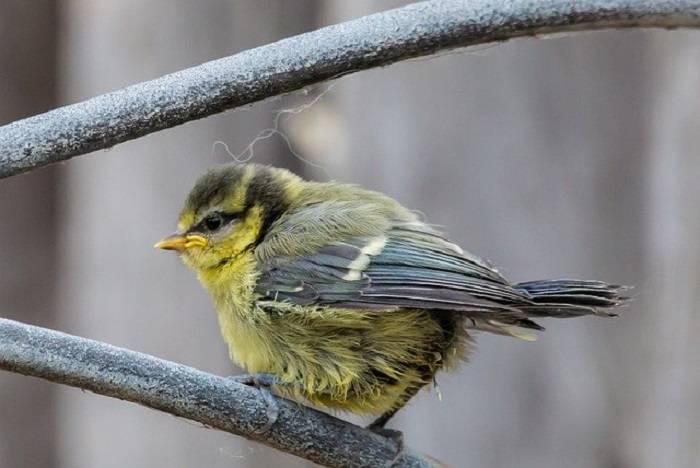
Baby birds, or nestlings, begin their lives as fragile hatchlings, entirely dependent on their parents for warmth, food, and protection. Over the course of several days to weeks, they undergo rapid growth and development, gradually acquiring feathers, strength, and mobility.
Nestling Stage:
During the nestling stage, which typically lasts one to three weeks depending on the species, young birds remain in the nest, receiving constant care and feeding from their parents. Nestlings rely on their parents to regulate their body temperature, provide nourishment, and defend the nest against predators.
Factors Influencing Fledging Timeframe
Species Variation:
The timeframe for fledging varies significantly among bird species, with some species fledging as early as seven to ten days after hatching, while others may remain in the nest for several weeks. Factors such as the size of the bird, its growth rate, and its developmental needs influence the duration of the nestling stage.
Parental Care:
The level of parental care provided by adult birds plays a crucial role in determining when offspring fledge. Species with altricial young, which are born in a relatively undeveloped state and require extensive parental care, tend to remain in the nest for a longer period compared to species with precocial young, which are more independent at birth.
Signs of Readiness for Fledging
Feather Development:
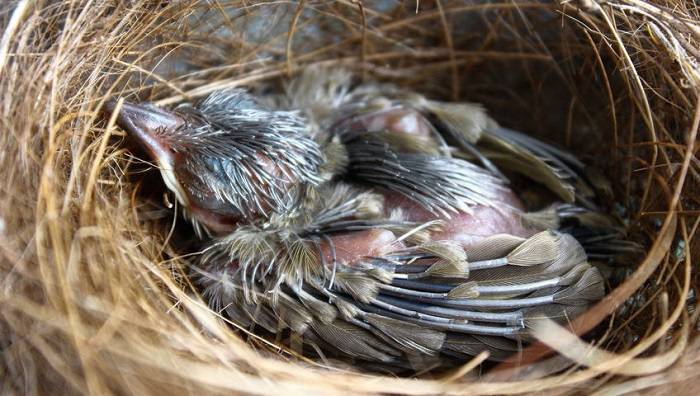
One of the key indicators that nestlings are nearing the fledging stage is the development of their flight feathers. As young birds grow, their downy plumage is gradually replaced by adult feathers, allowing them to achieve the aerodynamic profile necessary for flight.
Increased Activity:
Nestlings preparing to fledge often exhibit increased activity and exploration within the nest, flapping their wings and testing their strength in preparation for flight. This behavior, known as wing exercising, helps strengthen the flight muscles and build coordination.
Challenges and Dangers of Fledging
Predation Risk:
Fledging represents a perilous time for young birds, as they are highly vulnerable to predation by terrestrial predators, aerial predators, and even other birds. Leaving the safety of the nest exposes fledglings to a host of dangers, requiring them to rely on instinct and learned behaviors to survive.
Environmental Hazards:
In addition to predation, fledglings must contend with a variety of environmental hazards, including adverse weather conditions, collisions with structures or vehicles, and encounters with domestic animals. These challenges underscore the importance of selecting an appropriate location for fledging and providing adequate habitat for young birds.
Gradual Independence and Post-Fledging Care
Learning to Fly:
Fledglings typically undergo a period of trial and error as they learn to fly and navigate their surroundings. Initially, they may make short flights from the nest to nearby branches or perches, gradually building confidence and skill with each attempt.
Timeframe for Baby Birds Leaving the Nest
Even after fledging, young birds continue to receive guidance and support from their parents, who provide food, protection, and important life lessons. Parental care may extend for several weeks to months, depending on the species and the availability of resources.
Related Post:
Unlocking the Mystery of When Ducks Lay Eggs
Unveiling the Fascinating Differences Between Male and Female Muscovy Ducks
At What Age Do Ducks Start Laying Eggs? (The Truth)
Explore the Grace and Elegance of American Pekin Ducks
In conclusion, the process of fledging represents a pivotal milestone in the lives of baby birds, marking their transition from helpless nestlings to capable, independent individuals. The timeframe for fledging varies among species and is influenced by factors such as species characteristics, parental care, and environmental conditions. Despite the inherent risks and challenges, fledglings embark on their journey of independence with resilience, adaptability, and the guidance of their watchful parents. As we observe the marvel of fledging in the avian world, we gain a deeper appreciation for the intricacies of nature’s design and the enduring spirit of survival ingrained in every young bird’s quest for flight.
