

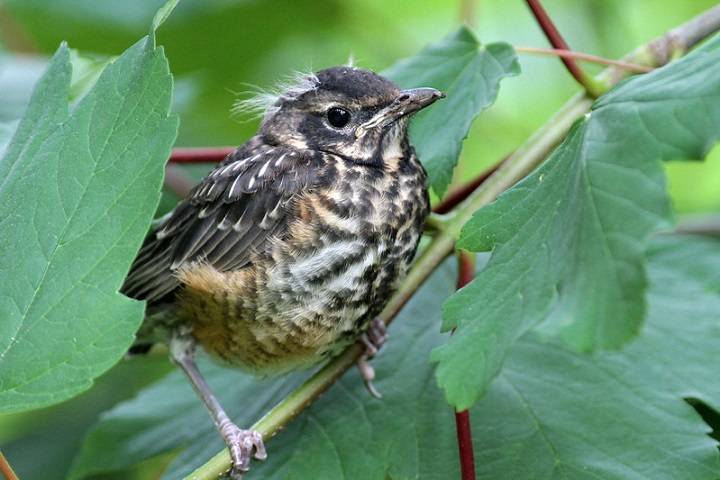
The arrival of spring brings with it a chorus of birdsong and the bustling activity of nesting birds. Among the most iconic of these springtime residents is the American robin, known for its vibrant plumage and melodious song. As we observe these feathered families in our gardens and woodlands, one question often arises: When do robins leave the nest? In this exploration, we embark on a journey into the fascinating world of robin nesting behavior, unraveling the stages of development and the pivotal moment when young robins take flight from the safety of their nests.
The Nesting Cycle of Robins
Nest Construction:

The nesting season for American robins typically begins in early spring, with pairs of robins engaging in courtship displays and territorial behavior. Once a suitable mate is selected, the female robin begins the task of constructing the nest, often using a combination of mud, grass, twigs, and other materials to create a sturdy cup-shaped structure in a sheltered location such as a tree branch, ledge, or building eave.
Egg Laying:
After the nest is completed, the female robin lays a clutch of eggs, typically numbering three to five eggs, although clutch size can vary depending on factors such as habitat quality and food availability. The eggs are incubated primarily by the female for a period of approximately 12 to 14 days, during which time she remains dedicated to the task of keeping them warm and protected.
Hatching and Nestling Stage:
Once the eggs hatch, the nestlings emerge as helpless, pink-skinned creatures with closed eyes and sparse downy feathers. Both parents take on the responsibility of feeding and caring for the young, bringing a steady supply of insects, worms, and other prey items to the nest to sustain the growing appetites of their hungry brood. The nestlings grow rapidly during this stage, developing feathers and gaining strength with each passing day.
Fledging: The Moment of Independence
Fledging Preparations:
As the nestlings near the end of the nestling stage, their wing feathers become fully developed, and they begin to exercise their wings in preparation for their first flight. Meanwhile, the parents continue to provide food and encouragement, coaxing the young robins to venture out of the nest and explore the world beyond.
Fledging Day:
Fledging is the term used to describe the moment when young birds leave the nest and take their first flight. For robins, fledging typically occurs when the nestlings are around 13 to 15 days old, although this timing can vary depending on factors such as weather conditions and food availability. On fledging day, the young robins gather near the edge of the nest, fluttering their wings and vocalizing eagerly as they prepare to take the leap into the unknown.
The First Flight:
With a final burst of courage, the young robins launch themselves from the nest, tentatively flapping their wings as they navigate the air for the first time. The parents watch attentively from nearby perches, offering encouragement and guidance as their offspring embark on this momentous journey. While some fledglings may take to the skies with ease, others may require a few clumsy attempts before achieving flight proficiency.
Post-Fledging Period
Parental Care:
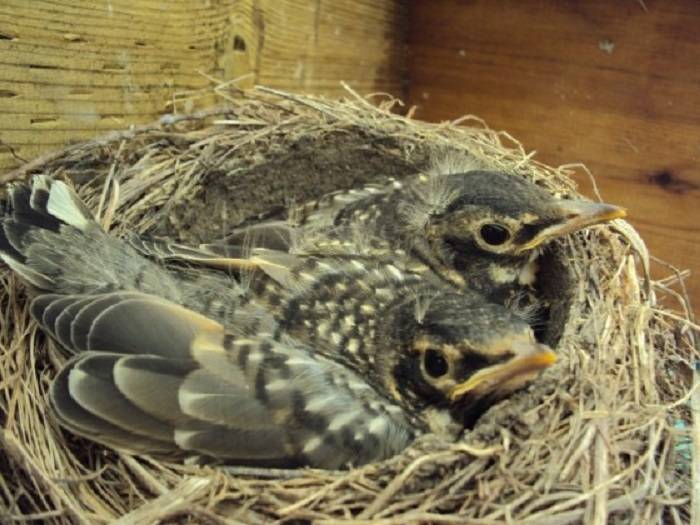
Following fledging, the parents continue to provide care and guidance to their young as they navigate the challenges of life outside the nest. The fledglings remain in close proximity to the nest site, relying on their parents for food, protection, and essential life skills. The parents may lead their offspring to suitable foraging areas and teach them how to identify and capture food independently.
Juvenile Dispersal:
As the fledglings mature and gain confidence in their flying abilities, they gradually disperse from the immediate vicinity of the nest site, venturing out to explore new territories and establish their own territories. Juvenile robins may join mixed-species flocks of other young birds, where they can learn from their peers and gain valuable social experience.
Factors Influencing Fledging Success
Predation Risk:
Fledglings are particularly vulnerable to predation from a variety of predators, including birds of prey, snakes, and mammals. The parents employ various strategies to minimize predation risk, such as leading the fledglings to safe foraging areas and remaining vigilant for potential threats.
Weather Conditions:
Weather conditions can also influence the timing and success of fledging. Inclement weather, such as heavy rain or strong winds, may delay fledging or increase the risk of injury or mortality for young birds attempting their first flight. The parents may adjust their behavior in response to adverse weather, providing additional protection and support to their offspring.
Human Interactions and Conservation
Human Observations:
Human observers play an important role in monitoring robin nesting behavior and contributing valuable data to scientific research and conservation efforts. Citizen science projects, such as nest monitoring programs, allow volunteers to observe and record the nesting activities of robins and other bird species, providing valuable insights into their reproductive success and population trends.
When Robins Leave the Nest
Despite their adaptability and widespread distribution, American robins face a range of conservation challenges, including habitat loss, pesticide exposure, and climate change. Conservation efforts aimed at protecting and restoring suitable nesting habitat, reducing pesticide use, and mitigating the impacts of climate change are essential for ensuring the long-term survival of robin populations and other avian species.
Related Post:
Discovering the Friendliest Duck Breed: Feathers and Companionship
Exploring the Enchanting World of Call Ducks: Miniature Marvels
Exploring the Fascinating World of Frigate Birds: Masters of the Skies
Tackling Tick Troubles: Can Hydrogen Peroxide Kill Ticks on Dogs?
In conclusion, the transition from nestling to fledgling marks a pivotal moment in the life of a young robin, symbolizing the beginning of their journey toward independence and adulthood. As we marvel at the sight of fledgling robins taking flight for the first time, we are reminded of the resilience and wonder of nature, and the interconnectedness of all living beings. By understanding the nesting behavior and fledging process of robins, we gain a deeper appreciation for the intricate web of life that surrounds us and the importance of conservation efforts to protect and preserve our avian companions for future generations to enjoy.
