


In the serene oasis of a garden, where the colors of flowers dance in the breeze and the fragrance of nature fills the air, there exists a vibrant tapestry of life. Among the most enchanting inhabitants of this tranquil haven are garden birds, whose melodies and vibrant plumage bring joy and harmony to outdoor spaces. From the cheerful chirping of sparrows to the majestic flight of robins, garden birds enrich our lives with their presence and remind us of the wonders of the natural world. In this comprehensive guide, we’ll explore the fascinating world of garden birds, from their diverse species and habitat preferences to tips for attracting and supporting them in your own backyard. Whether you’re an avid birdwatcher or simply wish to enhance your garden with the beauty of nature, join us on a journey to discover the enchanting realm of garden birds.
Embracing Diversity: Common Garden Bird Species

Robins (Erithacus rubecula):
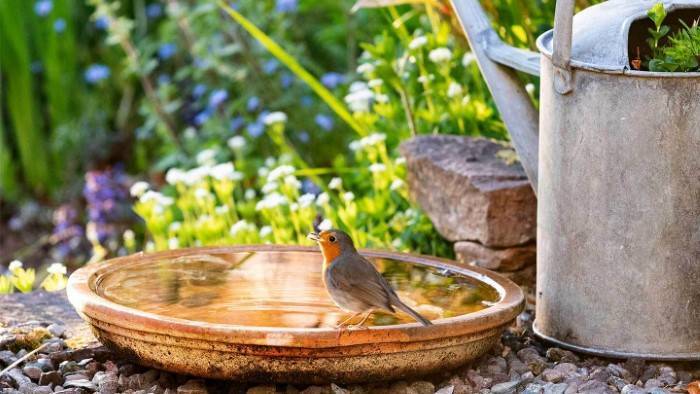
With their distinctive red breast and melodious song, robins are beloved garden visitors known for their boldness and curiosity. These charming birds can be found throughout the UK, nesting in shrubs, hedges, and even garden sheds.
Blue Tits (Cyanistes caeruleus):
Blue tits, with their vibrant blue and yellow plumage, are a delight to behold in any garden. These energetic birds are frequent visitors to bird feeders and nesting boxes, where they raise their young in spring and summer.
Blackbirds (Turdus merula):
Blackbirds, with their glossy black plumage and rich, melodious song, are a common sight in gardens across the UK. These versatile birds forage for insects, berries, and seeds in lawns, flowerbeds, and compost piles.
Sparrows (Passer domesticus):
House sparrows, with their brown and gray plumage and cheerful chirping, are ubiquitous garden residents known for their sociable nature and communal roosting habits. Providing nest boxes and food sources can help support declining sparrow populations.
Goldfinches (Carduelis carduelis):
Goldfinches, with their striking red faces and yellow and black wings, are a joy to behold as they flit gracefully among garden flowers. These finches feed on seeds and are attracted to niger seed feeders and native wildflowers.
Creating a Bird-Friendly Garden Habitat
Planting Native Species:
Choose a variety of native trees, shrubs, and flowers to provide food, shelter, and nesting sites for garden birds. Plants such as hawthorn, ivy, and buddleia are particularly attractive to birds and support a diverse array of wildlife.
Providing Water Sources:
Install a bird bath, shallow pond, or water feature to provide garden birds with a source of fresh water for drinking and bathing. Keep the water clean and refreshed regularly to attract a variety of bird species.
Installing Nesting Boxes:
Place nest boxes in your garden to provide sheltered nesting sites for cavity-nesting birds such as blue tits, robins, and sparrows. Position the boxes in quiet, secluded areas away from human disturbance and predators.
Offering Food and Feeders:
Set up bird feeders stocked with a variety of seeds, nuts, and suet treats to attract garden birds throughout the year. Sunflower seeds, nyjer seed, peanuts, and mealworms are popular choices that cater to different bird species’ dietary preferences.
Understanding Bird Behavior and Communication
Territorial Displays:
Garden birds may engage in territorial behavior, such as singing, chasing, and posturing, to establish and defend their territory from intruders. Understanding these behaviors can help you create a garden environment that promotes peaceful coexistence among birds.
Courtship and Mating Rituals:
During the breeding season, male birds may perform elaborate courtship displays, singing songs and showing off their plumage to attract mates. Observing these rituals can provide insights into the complex social dynamics of garden bird populations.
Vocalizations and Calls:
Garden birds use a variety of vocalizations and calls to communicate with one another, signaling danger, attracting mates, and maintaining social bonds. Learning to recognize these sounds can enhance your birdwatching experience and deepen your connection to the natural world.
Garden Birds
Citizen Science and Conservation Efforts
Birdwatching Surveys:
Participate in citizen science projects such as the RSPB’s Big Garden Birdwatch to contribute valuable data on garden bird populations and trends. By recording bird sightings in your garden, you can help scientists monitor changes in bird populations and inform conservation efforts.
Habitat Restoration:
Get involved in local habitat restoration projects aimed at creating and maintaining bird-friendly environments in urban and suburban areas. Planting native vegetation, installing nest boxes, and reducing pesticide use can all contribute to creating healthier habitats for garden birds.
Related Post:
Exploring the Fascinating World of Male, Female, and Male Muscovy Ducks
Unveiling the Spectrum of Colored Duck Eggs: Nature’s Palette of Surprises
Unlocking the Secrets of Duck Hatching: From Egg to Duckling
Garden birds bring beauty, song, and vitality to our outdoor spaces, enriching our lives with their presence and reminding us of the interconnectedness of all living things. By cultivating a bird-friendly garden habitat, we can create a haven for garden birds to thrive, providing them with essential resources for nesting, foraging, and raising their young. Whether you’re planting native flowers, installing bird feeders, or simply enjoying the sight and sound of birds in your garden, every effort you make contributes to the well-being of these beloved avian companions. So, let us continue to cherish and protect garden birds, ensuring that future generations can delight in their splendor and grace for years to come.
