


Seagulls, with their graceful flight and distinctive calls, are an iconic presence along coastlines and bodies of water worldwide. These versatile birds are known for their adaptability to various habitats, from bustling urban environments to remote coastal cliffs. One of the most fascinating aspects of seagull behavior is their nesting habits, which play a crucial role in their reproductive success and population dynamics. In this comprehensive guide, we delve into the intricacies of seagull nesting behavior, exploring how long seagulls nest for, the factors that influence nesting duration, and the significance of this behavior in the life cycle of these coastal avians.
Anatomy of a Seagull Nest

Nest Construction:
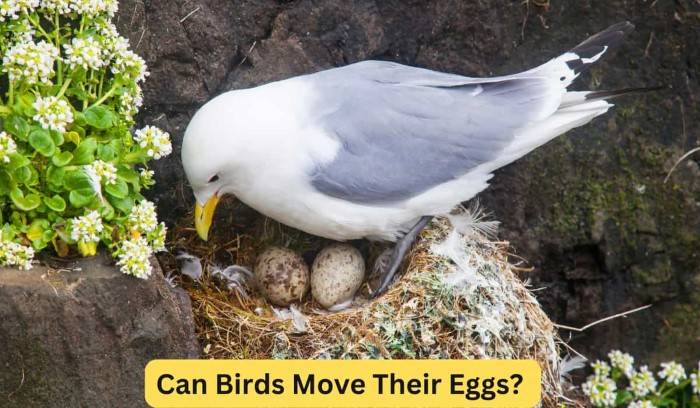
Seagulls typically build their nests on the ground, although some species may nest on rocky cliffs or man-made structures such as rooftops or piers. The nest is constructed from a variety of materials, including twigs, grasses, seaweed, and debris scavenged from the surrounding environment.
Nesting Sites:
Seagulls are opportunistic nesters and will choose nesting sites based on factors such as accessibility, safety from predators, and proximity to food sources. Common nesting sites include sandy beaches, rocky outcrops, dunes, and grassy coastal habitats.
Seagull Nesting Seasons
Breeding Season:
Seagulls typically breed during the spring and summer months, although the timing can vary depending on the species and geographic location. Breeding pairs engage in courtship displays, vocalizations, and territorial behaviors as they prepare to mate and raise offspring.
Incubation Period:
Once the eggs are laid, both male and female seagulls take turns incubating them to keep them warm and protected from the elements. The length of the incubation period varies depending on the species but generally lasts between 20 to 30 days.
Chick Rearing:
After the eggs hatch, the parent seagulls care for their chicks, feeding them regurgitated food and providing protection from predators. The duration of chick rearing varies depending on the species but typically lasts several weeks to a few months until the chicks fledge and become independent.
Factors Influencing Nesting Duration
Environmental Conditions:
Seagull nesting duration can be influenced by environmental factors such as weather conditions, food availability, and habitat quality. Harsh weather or food shortages may result in shortened nesting periods or nesting failures, while favorable conditions can prolong nesting duration.
Predation Risk:
The presence of predators such as birds of prey, mammals, or other seagulls can impact nesting duration by influencing nesting site selection and parental behavior. Seagulls may abandon nests or shorten nesting duration in response to heightened predation risk.
Human Disturbance:
Human activities and disturbances, such as coastal development, recreational activities, and habitat destruction, can disrupt seagull nesting behavior and lead to nesting failures. Conservation efforts aimed at minimizing human disturbance are essential for protecting seagull nesting habitats.
Seagull Nesting Strategies
Colonial Nesting:
Many seagull species exhibit colonial nesting behavior, gathering in large groups or colonies to breed and raise their young. Colonial nesting provides advantages such as increased protection from predators, cooperative defense, and information sharing about food sources.
Nest Site Fidelity:
Seagulls often exhibit nest site fidelity, returning to the same nesting sites year after year to breed. This behavior allows them to capitalize on successful nesting locations and maximize reproductive success over multiple breeding seasons.
How Long Do Seagulls Nest For
Conservation Challenges and Management Strategies
Habitat Protection:
Preserving and protecting seagull nesting habitats is essential for ensuring the long-term survival of these coastal birds. Conservation efforts should focus on minimizing habitat destruction, reducing human disturbance, and mitigating the impacts of climate change on nesting habitats.
Predator Management:
Managing predator populations, such as invasive species or introduced predators, can help reduce predation pressure on seagull nests and improve nesting success rates. Non-lethal methods such as habitat modification or predator deterrents may be employed to protect nesting colonies.
Related Post:
A Symphony of Beauty: Exploring the World of Beautiful Birds
Birds of a Different Feather: Unveiling the Fascinating World of Weird Birds
The Enigmatic Beauty of Ducks with Red Faces
The nesting behavior of seagulls offers a fascinating glimpse into the intricate web of interactions between these coastal birds and their environment. From the construction of nests and incubation of eggs to the rearing of chicks and fledging of young, seagull nesting is a critical phase in their life cycle that shapes population dynamics and reproductive success. By understanding the factors that influence nesting duration and the challenges they face, we can work towards conservation strategies that safeguard seagull nesting habitats and ensure the continued survival of these iconic avian species along our coastlines. Whether nesting on windswept cliffs or sandy beaches, seagulls remind us of the beauty and resilience of coastal ecosystems and the importance of protecting them for future generations to enjoy.
