

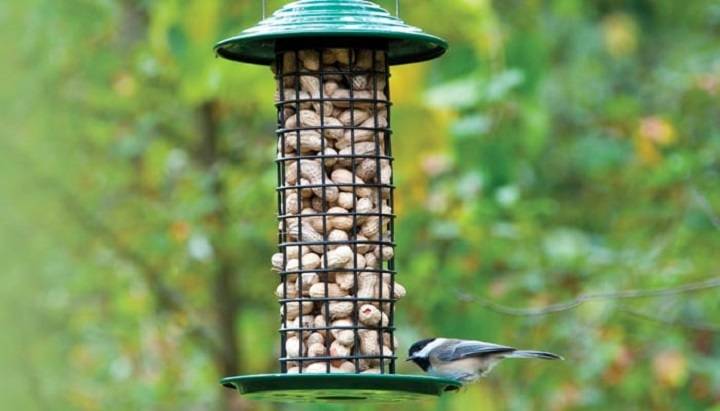
Peanut feeders are a popular and effective way to attract a diverse array of bird species to your garden or outdoor space. These specialized feeders provide birds with easy access to nutrient-rich peanuts, offering essential fats, proteins, and energy to help them thrive throughout the year. In this comprehensive guide, we’ll explore the benefits of peanut feeders, the types of birds they attract, how to use them effectively, and tips for creating a bird-friendly environment in your backyard.
Understanding Peanut Feeders
Overview:
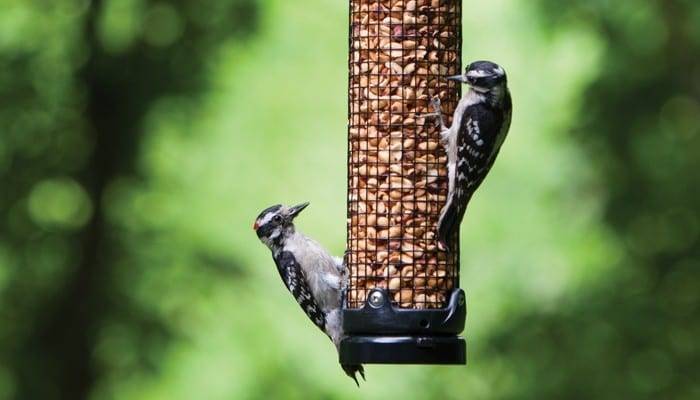
- Peanut feeders are designed to hold whole or shelled peanuts, providing birds with a reliable source of high-energy food. These feeders come in various styles, including mesh tubes, wire cages, and hanging platforms, allowing birds to access peanuts while preventing waste and spillage.
Types of Feeders:
- Peanut feeders vary in design and functionality, catering to different bird species and feeding preferences. Mesh tube feeders are ideal for clinging birds such as tits and finches, while wire cage feeders protect peanuts from larger birds and squirrels.
Benefits for Birds
High Nutritional Value:
- Peanuts are rich in fats, proteins, and essential nutrients, making them an excellent food source for birds, especially during the winter months when natural food supplies are scarce. Birds rely on high-energy foods like peanuts to maintain their body temperature and fuel their daily activities.
Versatility:
- Peanut feeders attract a wide variety of bird species, including blue tits, great tits, nuthatches, woodpeckers, and sparrows. Their versatility makes them suitable for use in gardens, woodlands, parks, and urban areas, providing essential nutrition for both resident and migratory birds.
Types of Birds Attracted
Blue Tits and Great Tits:
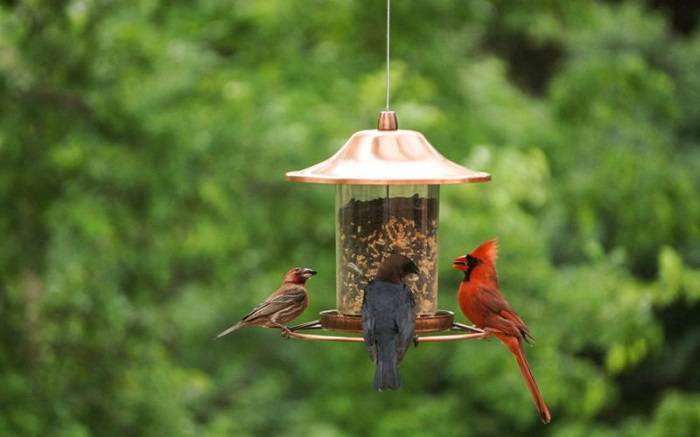
- Blue tits and great tits are frequent visitors to peanut feeders, attracted by the abundance of high-energy peanuts. These small and agile birds readily consume peanuts, using them to supplement their diet and support breeding activities.
Woodpeckers:
- Woodpeckers are also attracted to peanut feeders, using their strong beaks to extract peanuts from mesh tubes or wire cages. These striking birds play an important role in ecosystems by foraging for insects and larvae in trees and dead wood.
How to Use Peanut Feeders Effectively
Placement:
- Position peanut feeders in a quiet and sheltered location, away from potential predators such as cats and squirrels. Hang them from trees, hooks, or bird feeding stations at varying heights to accommodate different bird species.
Maintenance:
- Regularly clean and refill peanut feeders to prevent the buildup of mold, bacteria, and contaminants. Replace old or spoiled peanuts with fresh ones to ensure birds have access to high-quality food.
Peanut Feeder For Birds
Natural Shelter:
- Plant native shrubs, trees, and flowers in your garden to provide natural shelter, nesting sites, and foraging opportunities for birds. Native vegetation attracts insects and other invertebrates, which are important food sources for many bird species.
Water Sources:
- Install a bird bath or shallow water feature to provide birds with a source of clean, fresh water for drinking and bathing. Keep the water level consistent and change it regularly to ensure hygiene and prevent disease transmission.
Related Post:
The Mysterious Potoo Birds: Dangerous Predators or Harmless Night Owls?
How Often Do Birds Poop? Unveiling the Mystery of Avian Excretions
Exploring the Dazzling Beauty of the Golden Pheasant
Peanut feeders are a valuable tool for supporting bird health and diversity in gardens and outdoor spaces. By providing birds with a reliable source of high-energy peanuts, these feeders attract a wide range of species and contribute to the overall well-being of local bird populations. Whether you’re a seasoned bird enthusiast or a novice gardener, incorporating peanut feeders into your outdoor space is a simple yet effective way to connect with nature, promote biodiversity, and enjoy the beauty of birds throughout the year. With proper placement, maintenance, and habitat enhancements, you can create a welcoming environment for feathered visitors and foster a deeper appreciation for the wonders of the avian world.
