

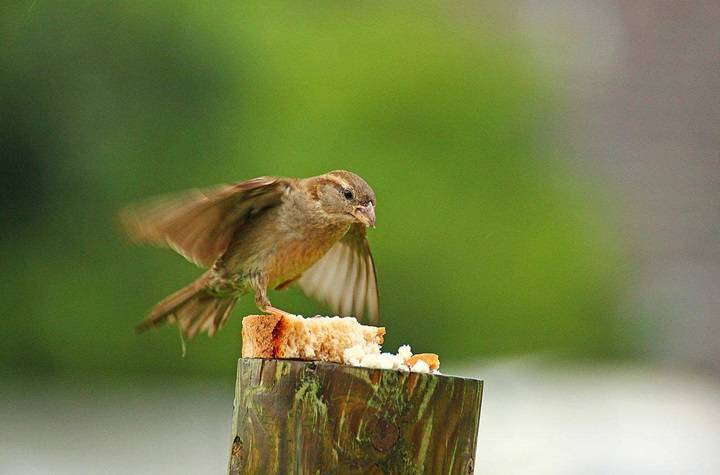
Bird feeding has been a beloved pastime for generations, with enthusiasts delighting in attracting feathered friends to their yards and gardens. Among the various foods offered to birds, bread has long been a popular choice due to its accessibility and affordability. However, the question remains: Can birds eat bread safely? In this comprehensive article, we will explore the impact of bread on bird diets, debunk common myths surrounding this topic, and unveil the truths behind feeding bread to birds.
Understanding Bird Diets
Birds are incredibly diverse creatures, with different species exhibiting unique dietary preferences and requirements. While some birds are primarily seed-eaters, others may consume insects, fruits, nectar, or even small mammals. Understanding the natural diet of birds is crucial for providing them with appropriate nutrition.
The Appeal of Bread for Birds

Bread holds a special appeal for both humans and birds alike. Its carbohydrate-rich composition provides a quick source of energy, making it an attractive food option for birds seeking to refuel during periods of high activity. Additionally, bread is readily available in urban environments, where human settlements often overlap with bird habitats.
Common Myths Surrounding Bread and Birds
Despite its widespread popularity as a bird food, bread has garnered its fair share of controversy and misconceptions. Let’s debunk some of the most common myths surrounding the feeding of bread to birds:
Myth 1: Bread is Nutritious for Birds
One of the prevailing myths is that bread provides essential nutrients for birds. While bread does contain carbohydrates, it lacks many of the essential vitamins, minerals, and proteins necessary for a balanced avian diet. Feeding bread to birds exclusively can lead to nutritional deficiencies and health problems.
Myth 2: Birds Can Digest Bread Easily
Contrary to popular belief, the digestive systems of birds are not well-equipped to process bread efficiently. Bread is often high in processed grains and additives, making it difficult for birds to digest. Consumption of large quantities of bread can lead to gastrointestinal issues and malnutrition in birds.
Myth 3: Feeding Bread Helps Birds Survive
Some people believe that feeding bread to birds helps them survive, especially in urban environments where natural food sources may be scarce. While bread may temporarily alleviate hunger pangs, it does not provide the essential nutrients birds need for long-term survival. Relying on bread as a primary food source can compromise the health and well-being of bird populations.
The Risks of Feeding Bread to Birds

Feeding bread to birds poses several risks, both to individual birds and to the broader ecosystem:
Malnutrition
As mentioned earlier, bread lacks the essential nutrients required for a balanced avian diet. Birds that consume large quantities of bread may suffer from malnutrition, leading to weakened immune systems, stunted growth, and reproductive issues.
Overweight and Obesity
Bread is calorie-dense, and excessive consumption can lead to weight gain and obesity in birds. Overweight birds are more susceptible to health problems such as heart disease, joint issues, and diabetes.
Environmental Pollution
Uneaten bread can accumulate in water bodies, leading to water pollution and algal blooms. Rotting bread can also attract pests such as rodents and insects, further disrupting the ecosystem.
Alternative Foods for Birds
Fortunately, there are plenty of nutritious alternatives to bread that can attract birds to your backyard:
Seeds and Nuts
Offering a variety of seeds and nuts is a great way to attract seed-eating birds such as finches, sparrows, and chickadees. Opt for high-quality birdseed mixes that contain a diverse range of seeds, grains, and nuts.
Fresh Fruits
Many birds enjoy fresh fruits such as berries, apples, and bananas. Chop up fruits into small pieces and place them in bird feeders or scattered on feeding platforms to attract fruit-loving species like robins and orioles.
Insects and Mealworms
Insect-eating birds such as bluebirds, warblers, and wrens will appreciate a supply of live insects or mealworms. You can purchase dried mealworms or cultivate your own insect colonies for a sustainable food source.
In conclusion, while bread may seem like a convenient option for feeding birds, it is not the healthiest choice for their diets. Feeding bread to birds can lead to nutritional deficiencies, obesity, and environmental pollution. Instead, opt for nutritious alternatives such as seeds, fruits, and insects to support the health and well-being of your feathered visitors. By understanding the dietary needs of birds and providing them with appropriate food options, you can enjoy the beauty of nature while promoting the welfare of our avian companions.
The Importance of Providing Nutritious Foods for Birds
In recent years, there has been a growing awareness of the importance of providing nutritious foods for birds. Just like humans, birds require a balanced diet to maintain their health and vitality. While bread may offer a quick source of energy, it lacks the essential nutrients that birds need to thrive. By offering a diverse range of foods that mimic their natural diet, we can help ensure that birds receive the nutrients they need to flourish.
Understanding Bird Feeding Behavior
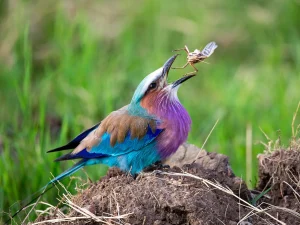
To effectively attract birds to your backyard, it’s essential to understand their feeding behavior and dietary preferences. Different bird species have evolved to feed on specific types of foods, depending on factors such as their beak shape, body size, and habitat. For example, seed-eating birds like sparrows and finches have specialized beaks for cracking open seeds, while insect-eating birds such as robins and bluebirds have slender, pointed beaks for capturing insects in flight.
By observing the types of birds present in your area and their feeding habits, you can tailor your bird feeding strategy to meet their nutritional needs. Providing a variety of foods will attract a diverse range of bird species, enriching your birdwatching experience and supporting local biodiversity.
The Role of Bird Feeders in Attracting Birds
Bird feeders play a crucial role in attracting birds to your backyard and providing them with supplemental food sources. There are many types of bird feeders available, including platform feeders, tube feeders, and suet feeders, each designed to accommodate different types of foods and bird species.
Platform feeders are ideal for offering a variety of foods, such as seeds, nuts, and fruits, and can attract a wide range of bird species, including ground-feeding birds like sparrows and juncos. Tube feeders are designed to dispense small seeds like sunflower seeds and thistle, appealing to finches, chickadees, and titmice. Suet feeders are equipped with wire cages to hold blocks of suet, a high-energy food made from animal fat, which is favored by woodpeckers, nuthatches, and chickadees.
By strategically placing bird feeders throughout your yard and offering a diverse selection of foods, you can create an inviting habitat for birds and enjoy close-up views of these fascinating creatures.
Educating the Public about Bird Feeding Practices
As bird enthusiasts, we have a responsibility to educate the public about responsible bird feeding practices and the importance of providing nutritious foods for birds. Many people may not be aware of the potential risks associated with feeding bread to birds or the benefits of offering alternative foods.
Educational outreach efforts, such as workshops, seminars, and informational pamphlets, can help raise awareness about bird feeding best practices and empower individuals to make informed decisions about their bird feeding habits. By promoting the use of nutritious foods and discouraging the feeding of bread and other unhealthy options, we can help improve the health and well-being of bird populations and promote a more sustainable approach to bird feeding.
Can Birds Eat Bread
Related Post
Unveiling the Enigmatic Hoopoe: A Fascinating Journey into the Avian World
Discovering the Enchanting Endemic Birds of Hawaii
Unraveling the Mystery of Tawny Frogmouths: Are They Dangerous?
In conclusion, providing nutritious foods for birds is essential for supporting their health and vitality. While bread may be a popular choice for bird feeding, it lacks the essential nutrients that birds need to thrive and can pose risks to their health and the environment. By offering a diverse range of foods that mimic their natural diet, utilizing bird feeders strategically, and educating the public about responsible bird feeding practices, we can create a welcoming habitat for birds and contribute to their conservation efforts. Together, we can ensure that future generations will continue to enjoy the beauty and wonder of our avian companions.
