

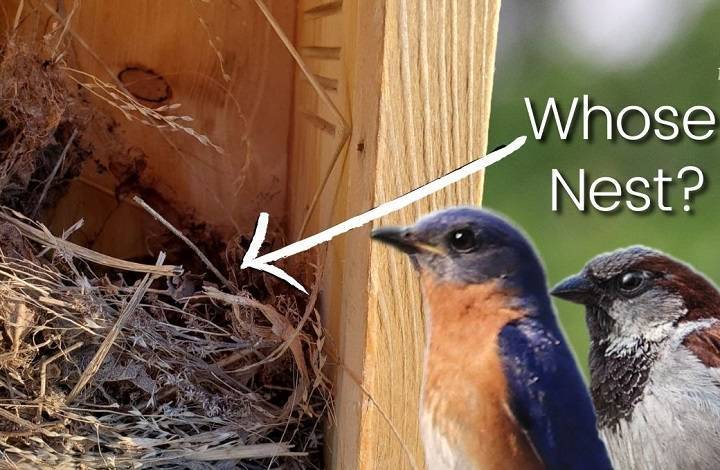
In the midst of bustling forests and serene meadows, there exists a small haven hidden from plain sight: the bluebird nest. Nestled within foliage or perched atop a sturdy branch, these tiny structures serve as incubators of life, harboring the beginnings of new generations. Join us as we embark on a journey into the intricate world of bluebird nests, exploring their construction, significance, and the delicate balance they maintain within the ecosystem.
The Bluebird: A Symbol of Hope and Happiness

Before delving into the realm of bluebird nests, it’s essential to understand the significance of the bluebird itself. Revered for centuries across various cultures, the bluebird is often seen as a symbol of hope, happiness, and renewal. Its vibrant plumage and melodious song evoke feelings of joy and serenity, making it a beloved icon in folklore and literature worldwide.
Meet the Bluebird: Species and Habitat
Bluebirds belong to the genus Sialia and are native to North America. Three primary species are commonly recognized: the Eastern bluebird (Sialia sialis), Western bluebird (Sialia mexicana), and Mountain bluebird (Sialia currucoides). Each species boasts unique physical characteristics and occupies distinct habitats, ranging from open woodlands to grassy plains.
The Art of Nest Building
Building a nest is a fundamental aspect of bluebird behavior, essential for ensuring the survival of their offspring. The intricate process begins with selecting an ideal nesting site, typically within natural cavities, abandoned woodpecker holes, or specially designed nest boxes. Once a suitable location is secured, the female bluebird meticulously constructs the nest using various materials gathered from the surrounding environment.
Materials of Choice: From Grass to Feathers
Bluebirds exhibit remarkable resourcefulness when it comes to gathering nesting materials. Commonly used items include grass, pine needles, moss, and leaves, which are woven together to form a sturdy foundation. Soft materials such as feathers, fur, and fine grasses are then added to line the interior, providing warmth and comfort for the eggs and nestlings.
Nest Architecture: A Work of Precision
Despite their small size, bluebird nests are marvels of engineering, boasting a compact yet efficient design. The outer layer consists of coarse materials arranged in a circular fashion, providing structural support and protection against the elements. Internally, the nest is lined with soft, insulating materials, creating a cozy environment conducive to incubation and fledgling development.
Egg Laying and Incubation
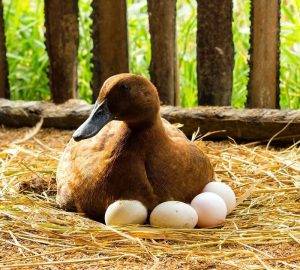
Once the nest is complete, the female bluebird begins the process of egg laying, typically depositing one egg per day until the clutch is complete. The number of eggs per clutch varies depending on factors such as species and environmental conditions, with Eastern bluebirds averaging four to seven eggs per brood. Following egg deposition, both male and female bluebirds take turns incubating the eggs, a task that requires dedication and precision.
From Egg to Fledgling: The Miracle of Life
The incubation period for bluebird eggs typically lasts around two weeks, during which time the parents diligently tend to their precious cargo. Upon hatching, the nestlings emerge blind, naked, and entirely dependent on their parents for warmth and nourishment. Over the ensuing weeks, the nestlings undergo rapid growth and development, transitioning from helpless hatchlings to fully fledged juveniles ready to explore the world beyond the nest.
Predation and Nest Defense
Despite their best efforts, bluebird nests are not immune to threats from predators and other challenges. Common predators include snakes, raccoons, and invasive bird species such as house sparrows and European starlings, which may raid nests in search of eggs or nestlings. To mitigate these risks, bluebird parents employ various defense mechanisms, including vigilant nest guarding and strategic nest placement.
Human Impacts and Conservation Efforts
In addition to natural threats, bluebirds face a range of challenges stemming from human activities, including habitat loss, pesticide use, and competition for nesting sites. Recognizing the importance of bluebirds and their role in maintaining ecological balance, conservationists and enthusiasts alike have spearheaded efforts to protect and restore bluebird populations. These initiatives include the installation of nest boxes, habitat restoration projects, and public awareness campaigns aimed at fostering appreciation for these iconic birds.
In closing, the humble bluebird nest serves as a testament to the resilience of nature and the enduring spirit of life. From its humble beginnings as a collection of twigs and grasses to its role as a cradle of new life, the bluebird nest embodies the delicate balance between fragility and strength. As we marvel at the intricacies of these tiny structures, let us also reflect on the broader significance of protecting and preserving the natural world that sustains us all.
The Importance of Citizen Science
Amidst the challenges faced by bluebirds, citizen science initiatives have emerged as valuable tools for monitoring populations and gathering data on nesting success rates, habitat preferences, and migratory patterns. Citizen scientists, ranging from amateur birdwatchers to dedicated volunteers, play a crucial role in collecting observations and contributing to scientific research. Through programs such as the North American Bluebird Society’s NestWatch and the Cornell Lab of Ornithology’s NestWatch, participants can monitor bluebird nests, record vital statistics, and contribute valuable information to conservation efforts. By harnessing the power of collective observation, citizen scientists provide invaluable insights into the behavior and ecology of bluebirds, helping researchers make informed decisions regarding habitat management and conservation strategies.
Challenges and Threats
Despite the collective efforts of researchers, conservationists, and citizen scientists, bluebirds continue to face a myriad of challenges that threaten their well-being. Habitat loss and fragmentation remain significant concerns, as urbanization and agricultural expansion encroach upon bluebird nesting sites and disrupt vital ecosystems. Pesticide use poses another formidable threat, as exposure to harmful chemicals can adversely affect bluebird health and reproductive success. Invasive species such as house sparrows and European starlings further compound these challenges, competing with bluebirds for nesting sites and resources. Addressing these complex issues requires a multi-faceted approach, encompassing habitat conservation, pesticide regulation, and community engagement.
Education and Outreach
One of the most effective strategies for safeguarding bluebirds and their habitats is through education and outreach initiatives aimed at raising awareness and fostering appreciation for these iconic birds. Educational programs in schools, nature centers, and community organizations provide opportunities for individuals of all ages to learn about bluebird biology, ecology, and conservation. Hands-on activities such as nest box building workshops, birdwatching excursions, and citizen science projects empower participants to take an active role in protecting bluebirds and their habitats. By instilling a sense of stewardship and environmental responsibility, these initiatives help cultivate a culture of conservation that extends beyond the boundaries of protected areas and into the fabric of everyday life.
Bluebird Nest
As we look to the future, the fate of bluebirds rests in our hands. By implementing proactive conservation measures, promoting habitat restoration, and fostering community engagement, we can ensure that bluebirds continue to thrive for generations to come. Whether it’s installing nest boxes in our backyard, participating in citizen science projects, or advocating for policies that protect wildlife and natural habitats, each of us has a role to play in safeguarding the delicate balance of nature. Together, we can preserve the serenity of the bluebird nest and secure a brighter future for these beloved birds and the ecosystems they inhabit.
