


Birdwatching is a beloved hobby for many, offering a glimpse into the fascinating world of avian life. One way to attract birds to your backyard is by providing them with a cozy sanctuary—a birdhouse. However, simply purchasing a birdhouse is not enough; its placement plays a crucial role in its effectiveness. In this comprehensive guide, we’ll delve into the intricacies of finding the ideal spot to hang your birdhouse, ensuring that your feathered friends feel right at home.
Understanding Bird Behavior
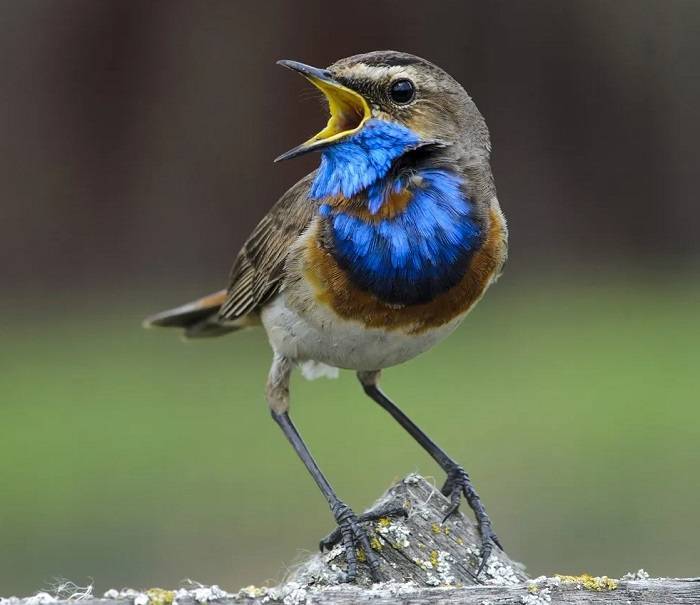
Before diving into the specifics of birdhouse placement, it’s essential to understand the behavior of the birds you’re hoping to attract. Different species exhibit varying preferences when it comes to nesting sites, influenced by factors such as habitat, food availability, and predation risk.
Species-Specific Preferences
Each bird species has its own set of requirements when it comes to nesting. Some prefer open spaces, while others seek out the shelter of trees or shrubs. Researching the species native to your area will provide valuable insights into their nesting habits.
Factors to Consider
When selecting a location for your birdhouse, several factors must be taken into account to ensure its suitability. By considering these factors, you can create an inviting environment that meets the needs of your avian visitors.
Sunlight Exposure
Birds prefer nesting sites that receive adequate sunlight, as it helps to regulate temperature and provides warmth for eggs and hatchlings. Aim for a location that receives morning sunlight but offers shade during the hottest part of the day.
Protection from Predators
Predation is a significant threat to nesting birds, so it’s crucial to choose a location that offers some degree of protection. Avoid placing birdhouses near potential predator perches, such as tall trees or structures where cats or other predators may lurk.
Distance from Human Activity
While birds have adapted to urban environments to some extent, they still prefer nesting sites that are relatively undisturbed by human activity. Avoid placing birdhouses in high-traffic areas or near loud noises that may disrupt nesting behavior.
Height and Accessibility
The height at which you hang your birdhouse can impact its attractiveness to nesting birds. While some species prefer elevated nesting sites for increased security, others may prefer lower heights for easier access.
Proximity to Food and Water Sources
Providing food and water near your birdhouse can enhance its appeal to nesting birds. Consider incorporating bird feeders, birdbaths, or native plants that produce berries or seeds to attract a diverse range of avian species.
Types of Birdhouses
Birdhouses come in various shapes and sizes, each designed to accommodate different species. Understanding the specific needs of your target birds will help you select the most suitable birdhouse for your backyard.
Traditional Nest Boxes
Traditional nest boxes are rectangular or square in shape, with a small entrance hole designed to accommodate cavity-nesting species such as bluebirds, chickadees, and titmice. These birdhouses are typically mounted on poles or trees.
Open-Fronted Nest Boxes
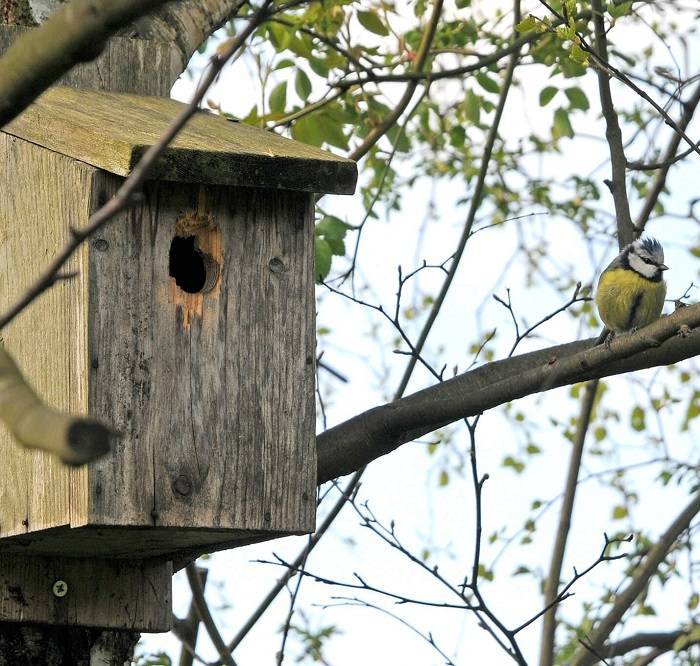
Open-fronted nest boxes lack a traditional entrance hole, making them suitable for species that prefer more open nesting sites, such as robins, wrens, and phoebes. These birdhouses are often placed in shrubs or under building eaves.
Platform Nest Boxes
Platform nest boxes consist of a flat surface with low walls, providing a nesting site for ground-nesting species such as sparrows, towhees, and juncos. These birdhouses are usually placed directly on the ground or elevated slightly above it.
Hanging Nest Boxes
Hanging nest boxes are suspended from trees or other structures, providing a safe and secure nesting site for species such as finches, warblers, and flycatchers. These birdhouses are often made of lightweight materials such as wood or plastic.
Creating a Bird-Friendly Environment
In addition to providing nesting sites, creating a bird-friendly environment involves incorporating elements that support the overall well-being of avian visitors. By enhancing your backyard habitat, you can attract a diverse array of bird species and contribute to their conservation efforts.
Native Plants
Native plants play a crucial role in providing food, shelter, and nesting sites for birds. Incorporating a variety of native plants into your landscape will attract insects, seeds, and berries that birds rely on for nourishment.
Water Features
Water features such as birdbaths, ponds, and fountains provide birds with a source of clean drinking water and opportunities for bathing and preening. Ensure that water features are shallow and easily accessible to birds of all sizes.
Avoiding Pesticides
Pesticides and herbicides can have harmful effects on birds and other wildlife, so it’s important to avoid their use in your backyard. Instead, opt for natural pest control methods and encourage a healthy balance of predators and prey.
Creating an inviting habitat for nesting birds involves careful consideration of factors such as location, habitat, and nesting preferences. By understanding the needs of your avian visitors and providing suitable nesting sites, you can attract a diverse array of bird species to your backyard and contribute to their conservation efforts. So, grab your binoculars and get ready to enjoy the sights and sounds of your feathered friends in their new homes!
Monitoring and Maintenance
Once you’ve selected the perfect spot and installed your birdhouse, your work isn’t quite finished. Monitoring and maintaining the birdhouse are essential steps to ensure its continued effectiveness and the safety of its inhabitants.
Regular Inspections
Regular inspections of your birdhouse will allow you to assess its condition and address any issues that may arise. Check for signs of wear and tear, damage from weather or predators, and any unwanted inhabitants such as insects or rodents.
Cleaning
Cleaning your birdhouse between nesting seasons is crucial to prevent the buildup of debris and parasites that can harm nesting birds. Remove old nesting material, scrub the interior with mild soap and water, and rinse thoroughly before allowing it to dry completely.
Repair and Replacement
Over time, birdhouses may become damaged or deteriorate due to exposure to the elements. Repair any structural damage, replace damaged parts, and repaint or refinish the birdhouse as needed to ensure its longevity.
Monitoring Nesting Activity
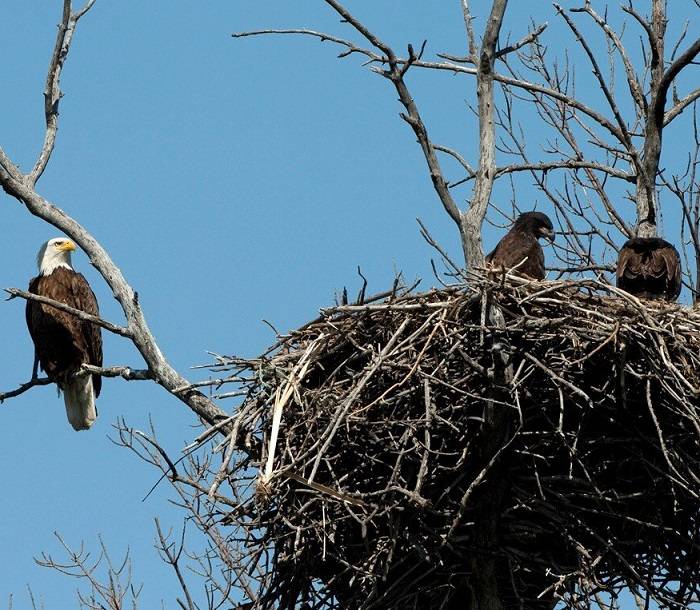
Keep a close eye on your birdhouse during the nesting season to monitor nesting activity and ensure the safety of eggs and hatchlings. Use binoculars to observe from a distance, taking care not to disturb the nesting birds.
Record Keeping
Maintaining records of nesting activity in your birdhouse can provide valuable insights into the success of your efforts and help track changes in bird populations over time. Record observations such as species, nesting dates, clutch size, and fledging success.
Adapting to Changing Conditions
As environmental conditions change, so too may the needs of nesting birds. Stay informed about local conservation efforts, habitat restoration projects, and emerging threats to bird populations, and adapt your backyard habitat accordingly.
Educating Others
Share your knowledge and passion for birdwatching with others in your community. Host educational workshops, lead birdwatching tours, or participate in citizen science projects to promote awareness and appreciation of avian wildlife.
Where To Hang Birdhouse
Creating a bird-friendly environment in your backyard involves more than just hanging a birdhouse—it requires careful planning, ongoing maintenance, and a commitment to conservation. By providing suitable nesting sites, food, water, and shelter, you can attract a diverse array of bird species to your backyard and contribute to their well-being. So, roll up your sleeves, put on your gardening gloves, and get ready to welcome a feathered flurry of activity to your outdoor space. Happy birdwatching!
