


In the lush forests and remote landscapes of New Zealand, a curious and endearing creature roams under the cover of darkness – the Kiwi bird. Renowned for its unique appearance, nocturnal habits, and remarkable adaptation to its environment, the Kiwi bird holds a special place in the hearts and minds of New Zealanders and nature enthusiasts around the world. In this comprehensive exploration, we embark on a journey to unravel the mysteries of the Kiwi bird, delving into its fascinating biology, cultural significance, conservation status, and ongoing efforts to protect this iconic species.
Introduction: The Enigmatic Kiwi Bird

Nestled within the dense forests and rugged terrain of New Zealand, the Kiwi bird stands as a symbol of the country’s natural heritage and ecological diversity. Despite its relatively small size, the Kiwi bird looms large in the collective imagination, capturing the curiosity and fascination of all who encounter it. From its distinctive appearance and elusive behavior to its vital role in shaping New Zealand’s ecosystems, the Kiwi bird is a creature of wonder and mystery, deserving of our attention and admiration.
Taxonomy and Species Diversity
The Kiwi bird belongs to the family Apterygidae, which includes five recognized species: the North Island brown kiwi (Apteryx mantelli), the great spotted kiwi (Apteryx haastii), the little spotted kiwi (Apteryx owenii), the rowi (Apteryx rowi), and the tokoeka (Apteryx australis). Each species is uniquely adapted to its specific habitat and ecological niche, ranging from dense forests and scrubland to alpine regions and coastal areas throughout New Zealand.
Unique Adaptations and Morphology
One of the most distinctive features of the Kiwi bird is its unusual morphology, which sets it apart from most other avian species. Characterized by its small size, stout body, long bill, and vestigial wings, the Kiwi bird exhibits a suite of adaptations that are well-suited to its ground-dwelling lifestyle. Its highly developed sense of smell, tactile bill, and powerful legs enable it to forage for food, navigate dense vegetation, and defend itself against predators in its native habitat.
Nocturnal Habits and Behavior
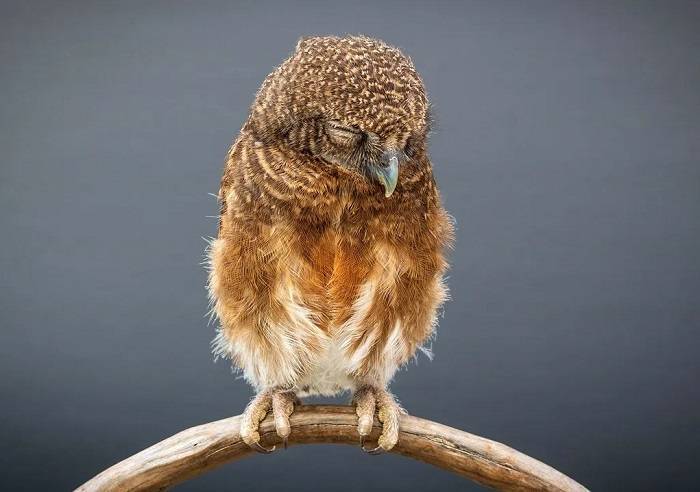
Unlike many other bird species, the Kiwi bird is primarily nocturnal, meaning it is most active during the night and rests during the day. This nocturnal lifestyle is thought to have evolved as a strategy to avoid competition with other diurnal bird species and to minimize predation pressure from introduced mammals such as rats, stoats, and cats. By foraging under the cover of darkness, the Kiwi bird is able to exploit food resources that are inaccessible to its diurnal counterparts, including earthworms, insects, and other invertebrates.
Cultural Significance and Mythology
In addition to its ecological importance, the Kiwi bird holds a special place in the cultural heritage and mythology of the Māori people, the indigenous inhabitants of New Zealand. Known as the “Te Manu Huna a Tāne,” or the hidden bird of Tāne (the god of forests and birds), the Kiwi bird is revered as a symbol of purity, spirituality, and connection to the natural world. Its presence in Māori art, folklore, and oral traditions reflects its status as a taonga (treasure) of cultural significance and spiritual significance.
Conservation Challenges and Efforts
Despite its cultural significance and ecological importance, the Kiwi bird faces numerous threats to its survival, including habitat loss, predation by introduced mammals, and disease. In response to these challenges, conservation organizations, government agencies, and local communities have implemented a variety of measures to protect and restore Kiwi bird populations throughout New Zealand. These efforts include predator control programs, habitat restoration initiatives, captive breeding programs, and public awareness campaigns aimed at educating the public about the importance of conserving this iconic species.
Kiwi (Bird)
In conclusion, the Kiwi bird is a true symbol of New Zealand’s natural heritage and ecological diversity, embodying the spirit of resilience, adaptation, and cultural significance. As stewards of the land, it is our collective responsibility to ensure the survival of the Kiwi bird for future generations to cherish and admire. By supporting conservation efforts, promoting sustainable land management practices, and fostering a deeper appreciation for the wonders of the natural world, we can help to preserve the legacy of the Kiwi bird and safeguard its place in the hearts and minds of people around the world.
