

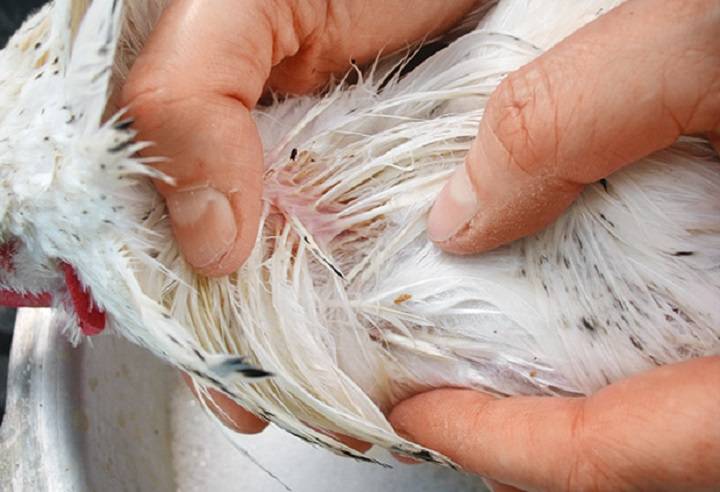
Bird mites are tiny arachnids that infest birds and their nests, feeding on blood and causing discomfort and irritation to both birds and humans. While bird mites typically target avian hosts, they can also pose a nuisance to humans when they migrate from bird nests to human habitats. In this comprehensive guide, we’ll explore the risks associated with bird mites in human hair, strategies for prevention and control, and effective treatment options for infestations.
Unveiling Bird Mites: The Pests That Hitch a Ride

Bird mites, also known as avian mites or bird lice, are small parasitic arthropods that belong to the order Acari. These minuscule creatures typically inhabit the nests and plumage of birds, where they feed on blood and other bodily fluids. However, when bird nests are disturbed or abandoned, bird mites may migrate to nearby human dwellings in search of alternative hosts, leading to potential infestations in human hair and living spaces.
Risks to Human Health: Itching, Irritation, and Dermatitis
When bird mites infest human hair and skin, they can cause a range of symptoms, including itching, redness, and irritation. In severe cases, prolonged exposure to bird mites may lead to dermatitis, allergic reactions, and secondary infections. Individuals with compromised immune systems or pre-existing skin conditions may be particularly susceptible to the adverse effects of bird mite infestations, highlighting the importance of prompt detection and intervention.
Identifying Bird Mite Infestations: Signs and Symptoms
Detecting bird mite infestations in human hair can be challenging due to the mites’ small size and elusive behavior. However, several telltale signs may indicate the presence of bird mites, including:
- Persistent itching and discomfort, especially around the scalp, neck, and shoulders.
- Red, inflamed skin lesions or bite marks resembling small red dots or welts.
- Visible mites or their eggs in the hair or on the scalp, particularly after exposure to bird nests or infested areas.
Prevention Strategies: Minimizing the Risk of Bird Mite Infestations

Preventing bird mite infestations in human hair requires proactive measures to minimize contact with infested bird nests and habitats. Consider the following strategies to reduce the risk of bird mite exposure:
- Avoiding direct contact with bird nests, roosting areas, and avian habitats, especially during nesting season.
- Installing physical barriers, such as screens or mesh, to prevent birds from nesting in or near human dwellings.
- Regularly cleaning and inspecting outdoor areas, eaves, and roof spaces for signs of bird activity or nesting.
- Using protective clothing, gloves, and masks when handling or removing bird nests or debris.
Treatment Options: Managing Bird Mite Infestations in Human Hair
If bird mites are detected in human hair or living spaces, prompt action is essential to prevent further infestation and alleviate symptoms. Treatment options for bird mite infestations may include:
- Thoroughly washing and shampooing the hair with warm water and mild soap to remove mites and debris.
- Applying over-the-counter or prescription insecticidal shampoos or creams containing pyrethrin or permethrin to kill mites and soothe itching.
- Laundering clothing, bedding, and household linens in hot water and drying them on high heat to eliminate mites and eggs.
Bird Mites In Human Hair
Related post
Exploring the Lone Star State’s Avian Icon: The Northern Mockingbird
Unveiling the Mystery: Birds That Lay Blue Eggs
Discovering the Allure of the Swedish Blue
In conclusion, bird mites pose a potential risk to human health when they migrate from bird nests to human habitats, leading to discomfort, irritation, and dermatological issues. By understanding the risks associated with bird mite infestations, implementing preventive measures, and seeking prompt treatment when necessary, individuals can minimize the likelihood of infestation and protect themselves and their families from the adverse effects of bird mites in human hair. Remember to consult with a healthcare professional or pest control expert for personalized advice and guidance on managing bird mite infestations effectively.
