

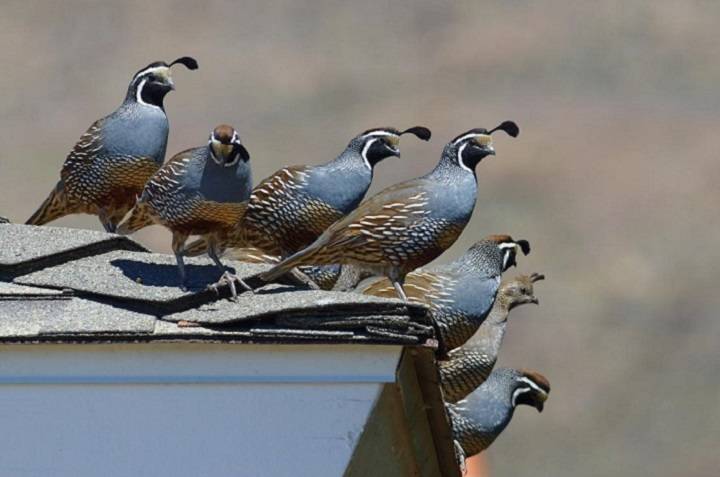
California, renowned for its diverse landscapes, vibrant culture, and abundant wildlife, is home to a variety of iconic symbols that capture the essence of the Golden State. Among these is the California Quail (Callipepla californica), a charming and charismatic bird that serves as the official state bird of California. In this comprehensive exploration, we will delve into the fascinating world of the California Quail, uncovering its natural history, behavioral traits, and cultural significance.
The California Quail – A Symbol of the Golden State

The California Quail, with its distinctive appearance and endearing behaviors, holds a special place in the hearts of Californians and visitors alike. Known for its plump body, forward-facing crest, and intricate plumage patterns, the California Quail embodies the spirit of the state with its resilience, adaptability, and beauty. From the bustling urban neighborhoods of Los Angeles to the rugged mountain ranges of the Sierra Nevada, these delightful birds can be found in a variety of habitats throughout California, bringing joy and wonder to all who encounter them.
Taxonomy and Distribution: A Native Son of California
Belonging to the family Odontophoridae, the California Quail is one of several species of quail native to North America. Endemic to the western United States, the California Quail is primarily found along the Pacific Coast, ranging from southern Oregon to northern Baja California in Mexico. Within California, these birds inhabit a wide range of habitats, including chaparral, grasslands, oak woodlands, and suburban areas, where they can be observed foraging for seeds, insects, and other food sources.
Physical Characteristics: The Beauty of the California Quail
The California Quail is a medium-sized bird with a distinctive appearance that sets it apart from other quail species. Adult males, known as cocks or bucks, are characterized by their striking black and white facial markings, rich chestnut flanks, and bold, forward-curving crests. Females, known as hens, are slightly smaller and less boldly colored than males, with more subdued plumage and shorter crests. Both sexes have elegant, rounded bodies, short, stout bills, and intricate feather patterns that provide camouflage and protection from predators.
Behavior and Social Structure: Life in the Quail Community
California Quails are highly social birds that form tight-knit family groups known as coveys. These coveys, typically consisting of one or more adult males, several females, and their offspring, engage in a variety of cooperative behaviors, including foraging, nesting, and predator defense. Communication within the covey is facilitated through a diverse repertoire of vocalizations, including calls, squawks, and alarm signals, which help to coordinate group activities and maintain social cohesion.
Reproduction and Nesting: The Circle of Life

Breeding season for California Quails typically occurs in the spring and early summer when food resources are abundant and environmental conditions are favorable. During this time, males engage in elaborate courtship displays, including strutting, calling, and wing-spreading, to attract mates and establish breeding territories. Once paired, females construct shallow, cup-shaped nests hidden among dense vegetation, where they lay a clutch of eggs ranging in color from pale cream to light brown. Incubation duties are shared by both parents, with chicks hatching after about three weeks and fledging within a few weeks of hatching.
Cultural Significance: The California Quail in Art, Literature, and Folklore
Throughout history, the California Quail has held a special place in the hearts and minds of Californians, inspiring artists, writers, and storytellers with its beauty and grace. From Native American legends and folktales to contemporary works of art and literature, these charming birds have appeared in a myriad of cultural contexts, symbolizing everything from resilience and adaptability to community and family bonds. Whether depicted in traditional basketry designs, painted landscapes, or modern-day murals, the California Quail continues to captivate imaginations and evoke a sense of pride in the natural heritage of the Golden State.
Conservation Status and Threats: Protecting California’s Quail Population
Despite their widespread distribution and relative abundance, California Quails face a variety of threats to their survival, including habitat loss, fragmentation, and degradation. Urbanization, agriculture, and wildfires have all contributed to declines in quail populations in some parts of California, prompting conservation efforts aimed at protecting and restoring critical habitat, implementing sustainable land management practices, and raising awareness about the importance of preserving native species and ecosystems. By working together to address these challenges, we can ensure a bright future for California’s beloved state bird and all the natural treasures that call the Golden State home.
State Bird Of California
Related Post:
In conclusion, the California Quail stands as a proud symbol of the Golden State, embodying the beauty, resilience, and diversity of California’s natural heritage. From its striking appearance and endearing behaviors to its cultural significance and ecological importance, the California Quail holds a special place in the hearts of Californians and serves as a reminder of the rich tapestry of life that thrives within our midst. As stewards of the land, it is our responsibility to cherish and protect these magnificent birds and ensure that future generations have the opportunity to experience the wonder and beauty of California’s quail heritage for years to come.
