

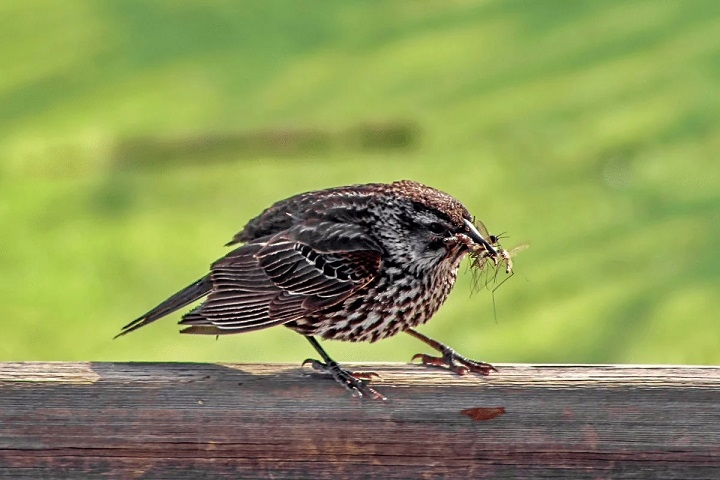
Birds are nature’s most versatile feeders. With diets ranging from seeds and fruits to nectar and insects, birds adapt their meals based on environment, season, and survival needs. Among their many insect-based meals, beetles stand out as one of the most widely consumed types. But just how common is this practice, and what kinds of birds eat beetles?
If you’ve ever spotted a robin pecking at the ground or a woodpecker hammering at tree bark, chances are they’re searching for beetles or their larvae. In this in-depth guide, we’ll explore whether birds eat beetles, why they do, what species of birds are known for it, and how this feeding relationship impacts ecosystems and even gardens.
Why Beetles Are a Valuable Food Source for Birds
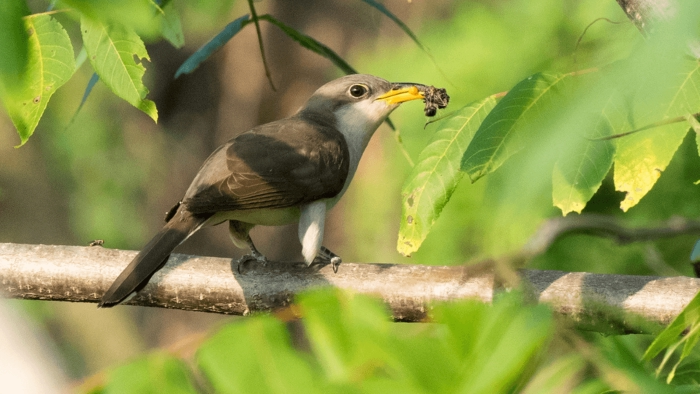
Beetles are not just plentiful—they’re also packed with nutrition. With over 400,000 known beetle species worldwide, they make up one of the largest insect groups on Earth. That means for birds, they are both accessible and beneficial.
Nutritional Value of Beetles
Beetles are high in:
- Protein, for muscle and feather development
- Fat, to support high-energy activities like flying and migration
- Moisture, especially in larvae
- Micronutrients such as calcium and iron
This nutrient-rich profile is particularly important for nesting birds feeding their chicks and for migratory birds preparing for long journeys.
Beetles Are Abundant and Easy to Find
Beetles live in nearly every ecosystem on the planet, from grasslands to forests, deserts to wetlands. Birds can find them:
- Under leaf litter
- Beneath logs and bark
- In soil or compost piles
- On plants and flowers
- Even in water (aquatic beetles)
Because of their wide availability, beetles are often a staple in the diets of many insect-eating birds.
Which Birds Eat Beetles?
A large number of bird species feed on beetles, especially those considered insectivorous or omnivorous. The way birds catch beetles depends on the bird’s size, beak shape, and foraging behavior.
Woodpeckers
Woodpeckers are beetle experts, especially when it comes to larvae burrowed inside trees.
Common examples:
- Downy woodpecker
- Hairy woodpecker
- Northern flicker
- Red-bellied woodpecker
They drill into bark using their strong beaks and extract beetle larvae using sticky, barbed tongues.
Robins and Thrushes
These ground foragers are often seen digging through leaves or hopping across lawns.
Species include:
- American robin
- European blackbird
- Hermit thrush
- Eastern bluebird
They primarily eat ground beetles, grubs, and other crawling insects.
Wrens
Wrens are small but fierce insect hunters. They search under bark, rocks, and in crevices for beetles and their larvae.
Common species:
- House wren
- Carolina wren
- Bewick’s wren
- Marsh wren
They’re known for eating many types of small beetles found in garden beds and shrubs.
Jays and Crows
Members of the corvid family, such as jays and crows, are opportunistic feeders. Their strong, versatile beaks allow them to dig up grubs or crack open hard-shelled beetles.
Common types:
- Blue jay
- American crow
- Common raven
- Eurasian jay
They often patrol lawns and wooded areas for beetles, especially after rain.
Swallows and Nighthawks
These aerial insectivores catch flying beetles mid-air. While they mostly target flies and moths, they also catch beetles during mass flights.
Examples include:
- Barn swallow
- Tree swallow
- Common nighthawk
- Purple martin
Flying beetles like June bugs are often snapped up in flight during evening feeding periods.
Chickadees and Tits
These small birds forage among tree branches and foliage, picking off small beetles and their larvae.
Popular species:
- Black-capped chickadee
- Tufted titmouse
- Great tit
- Blue tit
Their agility and curiosity make them skilled beetle hunters.
Starlings and Grackles
Both are known for foraging in flocks and will feed on beetles in grass, fields, and urban areas.
Species include:
- European starling
- Common grackle
- Red-winged blackbird
These birds are often seen pulling up grubs from lawns.
What Kinds of Beetles Do Birds Eat?
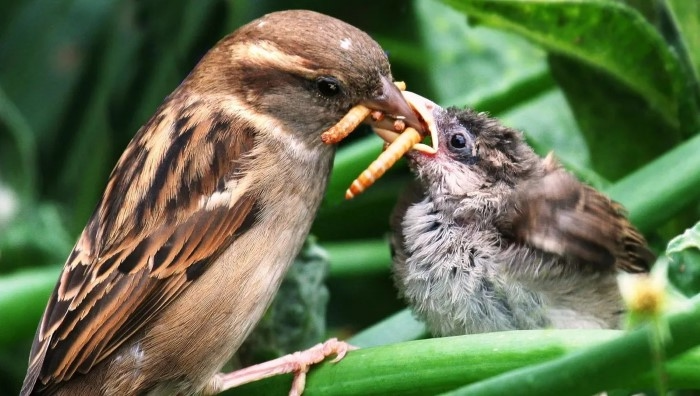
Birds consume a wide range of beetle types. The preference may depend on the bird’s size, beak strength, and hunting style.
Ground Beetles
These beetles are commonly found under leaves or rocks and are hunted by robins, blackbirds, and wrens.
Leaf Beetles
Found on plants, they’re targeted by birds that forage in shrubs or trees, like chickadees and warblers.
Bark Beetles
These beetles burrow under tree bark and are a primary food source for woodpeckers.
June Bugs and Scarab Beetles
These larger beetles are eaten by jays, crows, and grackles. Their grubs are often found in soil and are a favorite for robins and starlings.
Click Beetles
These beetles are small and easy to eat, making them ideal prey for wrens and chickadees.
Aquatic Beetles
Ducks and water-loving birds may also eat aquatic beetles found in ponds or streams.
Do Birds Eat Beetle Larvae?
Yes. In fact, many birds prefer beetle larvae (grubs) over adult beetles because they are softer, easier to digest, and richer in fat.
Grubs are usually found in soil, compost piles, decaying wood, or under leaves. Birds like robins, blackbirds, and starlings are often seen digging for these larvae.
Woodpeckers specialize in pulling beetle grubs out of wood, making them especially useful in controlling tree-damaging beetles.
Seasonal Behavior and Beetle Diets
Birds rely more heavily on beetles and their larvae during specific seasons:
- Spring and summer – When breeding, birds need high-protein food to raise chicks
- Fall – Many birds bulk up for migration by consuming high-fat grubs and insects
- Winter – Beetles are less active, but some species still find larvae hidden in bark or soil
Having access to beetles during nesting season is especially important. Chicks need protein to grow feathers and develop strong muscles.
Do All Birds Eat Beetles?
Not all birds eat beetles. Seed-eating birds like doves or nectar-feeders like hummingbirds generally don’t consume insects. However, many omnivorous birds will include beetles as part of a balanced diet.
Even birds that mainly eat seeds may shift to insects, including beetles, during the breeding season to provide better nutrition for their young.
Are All Beetles Safe for Birds?
While most beetles are safe for birds, some species have natural defenses:
- Chemical sprays – Some beetles release irritating or toxic chemicals
- Hard exoskeletons – May be avoided by smaller birds
- Bad taste – Some beetles produce bitter-tasting compounds
Birds often learn to avoid these beetles or eat only certain parts.
How Birds Help Control Beetle Pests
Beetles can be serious pests in gardens and forests. Birds naturally help keep beetle populations in check.
Examples include:
- Woodpeckers reducing bark beetle infestations
- Robins eating Japanese beetle grubs in lawns
- Starlings and blackbirds pulling up root-feeding larvae
Encouraging birds in your yard can help reduce the need for chemical pest control.
Tips to Attract Beetle-Eating Birds to Your Yard
If you want to invite more insect-eating birds into your garden:
- Avoid pesticides that kill beetles and other insects
- Leave small leaf piles, logs, and mulch where beetles can thrive
- Plant native shrubs and trees for food and shelter
- Add birdbaths and shallow water features
- Provide nest boxes for wrens, chickadees, and woodpeckers
Creating a balanced ecosystem benefits both birds and your garden.
FAQs About Birds Eating Beetles
Do birds eat beetles?
Yes, many bird species, including robins, woodpeckers, wrens, and jays, regularly eat beetles and their larvae.
What kinds of beetles do birds prefer?
Birds eat a wide range of beetles, including ground beetles, bark beetles, June bugs, leaf beetles, and beetle larvae.
Are beetles good for baby birds?
Yes. Beetles and grubs are rich in protein and fat, making them ideal for feeding chicks.
Can birds help reduce beetle pests in gardens?
Absolutely. Birds act as natural pest control by feeding on beetles that damage plants and lawns.
Do birds eat beetles in winter?
Some birds continue to forage for beetle larvae in bark or under soil during winter, though beetle activity is much lower.
