

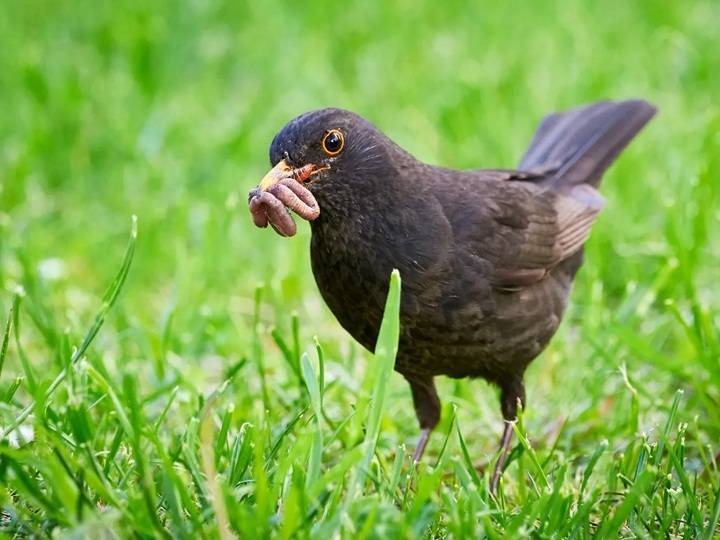
Look up. A sparrow pecks at seeds. A robin tugs a worm. A jay raids a berry bush. In one minute, you’re asking the big question: are birds omnivores? Sometimes yes. Sometimes no. Birds are a chorus of appetites—seed-eaters, bug-hunters, fruit-fans, fish-spears. In this guide we’ll translate beaks into menus, seasons into cravings, and instincts into easy backyard choices. Warm, practical, clear. By the end, when someone asks are bird omnivores, you’ll have an answer that lands.
The Short Answer
Are birds omnivores? Many are. But not all. Think spectrum, not boxes.
- Strict or near-strict carnivores: hawks, owls, falcons, many seabirds.
- Mostly herbivores/granivores: geese on grasses, finches on seeds.
- Flexible omnivores: crows, jays, gulls, thrushes, starlings, chickens, many ducks, parrots.
- Specialists that still “cheat”: hummingbirds sip nectar but take tiny insects; swifts eat insects yet swallow plant fluff now and then; even seed-lovers switch to protein in spring.
So, are birds omnivores by default? No. But omnivory is common—and surprisingly strategic.
Why Diet Isn’t One-Word Simple
Bird diets are shaped by three quiet forces: tools, timing, and trade-offs.
Tools: Beaks, Tongues, and Gizzards
- Conical, crushing beaks (finches) excel at seeds.
- Tweezers and probes (warblers, sandpipers) pull insects from bark or mud.
- Hooks and daggers (raptors, herons) mean meat.
- Brushy tongues (hummingbirds) sip nectar—but they still chase gnats for protein.
- Gizzard + grit lets many birds grind tough foods, widening the menu.
Timing: Seasons and Weather
Spring floods the world with caterpillars. Even hard-core seed-eaters pivot to bugs for their chicks. Drought or snow? Opportunists expand their menu. Ask again in July or January and you’ll get a different answer to are bird omnivores.
Trade-Offs: Energy vs. Effort
Every bite is math. Seeds sit still but may be low-protein. Insects sprint but are rich. Fruit is quick sugar; carrion is slow but dense. Birds optimize like tiny accountants with wings.
Meet the Omnivores (The Flexible Majority)
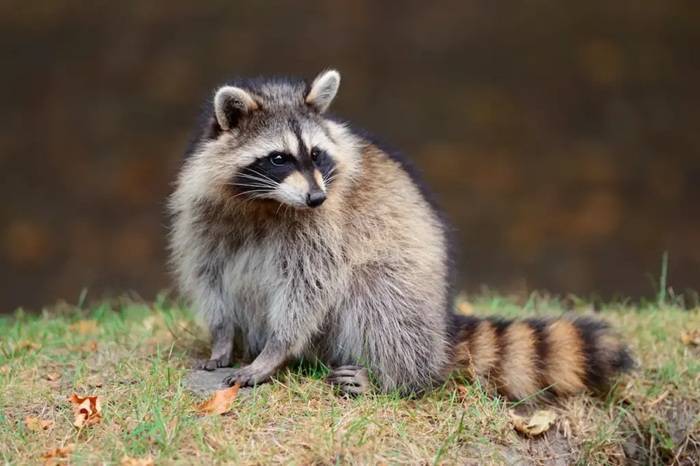
If you’re hunting for a firm “yes” to birds omnivores, start here.
Corvids: Crows, Ravens, Jays
Masters of “whatever works.” Seeds, nuts, eggs, insects, carrion, scraps. Sharp minds. Quick hands—well, feet.
Gulls
Beach opportunists. Fish one hour, fries the next. That adaptability answer is birds omnivores with a wry smile.
Thrushes & Starlings
Robins mix fruit and invertebrates. Starlings switch from lawn grubs to orchards to suit the ease of commuters changing trains.
Parrots
Wild parrots often eat fruit, seeds, blossoms—and a surprising amount of insect protein. Captive diets mirror that flexibility (with guardrails).
Many Ducks and Domestic Fowl
Dabblers sift seeds and algae but snap up snails and insects. Chickens are poster birds for omnivory: grain plus bugs, lizards, even the odd leftover.
Specialists… Who Still Bend the Rules
Nature loves nuance.
Raptors
Primarily carnivores. Yet a hawk may scavenge. A kite may steal fish scraps. Edge cases don’t make them omnivores—but remind us that hunger edits rules.
Hummingbirds
Nectar fuels the engine. Tiny flies and spiders build the engine’s parts. Functionally, they behave like nectarivores with an omnivore’s supplement. Ask are bird omnivores here and the honest answer is: “Their bodies say yes to protein when it counts.”
Finches & Sparrows
Seed specialists most of the year. In breeding season? Insects for nestlings. Protein builds feathers; seeds keep the pantry full.
Geese and Swans
Mostly herbivorous—grasses, shoots, aquatic plants. But goslings nab insects; adults may graze bugs incidentally. The door to omnivory isn’t locked. It’s just rarely opened.
Life Stage Matters
Say are birds omnivores about a species—and then say it again about its chicks.
- Nestlings and fledglings need protein-dense diets for growth, even in “seed” families.
- Adults often broaden or narrow menus with the season, molt, or migration demands.
Young birds grow on the good stuff. Parents know it.
Urban Diets: The City as Buffet
Cities push birds toward omnivory. Trash days. Fruit trees. Patio crumbs. Gulls raid dumpsters. Crows cache nuts. Pigeons sample everything (too much bread, often). If you ask are birds omnivores downtown, the answer skews yes—behavior follows opportunity.
Backyard Choices: Feed Well, Not Just More
You can support healthy flexibility without turning birds into junk-food fans.
Offer Variety, Not Chaos
- Seeds: black oil sunflower, safflower, quality mixes.
- Protein: suet (cool weather), mealworms (live or dried) for spring broods.
- Fruit: orange halves, apple slices, grapes (halved).
- Nectar: 1:4 sugar-to-water, no dye, clean often.
Skip the Problem Foods
Bread, salty snacks, spoiled food, sticky sweet glazes. These skew diets and attract pests.
Water Counts
A shallow basin with stones for footing helps both seed-eaters and bug-hunters. Clean, refill, repeat.
With a balanced station, the backyard answer to are bird omnivores sounds like: “They can be—let’s help them be healthy ones.”
Beaks as Clues: Read the Menu in the Face
- Knife or spear? Think fish or meat.
- Conical crusher? Seeds first, insects in season.
- Long brush or curve? Nectar, fruit, plus protein snacks.
When someone asks are bird omnivores, point gently to the bill. It’s an honest storyteller.
Ecology: Why Omnivory Matters
Omnivores knit ecosystems together.
- Cleanup crew: crows and gulls move nutrients by scavenging.
- Pest control: thrushes and starlings reduce lawn grubs and caterpillars.
- Seed spreaders: fruit-fans carry forests in their bellies.
- Resilience: when one food fails, omnivores bend, not break.
So are birds omnivores because they’re indecisive? No. Because flexibility is survival.
Pets & Ethics: A Quick Word for Bird Owners
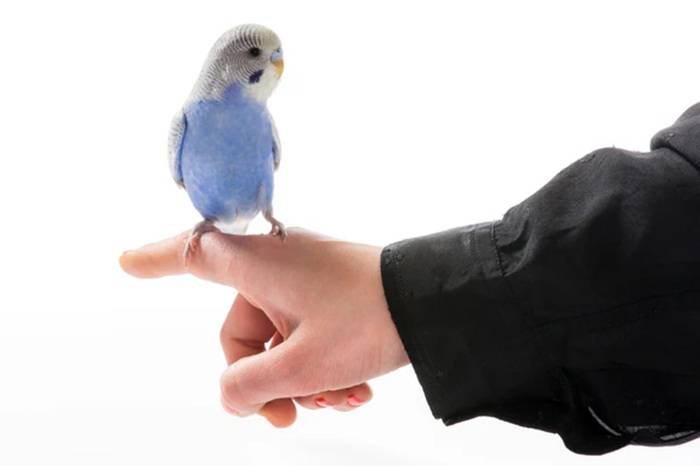
- Parrots: pellets as base, fresh veg daily, measured fruit, occasional cooked grains/legumes; limited, vetted protein.
- Backyard chickens: balanced layer feed plus controlled foraging; avoid fatty scraps.
- Raptors (under permit): strict carnivore diets managed by licensed falconers or rehabbers.
If you’re keeping birds, the answer to are birds omnivores becomes a responsibility, not a curiosity.
Seasonal Calendar: What to Expect
- Spring: protein spike; insects for chicks.
- Summer: mixed plates—berries, bugs, seeds.
- Autumn: carb load—seeds, mast, fruit for migration and molt.
- Winter: fat and seed heavy; omnivores lean on suet, nuts, fallen fruit.
Ask are birds omnivores in each season and watch the pendulum swing.
Common Myths, Softly Fixed
- “Birds only eat seeds.” Many do not. Even seed-lovers chase insects in spring.
- “Hummingbirds live on sugar water alone.” They need arthropods for protein.
- “Feeding meat makes birds aggressive.” Behavior has many drivers; occasional protein doesn’t turn robins into raptors.
- “Bread is fine.” It fills bellies and empties nutrition. Choose better.
Truth, kindly told, changes habits.
Field Notes You Can Try This Week
- Watch a robin for five minutes. Worm, berry, beetle—count the switches.
- Check a finch’s beak in May vs. November. See any bugs vanish into that tiny mouth?
- Put out orange halves and note who shows: orioles, catbirds, thrashers, even house finches.
Each observation makes your own answer to are bird omnivores more precise—and more yours.
FAQs: Are Birds Omnivores?
Q1. So… are birds omnivores, yes or no?
Many are, especially generalists like crows, jays, gulls, thrushes, and chickens. Others are mostly carnivores (raptors) or mostly herbivores (geese), with seasonal exceptions.
Q2. Are birds omnivores in winter more than summer?
Often yes. Scarcity nudges flexible species toward whatever’s available—seeds, suet, carrion, fruit drops.
Q3. Are birds omnivores if they eat nectar and insects?
Functionally, yes. Plant sugars for energy, insects for protein. Hummingbirds are a classic example.
Q4. Are birds omnivores in cities because of people?
Human food waste encourages omnivory. Many species become bolder and broader in their diets around us.
Q5. Are birds omnivores by evolution or by choice?
Both. Anatomy sets the range; curiosity and opportunity explore it. Flexibility is a winning strategy.
Q6. What should I feed if I want healthy omnivores at my feeder?
Quality seeds, seasonal suet, mealworms in spring, fresh fruit, and clean water. Skip bread and salty snacks.
Q7. Do young birds push species toward omnivory?
Chicks’ protein needs often make even “seed birds” hunt insects in breeding season. Parenthood broadens the menu.
Ask a simple question are birds omnivores and you open a door. On the other side: patience, pattern, delight. Watch a beak. Listen to a season. Offer better food. Let curiosity grow into care. The more closely we look, the more generous the answer becomes: birds are what the day requires—nimble, brave, and beautifully specific.
