
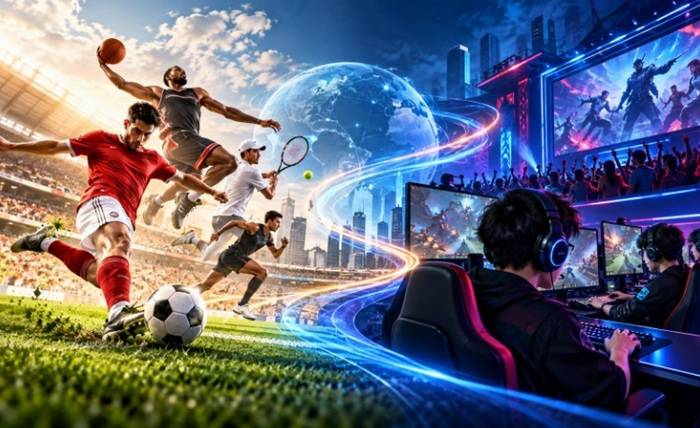
The development of digital technology is changing how people enjoy sports. In the past, fans primarily followed matches on television or attended events at stadiums. Today, they can also watch competitions through streaming services, follow club updates on social media, and participate in gaming tournaments. These changes have brought esports and traditional sports closer together within the same entertainment ecosystem.
Although they have different characteristics, both share several important qualities. Traditional sports involve direct physical activity, while esports focuses on competitive digital gaming. However, both require strategy, training, teamwork, discipline, and community support. These similarities are creating more opportunities for collaboration in the digital age.
Differences That Create Opportunities for Collaboration
Traditional sports have a long history, established competition rules, and strong emotional connections between clubs, athletes, and supporters. Esports, on the other hand, has developed through technology, online communities, and competitive opportunities that allow players from different regions to participate. Rather than creating barriers, these differences provide opportunities for both industries to expand their audiences.
Sports clubs can establish esports divisions or organise gaming competitions related to their respective sports. This approach allows clubs to connect with younger audiences who are active in gaming communities. Meanwhile, esports organisers can learn from traditional sports organisations when managing competitions, establishing team identities, and maintaining relationships with supporters.
Technology Brings Fan Experiences Together
Social media, streaming platforms, and mobile applications have made interactions between spectators and sports communities more accessible. Fans can check match schedules, watch highlights, participate in discussions, and interact with athletes or players through digital channels. These experiences are now common across football, basketball, racing, and esports tournaments.
Technology also helps organisers present statistics and information in more engaging ways. Performance data, match graphics, interviews, and behind-the-scenes content allow audiences to develop a deeper understanding of competitions. For clubs and organisers, digital channels provide opportunities to maintain fan engagement beyond matchdays.
Communities Drive Growth
One of the greatest strengths of sports is the sense of community they create. Supporters of traditional sports clubs often develop their identities through shared history, geographical connections, and collective experiences. Esports communities follow similar patterns, although much of their interaction takes place online through forums, livestreams, and social media.
Both communities can learn from each other when building stronger connections among supporters. Traditional sports clubs can create interactive content, question-and-answer sessions, and digital events to communicate more closely with their audiences. Meanwhile, esports teams can organise in-person activities, development programmes, and community gatherings to strengthen relationships beyond online interactions.
This growing connection is also reflected in the increasing variety of digital platforms offering sports-related information and experiences. In this context, Bandarsport can be mentioned as one of the names associated with online sports platforms. The availability of different digital services illustrates how interest in sports now extends across multiple forms of interaction. However, users should understand the nature of each service and make informed decisions when choosing platforms that suit their needs.

Business Opportunities and Innovation in the Sports Industry
The growing connection between esports and traditional sports creates opportunities for sponsors, event organisers, media companies, and technology developers. Brands can reach audiences through tournaments, collaborative content, community activities, and campaigns that combine physical and digital experiences. For example, sporting events can include gaming competitions, interactive areas, and livestreaming options for remote audiences.
However, successful collaboration requires an understanding of different audience preferences. An approach that works for football supporters may not necessarily appeal to a particular gaming community. Audience research, transparent partnerships, data protection, and compliance with event regulations should therefore remain important considerations during the planning process.
Challenges in Maintaining a Healthy Balance
The growth of digital sports entertainment does not mean physical activity has become less important. Esports and traditional sports have different requirements and benefits. Esports players should pay attention to posture, adequate rest, eye health, and physical fitness. Traditional athletes can also benefit from technology while continuing to prioritise physical training and professional coaching.
Organisers and communities can encourage a healthier balance by introducing activities that combine education, physical exercise, and digital competition. This approach allows technology to expand participation without replacing the value of experiencing sports in person.
Conclusion
Esports and traditional sports are becoming increasingly connected because technology brings competition, communities, media, and business opportunities into a shared ecosystem. Although both maintain their individual characteristics, they can support each other through club partnerships, digital content, joint events, and more interactive fan experiences.
Looking ahead, their continued development will depend on how effectively industry participants adapt while preserving the fundamental values of sports: sportsmanship, discipline, teamwork, and community spirit. With thoughtful collaboration, the relationship between esports and traditional sports can create new opportunities for fans and the wider sports industry.
