

Something shifted. Not in a single moment, but gradually, then all at once. Snack culture used to obsess over flavor. Sweet, salty, spicy, sour. But somewhere between the rise of boba shops on every corner and the viral spread of ASMR eating videos, people started craving something deeper. Something physical. The food texture trends of 2026 are not about what a snack tastes like. They are about how it feels to eat it.
That springy resistance when your teeth meet something unexpectedly bouncy. The slow, satisfying chew that keeps going just long enough to feel like a tiny reward. Texture has become the thing people talk about, film, share, and seek out. This is not a passing moment. This is a full cultural shift.
The Science Behind Why Texture Matters in Food
There is real science behind why texture matters in food. Oral processing, which is how we experience food through biting and chewing, activates sensory signals that travel faster than taste. Before your brain registers a flavor fully, your body has already responded to resistance, bounce, and give. That involuntary satisfaction? That is your nervous system saying yes before your conscious mind has a word for it.
Chewy and bouncy textures in particular trigger what researchers call sustained mastication reward. Basically, the longer and more pleasurably you chew, the more your brain marks that food as satisfying. It is why you reach for another piece without thinking.
ASMR Food Trend and the Sensory Food Experience Movement
The ASMR food trend accelerated everything. Millions of viewers watch strangers bite into crunchy, chewy, and jiggly foods not because they are hungry but because the sensory food experience is genuinely pleasurable to witness. Sound and texture became content. That cultural moment gave satisfying food trends a platform and a vocabulary that had not existed before.
Gen Z, TikTok, and the Viral Power of Aesthetic Snacking
How TikTok Food Trends Turned Texture Into a Personality
Gen Z food trends do not live on grocery shelves first. They live on screens. TikTok food trends have an almost magical ability to transform a niche ingredient into a nationwide obsession overnight. And what performs best on camera? Texture. That wobble. That jiggle. That satisfying slow squish captured in close-up. Aesthetic snacking is not about pretty food. It is about food that does something interesting when you interact with it.
Boba as the Gateway: From Chewy Drink Toppings to Boba Adjacent Snacks
Boba was the gateway drug. Those chewy tapioca pearls introduced an entire generation to the pleasure of chewy drink toppings, and once people experienced that bouncy chew inside a cold drink, they could not go back to plain beverages. The demand for boba adjacent snacks exploded from there, with consumers hunting for that same textural payoff in new formats, new flavors, new contexts.
Why Satisfying Snack Textures Win on Camera and in Real Life
Satisfying snack textures win because they deliver twice: once on screen and once in your mouth. When something looks as good as it feels, it travels. That is the quiet genius behind the chewy snack trend of 2026. The snack becomes the experience becomes the content becomes the trend.
Nata De Coco: The Chewy Coconut Snack Taking Over US Snack Culture
What Is Nata De Coco and Why Is It Trending in 2026
Nata de coco is a chewy coconut snack made from fermented coconut water. Tiny translucent cubes with a bouncy, springy texture that is unlike anything else in the snack aisle. It originated in the Philippines and has been beloved across Southeast Asia for decades. In 2026, it has arrived fully in the American mainstream, and snack culture is not the same for it.
Coconut Jelly Cubes vs Other Chewy Toppings: What Makes the Bouncy Jelly Texture Different
Compared to tapioca pearls or gelatin-based jelly, coconut jelly cubes occupy a category of their own. They are firmer than jelly, more springy than gummies, and carry a lightness that feels refreshing rather than heavy. The bouncy jelly texture has a clean snap followed by a gentle chew that is deeply, almost medically satisfying. Coco jelly does not melt away. It rewards you for staying with it.
How Nata De Coco Traveled From Southeast Asia to US Mainstream Markets
The journey of nata de coco from Southeast Asia to US mainstream markets followed the same path as many beloved ingredients: immigrant communities, Asian markets, specialty food distributors, and eventually the social media spotlight. As Asian-American food culture gained wider celebration and Gen Z consumers actively sought global flavors, jelly cubes moved from niche to necessary. The textural food trend gave them the perfect moment to arrive.
Jubes Coconut Jelly Cubes: A Real-World Example of the Textural Food Trend Done Right
What Makes Jubes Nata De Coco Stand Out in the Texture Snacking Space
This is where the trend gets a face. Jubes nata de coco is the kind of product that makes you pause mid-bite and think, where have you been my whole life? Made from fermented coconut water, Jubes coconut jelly cubes deliver that signature bouncy texture in flavors including Original, Mango, Lychee, Strawberry, and Grape. Each cube is a tiny translucent gem with a sweet-tangy personality that feels exciting and familiar at once.
Jubes holds HACCP certification, Halal Assurance System certification, and meets ISO 9001:2015 quality standards. It contains no artificial colors and is fat-free and cholesterol-free. This is texture snacking done with intention.
Drink Add Ins, Dessert Toppers, and Beyond: How to Use Coco Jelly Cubes
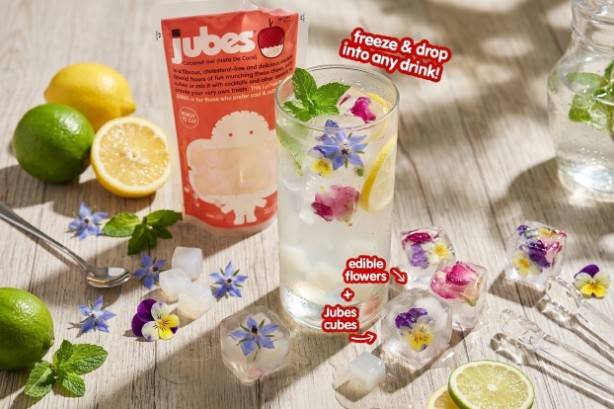
The magic of Jubes coconut gel is its flexibility. Drop coco jelly into sparkling water and watch the cubes float and bob like tiny jewels. Layer them into yogurt for a textural contrast that makes every spoonful interesting. Add them to smoothies, iced teas, or homemade boba drinks as next-level drink add ins. Use them as dessert toppers over shaved ice or fruit bowls. Eat them straight from the cup, one bouncy cube at a time, because sometimes the snack is already perfect as is.
Where to Find Jubes Coconut Gel and Join the Juicy Cubes Movement
Jubes juicy cubes are available on the Jubes website, Amazon, TikTok Shop, El Super, and Asian markets across the US. Retailers and food distributors looking to stock these products can explore sourcing through Jans Food USA, a trusted Asian food supplier connecting US retailers with high-quality Asian food brands. Whether you are a consumer discovering this for the first time or a buyer looking to bring the chewy coconut snack trend to your shelves, the entry point is right here.
FAQ
What makes chewy and bouncy textures so satisfying to eat and why are they trending in 2026?
Chewy and bouncy textures activate sustained sensory responses that make food feel more rewarding. The food texture trends of 2026 reflect a broader sensory food experience movement where feel rivals flavor as the primary draw. Social platforms amplified this by making satisfying textures visible and shareable, turning personal pleasure into a collective craving.
What is nata de coco and how is it different from regular jelly or tapioca pearls?
Nata de coco is a chewy coconut snack made from fermented coconut water, formed into small cubes with a uniquely springy, bouncy jelly texture. Unlike regular jelly, it does not dissolve quickly. Unlike tapioca pearls, it is lighter and more translucent. It occupies its own textural category, which is a big part of why it has become such a standout in the chewy drink toppings space.
Can I use coconut jelly cubes as drink add ins at home outside of boba shops?
Absolutely. Coconut jelly cubes work beautifully as drink add ins in sparkling water, iced tea, lemonade, or homemade boba drinks. Jubes coconut gel is ready to eat straight from the cup, making home use effortless. This accessibility is part of what makes Jubes a leader in the boba adjacent snacks category for everyday consumers.
Where can retailers or food distributors buy Jubes nata de coco in bulk for stocking in stores?
Retailers and food distributors interested in carrying Jubes products can connect through Jans Food USA, an established Asian food supplier serving wholesale distributors and buyers across the US market. Jans Food USA works with Asian food distributors to bring trending products like Jubes into mainstream retail. Visiting jansfood.com is the recommended starting point for B2B inquiries.
Where can I buy Jubes coconut jelly cubes in the US and what flavors are available?
Jubes nata de coco is available in five flavors: Original, Mango, Lychee, Strawberry, and Grape. You can find Jubes coconut jelly on the official Jubes website, Amazon, TikTok Shop, El Super, and select Asian markets. The variety of flavors makes it easy to explore the full spectrum of the juicy cubes experience and find your personal favorite texture snacking companion.
