

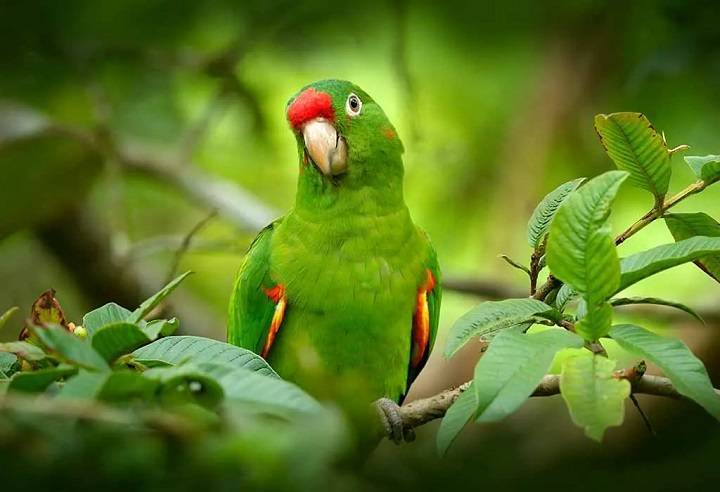
Birds, with their vast diversity in species and habits, are a remarkable group of creatures that have intrigued humans for centuries. Their unique diets, shaped by evolution and habitat, are a testament to their adaptability. While many birds thrive on a diet of seeds, fruits, and insects, the question of what foods are harmful to birds is equally important.
In this comprehensive guide, we will delve into the topic of foods that can be detrimental to birds, exploring the risks they pose and how we can contribute to the well-being of our avian friends.
Understanding Bird Diets
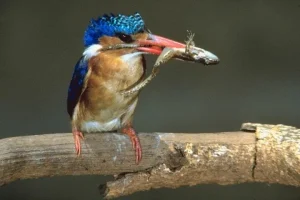
Before we explore harmful foods for birds, it’s essential to have a basic understanding of their dietary habits. Birds exhibit a wide range of feeding behaviors, which can be categorized into several groups:
- Herbivores: Herbivorous birds primarily consume plant matter such as seeds, fruits, leaves, and flowers. Examples include finches, sparrows, and pigeons.
- Insectivores: Insectivorous birds rely mainly on insects and other small invertebrates as their primary food source. They have specialized beaks and hunting techniques to capture their prey. Examples include swallows, warblers, and flycatchers.
- Carnivores: Carnivorous birds, such as raptors and owls, are adept at hunting and eating other animals, including rodents, birds, and fish. They possess sharp beaks and talons for catching and consuming their prey.
- Omnivores: Omnivorous birds have a versatile diet that includes both plant and animal matter. Common omnivorous birds include crows, jays, and gulls.
- Scavengers: Scavenger birds feed on carrion, or the carcasses of dead animals. Vultures and certain species of eagles are well-known scavengers.
Now that we have an overview of bird diets, let’s explore the foods that can harm them:
- Bread: Feeding bread to birds is a common practice, especially in urban areas. However, bread offers little to no nutritional value and can fill up a bird’s stomach without providing essential nutrients. This can lead to malnutrition and weaken the birds.
- Processed Foods: Items like chips, crackers, and sugary snacks are not suitable for birds. These foods lack the nutrients birds need and can lead to obesity and other health issues.
- Salt: Excess salt is harmful to birds, just as it is to humans. Foods high in salt, such as salty pretzels or processed meats, can disrupt a bird’s electrolyte balance and lead to health problems.
- Avocado: Avocado contains a substance called persin, which can be toxic to birds. While the flesh of the fruit is less harmful, the pit and skin are the most dangerous parts. It’s best to avoid feeding avocados to birds altogether.
- Alcohol: Alcohol is toxic to birds, and even small amounts can cause serious harm. Birds lack the ability to metabolize alcohol, leading to alcohol poisoning.
- Chocolate: Chocolate contains theobromine, which is toxic to birds. Consumption of chocolate can lead to vomiting, diarrhea, seizures, and even death in birds.
- Caffeine: Caffeine, found in coffee, tea, and some soft drinks, is harmful to birds. It can cause heart problems, hyperactivity, and even death if ingested in significant amounts.
- Dairy Products: Birds are generally lactose intolerant, and dairy products like milk and cheese can cause digestive issues, including diarrhea.
- Moldy Food: Moldy bread, fruits, or other foods can contain harmful mycotoxins that are detrimental to birds’ health. Avoid feeding them moldy items.
- Fruit Pits and Seeds: While some fruits are safe for birds, certain pits and seeds contain cyanide compounds that can be toxic. Examples include apple seeds and cherry pits. It’s best to remove these parts before offering fruits to birds.
- Spoiled Food: Food that has gone bad or become spoiled can contain harmful bacteria that can make birds sick. Always provide fresh and safe food.
- Spicy Foods: Birds lack taste receptors for capsaicin, the compound that makes chili peppers spicy. Feeding them spicy foods can cause discomfort and digestive problems.
- Raw Eggs: Raw eggs may contain salmonella bacteria, which can be harmful to birds. If you want to offer eggs to birds, it’s safer to provide cooked eggs.
- Medications: Never give human medications to birds without consulting a veterinarian. Many human medications can be toxic to birds.
- Nicotine: Nicotine is toxic to birds and can be found in tobacco products. Keep smoking materials away from areas frequented by birds.
- Alcohol-Soaked Bread: Some individuals have been known to soak bread in alcohol to attract birds, especially pigeons. This practice is extremely harmful and should be avoided at all costs.
Why Avoid Harmful Foods for Birds?
Feeding birds the wrong foods can have serious consequences. Here are some reasons why it’s important to avoid harmful foods:
- Malnutrition: Ingesting foods with low or no nutritional value can lead to malnutrition in birds, weakening their overall health.
- Obesity: High-calorie, low-nutrient foods like bread and processed snacks can cause obesity in birds, leading to various health issues.
- Digestive Problems: Many human foods are difficult for birds to digest, leading to digestive problems like diarrhea and vomiting.
- Toxicity: Some foods contain toxic substances that can harm birds, leading to illness or death.
- Disruption of Natural Diet: Feeding birds inappropriate foods can disrupt their natural dietary preferences and lead to imbalances in local ecosystems.
- Attraction of Pests: Leaving out foods that attract birds can also attract unwanted pests like rodents and insects.
Also Read:
- Cracking the Mystery: How Long Does It Take for Duck Eggs to Hatch?
- Unlocking the Egg-Laying Mystery: When Do Ducks Start Laying Eggs?
How to Help Birds Instead
If you want to support and help birds, there are several safe and beneficial ways to do so:
- Provide Fresh Water: A clean source of freshwater is crucial for birds, especially during dry seasons. Bird baths and small ponds can attract a variety of avian visitors.
- Offer Bird Feeders: Consider setting up bird feeders with appropriate seeds, such as sunflower seeds or thistle, to attract local bird species. Make sure to clean and maintain the feeders regularly.
- Plant Native Plants: Landscaping with native plants can provide birds with natural food sources, including fruits, nectar, and insects.
- Create Nesting Sites: Installing nest boxes or providing suitable nesting materials can encourage birds to make your property their home.
- Reduce Pesticide Use: Minimize the use of pesticides in your garden or yard to protect insects that birds rely on for food.
- Safe Treats: If you’d like to offer treats to birds, opt for safe options like unsalted peanuts, mealworms, or bird-specific treats from reputable sources.
- Observation: Simply observing and enjoying the presence of birds in their natural environment can be a wonderful way to appreciate these creatures.
Birds are a vital part of our ecosystem, playing essential roles in pollination, seed dispersal, and insect control. To ensure the well-being of our avian friends, it’s crucial to understand what foods are harmful to birds and avoid feeding them items that can be detrimental to their health.
