


Birds, with their diverse and captivating characteristics, inhabit various ecosystems, enriching the world with their presence. Their adaptability extends not only to their diets but also to their interactions with the environment.
This comprehensive guide delves into what smells will keep birds away, exploring the olfactory aspects that influence bird behavior and how certain scents can serve as effective deterrents.
The Sensory World of Birds
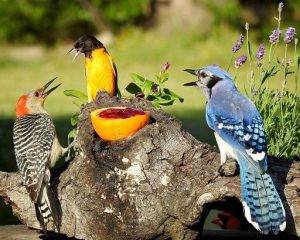
Before delving into the scents that repel birds, let’s briefly explore the sensory world of our avian friends. Birds, like many other creatures, rely on their senses to navigate and interact with their environment. While vision is a dominant sense for many birds, their sense of smell is also highly developed, playing a crucial role in various aspects of their lives, including foraging, navigation, and communication.
Birds possess olfactory receptors in their nasal passages, allowing them to detect a wide range of scents in their surroundings. This keen sense of smell helps birds locate food sources, identify potential mates, and even recognize predators. For certain species, such as seabirds and vultures, the ability to detect odors is particularly important for locating food over vast distances.
In addition to aiding in finding food, a bird’s sense of smell also contributes to navigation during migration. Some species can detect airborne chemical cues that help them orient themselves and navigate along their migratory routes. This ability is especially useful when traveling long distances across unfamiliar terrain or over open water.
Furthermore, scent plays a role in communication among birds. They use pheromones and other chemical signals to convey information about territory boundaries, reproductive status, and social hierarchies. By detecting these scents, birds can assess the presence of other individuals and adjust their behavior accordingly.
Familiar Smells that Deter Birds
Predator Scents:
Birds instinctively avoid areas where they sense the presence of predators. Utilizing predator scents, such as those of birds of prey or other natural avian predators, can create a perception of danger, deterring birds from the area. Commercially available predator scent repellents mimic the odor of these predators, signaling potential danger to birds.
Citrus Scents:
Citrus scents, derived from fruits like lemons, oranges, and grapefruits, are unpleasant for many birds. Spraying citrus-scented solutions or placing citrus peels in areas where birds are not welcome can discourage them from lingering. The strong and sharp citrus aroma can interfere with a bird’s olfactory receptors, making the area less appealing.
Peppermint and Menthol:
The robust and minty aroma of peppermint and menthol can be effective in repelling birds. These scents are often used in the form of essential oils or sprays. Placing cotton balls soaked in peppermint oil near bird-prone areas can create an environment that birds find inhospitable.
Vinegar:
The pungent smell of vinegar is another aversion for birds. A mixture of water and vinegar sprayed in specific areas can deter birds from roosting or nesting. However, avoiding direct contact with birds is essential, as vinegar can harm their feathers.
Chili Pepper:
The heat of chili peppers, whether in powder or liquid form, can be an effective bird deterrent. Birds find the spicy scent and taste unpleasant, making areas treated with chili pepper less attractive. This method is commonly used to protect crops and outdoor spaces from bird intrusion.
Factors Influencing Bird Aversion to Smells
Several factors contribute to the effectiveness of scents in repelling birds:
- Concentration and Frequency:
The concentration of the scent and how frequently it is applied play a crucial role. Higher concentrations and consistent application are more likely to have a lasting deterrent effect.
- Species-Specific Reactions:
Different bird species may react differently to various scents. Some may be more sensitive to certain odors than others. Understanding the specific birds you want to deter can help tailor your approach.
- Environmental Conditions:
Weather conditions, such as wind and rain, can affect the dispersal and longevity of scents. It’s essential to consider the local climate when implementing scent-based bird deterrents.
- Adaptation Over Time:
Birds may become accustomed to certain scents over time. To maintain the effectiveness of repellents, it’s advisable to change the type of scents used periodically.
FAQs: Using Scents to Keep Birds Away
Are these scents harmful to birds?
In controlled concentrations, the scents mentioned are generally considered safe for birds. However, direct contact should be avoided, and monitoring bird behavior is essential to ensure their well-being.
How long does the deterrent effect last?
The duration of the deterrent effect varies based on factors such as weather conditions, application frequency, and bird species. Regular reapplication may be necessary for sustained effectiveness.
Can these scents be used indoors?
While some scents may be suitable for indoor use, it’s crucial to consider the well-being of both humans and pets. Proper ventilation is important, and direct exposure to concentrated scents should be minimized.
Do these scents harm plants or other wildlife?
The scents mentioned are generally safe for plants and wildlife in moderate concentrations. However, testing a small area before widespread application is advisable, especially in gardens or natural habitats.
Are there specific scents for particular bird species?
Some bird species may have specific aversions or attractions to certain scents. Researching the habits and preferences of the target bird species can help determine the most effective scents.
Related Post:
Exploring the Enigmatic Ancona Duck: A Quirky, Beautiful, and Versatile Breed
Exploring the Fascinating World of Male, Female, and Male Muscovy Ducks
Exploring Duck-Chicken Compatibility: Can They Coexist?
As we navigate the delicate balance between coexisting with birds and protecting our spaces, understanding the olfactory preferences of these winged creatures becomes essential. The diverse array of scents discussed in this guide offers a range of options for individuals seeking humane and effective methods to keep birds away.
Whether you’re a gardener aiming to protect your crops, a homeowner preventing bird damage to your property, or simply someone fascinated by the intricate world of avian behavior, incorporating bird-deterrent scents into your strategy can contribute to a harmonious coexistence with our feathered friends. As we continue to explore and respect the sensory realms of birds, we enhance our ability to create spaces welcoming to humans while allowing birds to thrive in their natural habitats.
