

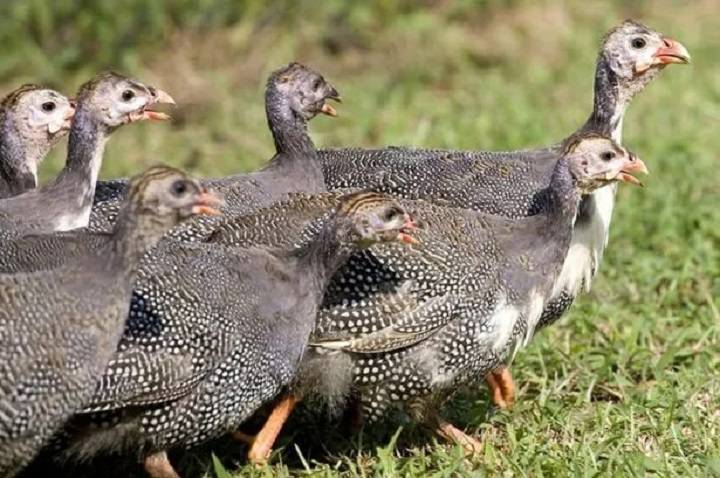
Balconies offer a serene escape with their open spaces and inviting atmosphere. However, when our feathered friends decide to make the balcony their hangout, it can lead to various challenges. This comprehensive guide will explore practical strategies for keeping birds off your balcony, ensuring a harmonious coexistence between the avian world and your outdoor retreat.
Understanding the Appeal: Why Birds Choose Balconies
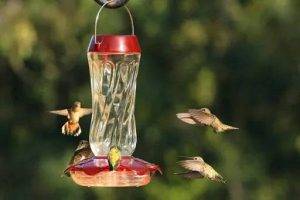
Before we delve into the strategies for keeping birds away, we must understand why balconies might be attractive to our avian companions.
Nesting Opportunities:
Balconies often provide sheltered spots that birds find appealing for nesting. The elevated and secluded nature of balconies mimics natural nesting sites, making them attractive to birds seeking a haven for raising their young.
Food Sources:
Balconies may unintentionally offer food sources that attract birds. Whether crumbs, leftover pet food, or accessible plants with seeds, these unintentional offerings can turn your balcony into a dining spot for local bird populations.
Shelter from Elements:
Balconies can serve as a refuge from harsh weather conditions. Birds may seek shelter on balconies during storms or extreme temperatures, viewing these spaces as safe havens.
Also Read:
Step-by-Step Guide: How to Keep Birds off Your Balcony
Remove Food Sources:
To discourage birds from frequenting your balcony, eliminate potential food sources. Clean up crumbs, securely store pet food, and avoid leaving exposed food items on outdoor furniture. By removing the allure of readily available snacks, you make your balcony less appealing to hungry birds.
Utilize Scare Tactics:
Incorporate scare tactics to create an unwelcome environment for birds. Hang reflective objects, such as CDs or aluminum foil strips, to create flashes of light that can startle and deter birds. Motion-activated devices or predator decoys, like fake owls or snakes, can also be effective in deterring unwanted avian visitors.
Install Physical Barriers:
Create physical barriers to restrict bird access to your balcony. Netting is a practical solution that allows airflow while preventing birds from landing. Ensure that the netting is securely fastened to avoid entanglement risks for birds. Mesh screens or wire barriers can also be installed to limit access points.
Choose Bird-Resistant Plants:
Opt for plants that are less attractive to birds. Some bird species are drawn to balcony greenery, especially if it provides potential nesting sites or edible fruits. Research bird-resistant plants and incorporate them into your balcony garden to minimize avian interest.
Apply Repellents:
Consider using bird repellents to discourage birds from landing on your balcony. Commercial repellent sprays with non-toxic ingredients can create surfaces that birds find unappealing. Ensure that the repellent is safe for both birds and the environment.
Play Bird-Alarm Sounds:
Birds are highly attuned to the sounds of their surroundings. Playing recorded bird-alarm sounds or predator calls can signal danger to visiting birds, making them more hesitant to settle on your balcony. Ensure that the volume is not disruptive to neighbors or other wildlife.
Adjust Lighting Conditions:
Birds are less likely to frequent well-lit areas during the night. Adjust the lighting conditions on your balcony by using motion sensor lights or timers to create an environment that is less inviting for nocturnal visitors.
Implement Wind Chimes:
Wind chimes not only add a decorative element to your balcony but also produce sounds that can deter birds. The unpredictable sounds created by wind chimes disrupt the tranquility birds seek, making your balcony less appealing as a resting spot.
FAQs: Addressing Common Concerns About Bird Deterrence
Will deterrents harm the birds?
Efforts to keep birds off your balcony should prioritize their safety. Choose non-toxic repellents and humane deterrent methods to avoid causing harm to the birds. Physical barriers like nets should be installed carefully to prevent entanglement risks.
How long does it take for deterrents to be effective?
The effectiveness of deterrent methods can vary. Some birds may be quick to adapt, while others may take more time to change their behavior. Consistency in implementing deterrents is key to achieving lasting results.
What if birds are protected species?
If the birds frequenting your balcony are protected species, it’s crucial to adhere to legal guidelines. Consult local wildlife authorities or bird conservation organizations for guidance on humane and legal deterrent methods.
Can I still enjoy birdwatching without them on my balcony?
Absolutely! Create a bird-friendly environment nearby, such as installing bird feeders or birdbaths in a designated area. This allows you to appreciate the beauty of birds without compromising the comfort of your balcony space.
Do certain colors attract or repel birds?
While there’s no definitive evidence that specific colors universally attract or repel birds, reflective surfaces or bright colors used in scare tactics can startle and deter them. Experiment with different visual deterrents to find what works best for your situation.
As we navigate the delicate balance of cohabiting with nature, finding ways to peacefully share our living spaces with birds is a rewarding endeavor. By understanding their motivations and implementing thoughtful deterrent strategies, we can create a harmonious environment that allows both humans and birds to enjoy the beauty of outdoor spaces.
So, the next time you step onto your balcony, envision a space where the gentle rustle of leaves and the occasional chirp of distant birds complement the tranquility of your outdoor haven—a space carefully curated for both you and your feathered neighbors to relish.
