

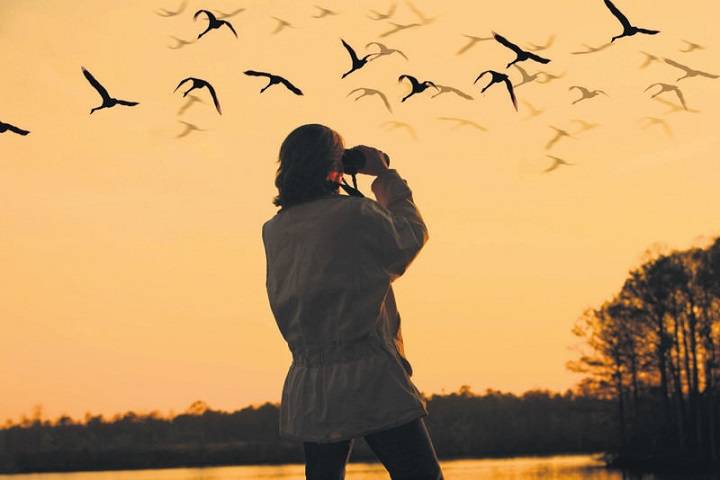
Bird watching, also known as birding, is a beloved pastime enjoyed by millions of enthusiasts worldwide. From the serene tranquility of observing birds in their natural habitats to the thrill of spotting rare and elusive species, bird watching offers a rewarding and immersive experience for nature lovers of all ages. In this blog post, we delve into the captivating world of bird watching, exploring its history, techniques, and the vibrant community of avian enthusiasts known as birders.
The Origins of Bird Watching:
Bird watching has a long and storied history, dating back centuries to ancient civilizations that revered birds for their beauty, song, and symbolism. In ancient Egypt, birds were associated with deities such as Horus and Thoth and were depicted in art and hieroglyphics. Similarly, in ancient Greece and Rome, birds were revered as symbols of divine messengers and omens, with the study of birds known as ornithology. However, it wasn’t until the late 18th and early 19th centuries that bird watching as a recreational activity began to gain popularity among naturalists and enthusiasts.
Techniques and Equipment:
Bird watching requires patience, keen observation skills, and the right equipment to enhance the experience. Binoculars are an essential tool for birders, allowing them to observe birds from a distance without disturbing them. A field guide, which contains illustrations, descriptions, and distribution maps of bird species, is invaluable for identifying birds in the field. Other useful equipment includes a notebook for recording observations, a camera for capturing photos, and a smartphone with birding apps for accessing bird calls, sightings, and identification tips.
Birding Hotspots:
Bird watching can be enjoyed in a variety of habitats, from urban parks and suburban backyards to remote wilderness areas and coastal wetlands. Birding hotspots, which are areas known for their high bird diversity and abundance, attract birders from around the world seeking to observe rare and migratory species. Popular birding destinations include national parks, wildlife refuges, bird sanctuaries, and designated Important Bird Areas (IBAs) recognized for their conservation significance.
Birding Ethics and Conservation:
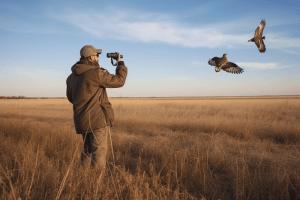
As stewards of the environment, birders play a crucial role in bird conservation and habitat protection. Ethical birding practices, such as respecting wildlife, minimizing disturbance, and following local regulations and guidelines, are essential for minimizing human impact on bird populations and their habitats. Additionally, birders can contribute to citizen science projects, such as bird counts and monitoring programs, to collect data on bird populations and assist in conservation efforts.
Birding Challenges and Rewards:
While bird watching can be a relaxing and enjoyable activity, it also comes with its share of challenges and rewards. Spotting and identifying birds in the field can be challenging, especially for beginners, who may struggle with distinguishing between similar species or identifying birds by their calls and behaviors. However, the sense of accomplishment and excitement that comes from spotting a rare or elusive species is unmatched, making bird watching a deeply rewarding and fulfilling hobby.
Bird Watching
Bird watching is not just a solitary pursuit but a vibrant community of enthusiasts united by their shared passion for birds and nature. Birding clubs, organizations, and online forums provide opportunities for birders to connect, share experiences, and learn from one another. Birding festivals, workshops, and guided tours offer opportunities for birders to explore new habitats, meet like-minded individuals, and deepen their knowledge of birds and their habitats.
Related Post:
Cracking the Mystery: How Long Does It Take for Duck Eggs to Hatch?
Unlocking the Egg-Laying Mystery: When Do Ducks Start Laying Eggs?
Choosing the Perfect Pet Duck: A Comprehensive Guide
In conclusion, bird watching is a rewarding and enriching hobby that offers a unique opportunity to connect with nature, observe wildlife, and foster a deeper appreciation for the natural world. Whether enjoyed casually in the backyard or pursued with passion and dedication in remote wilderness areas, bird watching offers endless opportunities for exploration, discovery, and wonder. By embracing the joy of bird watching and sharing our experiences with others, we can inspire future generations to appreciate and protect the birds that enrich our lives and our planet.
