

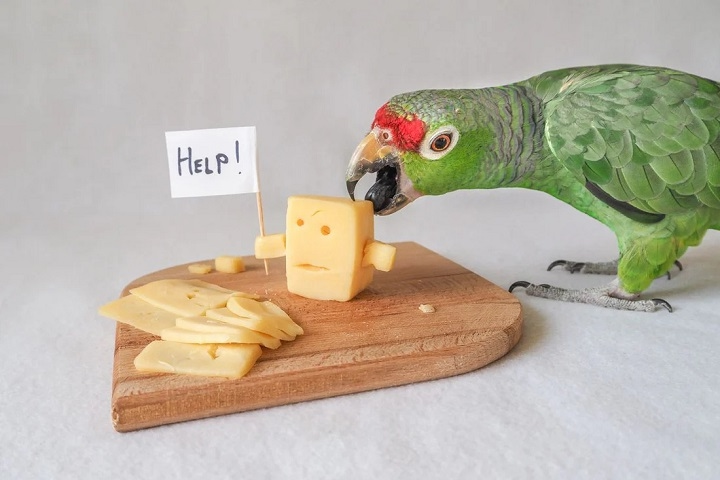
If you love feeding birds and want to share a snack, you might wonder: Can birds have cheese? The answer is yes—but with caution. Birds can eat small amounts of certain types of cheese, but not all cheese is suitable, and overfeeding can lead to health issues. Like with any treat, moderation and the right type make all the difference.
Do Birds Naturally Eat Dairy?
In the wild, birds don’t consume dairy products because they lack lactase, the enzyme needed to properly digest lactose (the sugar found in milk). However, not all dairy foods are created equal—some cheeses are low in lactose, making them a safer option in tiny amounts.
Cheese Types That Are Safer for Birds
Some cheeses are naturally lower in lactose and can be given occasionally as a treat:
- Cheddar
- Mozzarella (low-moisture)
- Swiss
- Parmesan
- Cottage cheese (unsalted, small amounts)
Always offer cheese that is plain, unsalted, and unseasoned. Avoid cheese with garlic, onion, herbs, or any additives.
How to Offer Cheese to Birds
Small Quantities Only
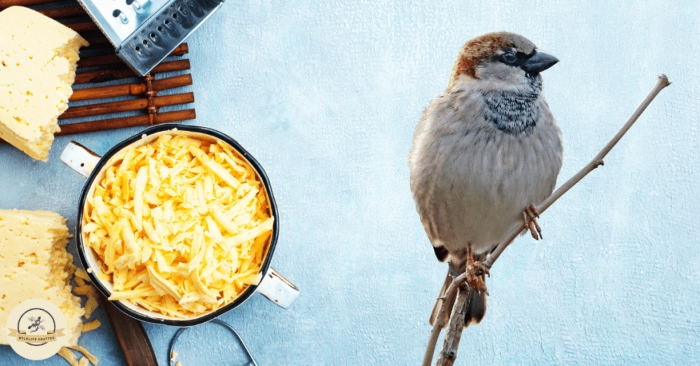
Cut the cheese into very small pieces or finely shred it. A little goes a long way, especially for smaller birds like finches or sparrows.
Mix It With Other Foods
Sprinkle a tiny amount of cheese on birdseed or suet cakes. It adds variety without overwhelming their natural diet.
Avoid Processed Cheese Products
Stay away from processed cheese slices, cheese spreads, or anything with preservatives and artificial flavors. These are unhealthy even in small doses.
Which Birds May Enjoy Cheese?
Many omnivorous birds enjoy cheese when offered sparingly, including:
- Blue jays
- Starlings
- Robins
- Crows
- Magpies
- Woodpeckers
These birds are known to eat a wide variety of foods, including insects, seeds, fruits, and even kitchen scraps.
Types of Cheese to Avoid
Some cheeses should never be offered to birds due to high salt or lactose content:
- Blue cheese – may contain mold harmful to birds
- Brie or Camembert – high in fat and moisture
- Flavored cheeses – spices and herbs can be toxic
- Highly processed cheeses – loaded with sodium and chemicals
Why Moderation Matters
Feeding birds too much cheese can lead to:
- Digestive upset – birds can’t properly break down lactose
- Obesity – high fat content adds unnecessary calories
- Nutritional imbalance – too many treats may distract birds from eating seeds, grains, and insects that are essential to their health
Is Cheese Safe for Pet Birds?
If you own pet birds like parrots, cockatiels, or budgies, you might be tempted to share a bite of your snack. You can—very occasionally and in tiny amounts. Offer plain cheese as a rare treat, not a regular part of their diet.
Always monitor for any signs of digestive trouble like runny droppings or lack of appetite after introducing something new.
Alternatives to Cheese for Bird Treats
If you’re looking for healthy bird treat options, try:
- Fresh fruits like apple (no seeds), banana, or berries
- Unsalted nuts and seeds
- Cooked brown rice or oatmeal
- Mealworms or insects (for omnivorous birds)
- Suet or bird-safe peanut butter
So, can birds have cheese? Yes, but only in small, plain, and carefully chosen amounts. Cheese can be an occasional treat for wild or pet birds, especially when you’re trying to offer variety in their diet. Just remember to avoid salty, processed, or flavored varieties, and always feed in moderation. When in doubt, stick to natural foods birds are used to in their environment for a happy and healthy flock.
