

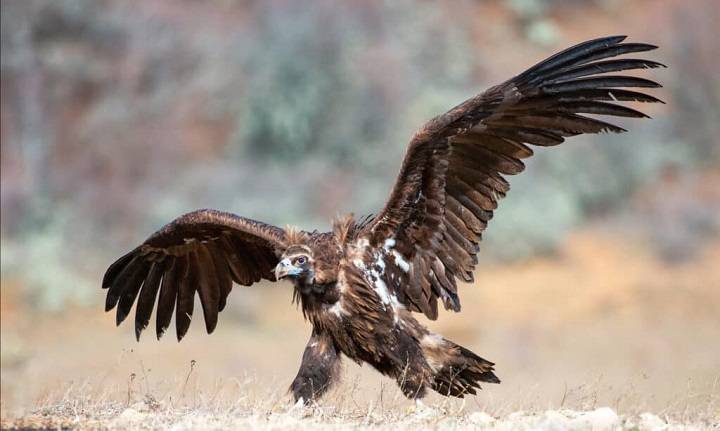
Have you ever pondered the intricate web of nature’s food chain, particularly when it comes to our feathered friends? With their melodic songs and graceful flights, birds share a world fraught with peril.
In this extensive guide, we’ll take flight into the avian culinary landscape, exploring the predators that lurk in the shadows, waiting for the opportune moment to strike.
So, fasten your seatbelt as we soar into the fascinating world of bird predators.
Natural Habitat and Distribution of Bird Predators
Bird predators, equipped with keen eyesight, powerful talons, and razor-sharp beaks, inhabit various ecosystems worldwide. From dense forests to open grasslands, these hunters have adapted to diverse environments, ensuring a widespread distribution.
The Raptors: Masters of the Skies
One group that stands out among bird predators is the raptors. Majestic eagles, cunning hawks, and stealthy owls dominate the skies, preying on various birds, mammals, and even reptiles. Understanding their habitats and hunting techniques offers insights into their role in the intricate balance of nature.
Physical Characteristics of Bird Predators
Bird predators exhibit a range of adaptations that make them formidable hunters. From specialized beaks for tearing flesh to talons designed for gripping and killing, these features distinguish them as carnivorous specialists in the avian realm.
Why Do Birds Become Prey?
Birds fall prey to various predators for reasons ranging from survival instincts to the simple need for sustenance. Factors such as habitat, behavior, and size play crucial roles in determining which birds become targets for predators.
The Vulnerable Flock
Certain bird species are more susceptible to predation based on size, behavior, and nesting habits. Ground-nesting birds, for instance, face increased risks from ground-dwelling predators, while small songbirds may fall victim to aerial hunters.
Notable Bird Predators Around the World
The Hunters’ Gallery
- Bald Eagles (Haliaeetus leucocephalus): Known for their iconic appearance and impressive size, bald eagles are formidable hunters, often preying on fish and waterfowl.
- Peregrine Falcons (Falco peregrinus): Renowned for their incredible speed, peregrine falcons are adept at catching other birds mid-flight, making them the fastest animals in the world.
- Great Horned Owls (Bubo virginianus): With powerful talons and exceptional nocturnal vision, great horned owls are skilled hunters, targeting a variety of prey, including other birds.
- Cooper’s Hawks (Accipiter cooperii): Adapted for maneuvering through dense vegetation, Cooper’s hawks are skilled ambush predators, preying on smaller birds.
- Cats (Felis catus): Domestic cats, though not native predators, have become significant threats to bird populations, particularly in urban and suburban areas.
Superior Hunting Techniques
Bird predators employ a range of hunting techniques, from hawks’ aerial acrobatics to owls’ silent night-time pursuits. Understanding these strategies provides a glimpse into the complexity of predator-prey relationships in the avian world.
The Dance of Survival
The relationship between bird predators and their prey is a delicate survival dance. While predators must secure sustenance to thrive, prey species develop strategies to evade detection and escape their hunters.
Also Read:
- Exploring Nocturnal Forest Birds: Mysteries of the Night
- Exploring the Coolest Birds: Nature’s Avian Marvels
Mitigating the Impact of Predation on Bird Populations
While predation is a natural and necessary part of the ecosystem, human activities can sometimes exacerbate its impact. Conservation efforts often focus on preserving habitats, managing invasive species, and implementing measures to reduce threats to vulnerable bird populations.
In the vast tapestry of nature, the story of bird predators and their prey is an age-old narrative of survival, adaptation, and the eternal struggle for life. From the awe-inspiring flight of raptors to the stealthy prowling of ground-based hunters, each species uniquely maintains the delicate balance of ecosystems.
So, the next time you hear the distant call of an owl or witness the majestic flight of a raptor overhead, marvel at the intricacies of the avian world. For in the realm of bird predators and their prey, every winged creature contributes to the symphony of nature, where survival and sustenance intertwine in the eternal dance of life.
