


Bird nests are tiny wonders. Branches, grass, mud, and even feathers stitched together. They provide protection for eggs and young chicks from the outside world and predators. Every year, we see birds making new nests each spring. But when spring’s passed and chicks flown the coop, humans are left to ponder: do birds reuse nests?
The answer is not that simple. Some birds recycle a nest. Some build upon others they did not build. Some just leave them. It depends upon the bird, how worn down the nest is, and the risk factor.
This handbook will walk you through the world of bird nesting habits. We’ll see which birds reuse nests, why most create new ones, what happens to old nests, and how people can help. When you’re finished, you’ll be far more knowledgeable on how birds get ready for the young each year.
Do Birds Reuse Nests?
Yes, but not necessarily the same. Small birds tend to build a new nest each year. They need a new, clean start. Bigger birds, like eagles and herons, reuse the same nest year after year. Swallows and owls go back to their old spots as well.
It’s safety, cleanliness, and habit. A dirty nest with parasites is dangerous. A good nest in a good spot is worth keeping.
Why Most Birds Don’t Reuse Nests
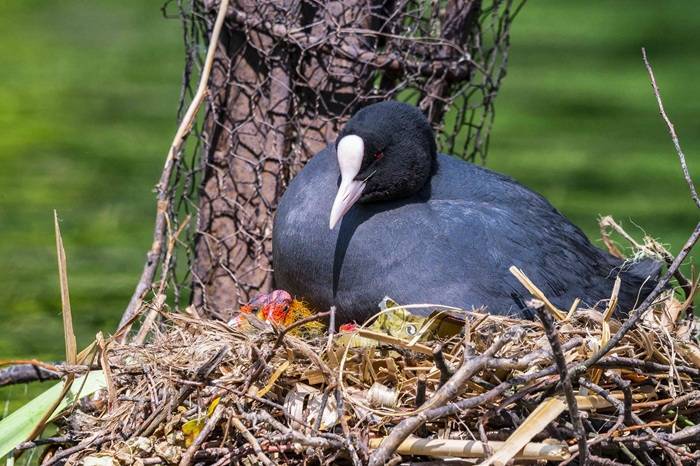
- Parasites and Disease
Nests get dirty in a hurry. There are crumbs, droppings, and eggshell fragments behind them. Mites, lice, fleas, and bacteria adore them. When chicks are reused in such nests, it puts small birds at risk. - Weather Damage
Wind and rain stress nests. Too many of them get too stressed when time is up to hold eggs again. - Predators
Old nests are accessible. Predators like snakes, squirrels, and raccoons do possess memory. Constructing a new nest somewhere else minimizes risk. - Instinct to Build
In the majority of birds, construction of a new nest each year is a courtship act. Males collect twigs. Females form them. Participating in the act itself strengthens couple relationships.
Birds That Frequently Reuse Nests
- Eagles
Golden and bald eagles reuse nests from one year to the next. They actually seem to add an extra new stick each year. Nests are enormous, weighing a ton. These “aeries” last for decades. - Ospreys
Ospreys reuse their platforms as well. They reuse the same tall tree or manmade platform from one year to the next and add new material. - Herons and Egrets
Colonial waterbirds reuse nesting trees. They add old or new nests on them. - Swallows
Barn swallows and cliff swallows reuse nests made of mud. They repair and patch them. Colonies as a whole will frequently come back to the same locations. - Owls
Some owls will reuse existing nests of other birds. Great horned owls will often reuse old hawks or crow nests. - Hawks
Red-tailed hawks recycle big stick nests on a regular basis. Like eagles, they just add to them.
Birds That Rarely Reuse Nests
- Robins
American robins almost always rebuild new nests. Old nests are dirty and weak. They will reuse the same spot but not the same nest at times. - Sparrows
House sparrows will sometimes reuse the same spot but rebuild quite a bit. Their nests fall apart too quickly. - Chickadees and Wrens
These cavity-nesting birds will even reuse fresh material when reusing a box or hole. - Hummingbirds
Tiny hummingbird nests are constructed and destroyed. The females rebuild them with new ones every year.
Do Birds Reuse Nests in Birdhouses?
Sometimes, yes. Birds that nest in cavities—bluebirds, chickadees, wrens—will occupy old birdhouses. But they will usually incorporate new material or destroy it and begin anew.
It is best for human beings to clean out nest boxes at the end of each season. This breaks up parasites and brings birds back to them.
What Happens to Old Nests?
- Natural Decay
Rain, wind, and snow deteriorate nests. Materials will eventually disintegrate and turn into soil. - Other Birds Move In
Some birds reuse old nest material. Sparrows reuse grass. Wrens reuse feathers. - Humans Notice
Humans typically recognize bare nests on winter trees. They are the indicator of spring activity.
Regional Variations in Nest Reuse
Birds elsewhere behave differently.
- Tropical birds: Can recycle nests since parasites are not that seasonal and food is present every season of the year.
- Temperate birds: Typically build new nests since winters are responsible for breaking down old nests.
- Desert birds: Recycle protected nests at times in a bid to conserve energy and resources.
Human Impact on Nest Recycling
Urbanization changes nesting sites. Birds will reuse locations on buildings, light posts, and ledges. Pigeons, for example, will often reuse exactly the same spot over and over.
Birdhouses in backyards encourage recycling, especially if the boxes are cleaned out. But disturbance will discourage birds too. It is best to leave nest sites alone.
Table: Do Birds Recycle Nests?
| Bird Species | Reuse Nests? | Notes |
| Bald Eagle | Yes | Adds new sticks each year |
| Osprey | Yes | Reuses platform or tall tree nest |
| Heron/Egret | Yes | Repairs colony nests |
| Barn Swallow | Yes (repairs) | Often reuses mud nests |
| Great Horned Owl | Yes (other) | Inherits hawk or crow nests |
| Red-tailed Hawk | Yes | Tries to add to same nest annually |
| Robin | Rarely | Usually rebuilds annually |
| Sparrow | Occasionally | Often revamps with new material |
| Hummingbird | No | Nests too fragile to reuse |
| Chickadee/Wren | Occasionally | May reuse cavities but not lining |
Nest Reuse and Bird Parenting
Nest recycling conserves energy for certain birds. Eagles with huge nests will spend energy on new nests. Swallows need secure mud homes on cliffs or barns.
For small songbirds, new nests are a matter of safety. A fresh start means less chance of mites or predators. Parental choices balance energy against risk.
Do Birds Reuse Nests During the Same Season?
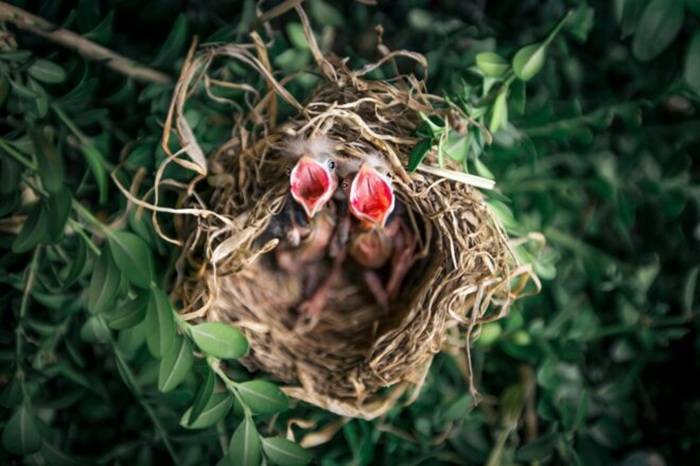
Yes, they do. After the first brood has been successful, certain birds will even start a second brood in the first nest. Bluebirds, wrens, and swallows do it as a rule.
Others, robins for example, will build a whole new nest next to the first one instead of reusing the first one.
Stories From the Field
- Alaskan scientists found an eagle’s nest over 100 years old and still in use by generations.
- Bluebirds in a suburban garden reused the same nest box three times during a summer.
- A barn swallow flock came back year by year to refurbish mud nests in the same bridge.
Such stories illustrate the ways in which habits vary but also the power of the place instinct.
How People Can Help
- Clean birdhouses each fall. Remove old material to discourage parasites.
- Provide nesting material such as twigs and pet hair during spring.
- Respect breeding grounds. Avoid disturbing used sites.
- Preserve trees with reused frequent nest locations of large birds. Hawks and eagles need stability.
Human beings can promote healthier bird communities by understanding nest behavior.
Conservation Notes
Reuse nesting behavior can influence conservation. Eagle nest preservation maintains long-term family spaces. Swallow colony preservation maintains barns and bridges. Habitat with high twig and grass density for small birds maintains new nests each spring.
These cycles are endangered by climate change, storms, and habitat loss. Assisting to keep birds in backyards and neighborhoods is beneficial.
Frequently Asked Questions About Do Birds Reuse Nests
Q1. Do all birds reuse nests?
No. Eagles and swallows do. Most small songbirds build new ones.
Q2. Why do robins not reuse nests?
Their nests are dirty and fall apart, and thus unsafe for new broods.
Q3. Do owls build their own nests?
Normally not. They will usually recycle old crow or hawk nests.
Q4. Do I need to remove old nests from birdhouses?
Yes. This excludes parasites and invites reuse.
Q5. Which bird will reuse a nest for decades?
Eagles. Their nests may become enormous over the years.
So, do birds reuse nests? Yes. Large birds like eagles, hawks, and herons reuse and add to nests year after year. Swallows replace mud nests and move into the same place. Owls just inherit ready-made nests.
Most songbirds like robins and chickadees, however, like to construct new ones. They won’t use old nests since they are dirty, full of parasites, and infested with predators. It is better for them to construct.
Nests left behind will decay, be reused, or become a home for someone else. The cycle begins anew every spring. Birds balance risk, habit, and effort. And in rebuilding or constructing, they get the same result: a residence for next year’s birds to live in.
