

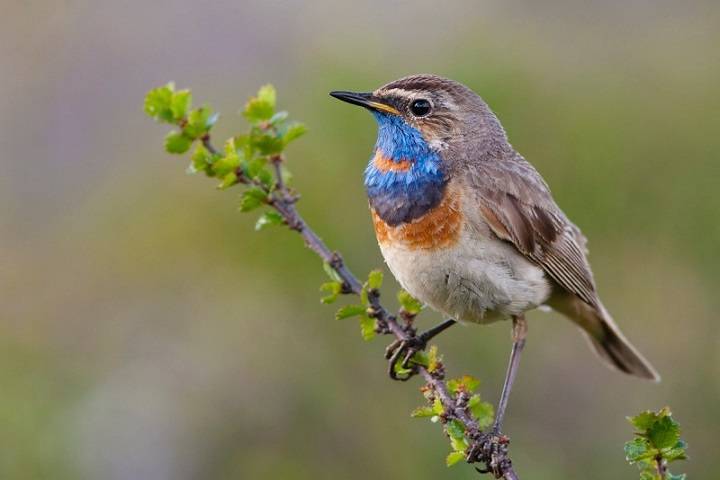
Have you ever found yourself captivated by the fluttering wings, the harmonious melodies, and the diverse plumage of our feathered friends? But have you ever wondered what you call a bird watcher?
In this comprehensive guide, we’ll spread our wings and embark on a fascinating journey into the world of bird watching, exploring not only the passion that drives it but also the terminology, gear, habitats, common species, ethical considerations, and the joy of connecting with the avian realm.
So, let’s take flight into the realm of bird watchers.
The Language of Bird Watching

Bird watchers employ a specialized vocabulary to communicate effectively. Understanding this language enhances the experience:
Bird watchers venture into diverse habitats to observe various species. These habitats include:
Hotspots, such as specific locations known for high bird diversity, draw bird watchers seeking unique observations.
Common Species and Rare Finds
Bird watchers encounter a spectrum of species, from the common to the rare:
Woodpeckers and Chickadees: Woodpeckers are known for their rhythmic tapping on trees, while chickadees are small, lively birds with distinctive calls often heard in wooded areas. Owls and Falcons: Nocturnal hunters with keen eyesight and silent flight, owls are symbols of wisdom and mystery. Falcons, on the other hand, are agile predators known for their high-speed dives when hunting prey. Swans and Geese: Graceful waterfowl commonly seen in lakes and ponds, swans are known for their elegant necks and serene presence, while geese are recognized for their seasonal migrations and honking calls. Pelicans and Seagulls: Coastal birds often associated with beaches and seaside cliffs. Pelicans are known for their large, pouch-like bills used for scooping up fish, while seagulls are opportunistic scavengers with distinctive cries. Crows and Ravens: Highly intelligent and adaptable birds found in various habitats worldwide. Known for their dark plumage and raucous calls, they often symbolize mystery and cunning. Ostriches and Emus: Flightless birds native to Africa (ostriches) and Australia (emus), known for their incredible speed and large size. They are the largest birds in the world and possess powerful legs adapted for running. Toucans and Parrots: Colorful and charismatic birds found in tropical regions. Toucans are known for their large, brightly colored bills, while parrots are renowned for their ability to mimic human speech and vibrant plumage. Cranes and Herons: Tall wading birds often found in wetlands and marshes. Cranes are known for their elaborate courtship dances and distinctive bugling calls, while herons are skilled fishers with long, slender necks and dagger-like bills.
Rare finds, such as migratory or elusive species, excite the bird-watching experience.
Ethical Bird Watching
Bird watchers prioritize ethical practices to ensure the well-being of birds and their habitats:
Maintain a Safe Distance: Avoid causing distress to birds by observing from a distance. Use binoculars or spotting scopes to get a closer look without intruding on their space. This not only reduces stress on the birds but also allows for more natural behaviors to be observed.
Respect Nesting Sites: Refrain from approaching nesting areas to prevent disturbance. Many bird species are sensitive during their nesting season, and any disruption can lead to abandonment of nests or even harm to eggs and chicks. Be particularly cautious in areas where signs of nesting activity are present, such as birds carrying nesting material or exhibiting defensive behaviors.
Minimize Noise: Keep noise levels low to avoid disrupting bird behavior. Loud noises can startle birds, causing them to fly away or become agitated, which disrupts their feeding, mating, or resting activities. When observing birds, silence your phone, avoid unnecessary conversation, and refrain from playing recorded bird calls, as this can confuse and distress birds.
Stay on Trails: Stick to designated paths to minimize habitat impact. Walking off-trail can trample vegetation, disturb ground-nesting birds, and disrupt fragile ecosystems. By staying on marked trails, you help preserve the natural habitat and reduce your ecological footprint. Additionally, be mindful of fragile habitats such as wetlands or dunes, where even slight disturbances can have long-lasting consequences.
Educate Others: Promote awareness about ethical bird-watching practices among fellow enthusiasts. Share information about the importance of respecting wildlife and habitats, and encourage others to follow guidelines for responsible bird-watching. By spreading knowledge and fostering a culture of conservation, we can collectively ensure the well-being of birds and their habitats for future generations to enjoy.
Beyond Binoculars and Lists
While bird watchers derive joy from identifying species and adding to their life lists, the true essence lies in the connection with nature:
- Mindfulness: Bird-watching fosters a sense of presence and connection with the environment.
- Community: Joining bird-watching groups or clubs enhances the sense of community and shared passion.
- Conservation Advocacy: Bird watchers often become advocates for habitat preservation and bird conservation.
FAQs: Answering Curious Queries
What is birding?
Birding, short for bird watching, involves observing and identifying birds in their natural habitats.
How do I start bird-watching?
Begin with essential bird identification, invest in binoculars, and explore local parks or nature reserves.
Can bird watching be done in urban areas?
Absolutely! Urban spaces host a variety of bird species adapted to city life, making it an accessible hobby.
Are there different types of bird watchers?
Yes, enthusiasts may specialize in bird photography and sound recording or focus on specific bird families.
What is the best time for bird watching?
Early morning or late afternoon are optimal, as birds are most active during these periods.
Related Post:
How to Keep Birds Away from Patio
Exploring the Fascinating World of Male, Female, and Male Muscovy Ducks
In bird watching, enthusiasts go beyond names and labels, finding fulfillment in the simple joy of observing our winged companions. Whether you’re a casual observer or a devoted twitcher, the avian realm welcomes all who appreciate the beauty and diversity of birds. So, the next time you gaze upon a feathered friend, remember that, in the language of bird watchers, the true reward lies in the connection forged between observer and observed.
