

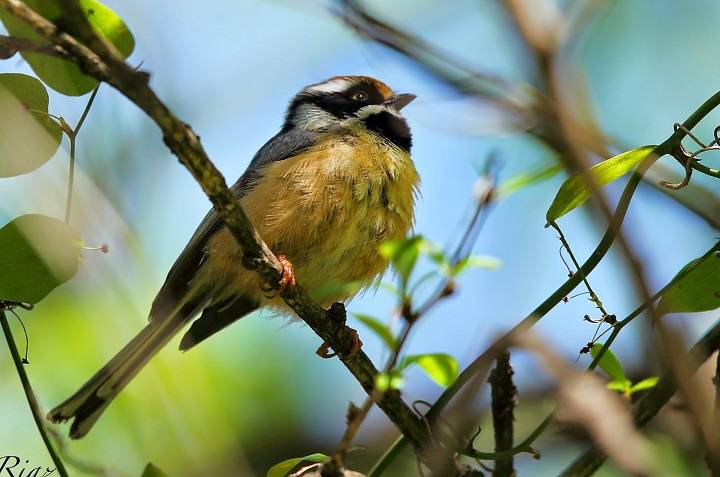
The Bullfinch (Pyrrhula pyrrhula) is a striking and enigmatic bird species that graces the woodlands, hedgerows, and gardens of the United Kingdom. With its distinctive plumage, melodic song, and elusive nature, the Bullfinch has captured the imagination of birdwatchers and nature enthusiasts across the country. In this comprehensive guide, we will delve into the world of the Bullfinch, exploring its habitat preferences, fascinating behaviors, and conservation efforts aimed at protecting this beloved species in the UK.
Habitat and Distribution
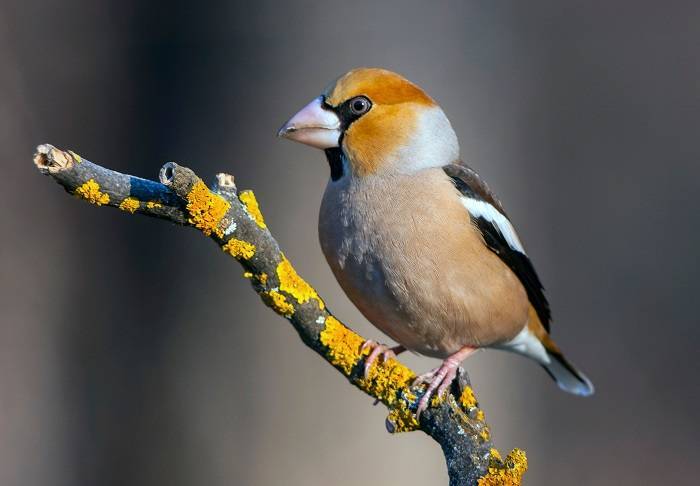
Woodlands and Forests:
Bullfinches are commonly found in deciduous woodlands and mature forests, where they forage for food among the dense vegetation and shrubbery.
Hedgerows and Gardens:
Bullfinches also inhabit hedgerows, orchards, and suburban gardens with abundant vegetation and access to food sources such as buds, berries, and seeds.
Countryside and Farmland:
In addition to wooded habitats, Bullfinches can occasionally be spotted in open countryside, farmland, and parklands where suitable food and nesting sites are available.
Physical Characteristics
Distinctive Plumage:
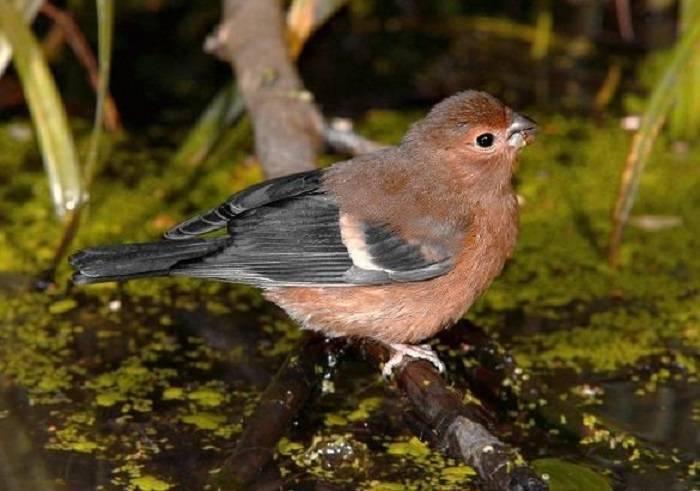
Male Bullfinches are known for their vibrant plumage, featuring a striking combination of deep red or pink breast and cheeks, contrasting with a glossy black cap and wings. Females have a more subdued appearance with grayish-brown plumage and a hint of pink on the breast.
Size and Shape:
Bullfinches are relatively small songbirds, measuring around 15 centimeters in length with a wingspan of approximately 24 to 29 centimeters. They have a stout, conical bill, which they use to crack open seeds and extract the nutritious contents.
Foraging Behavior
Seed-Eating Specialists:
Bullfinches are primarily seed-eaters, with a particular fondness for the buds, shoots, and seeds of various trees and shrubs, including birch, alder, cherry, and hawthorn.
Feeding Techniques:
Bullfinches use their powerful bills to extract seeds from their husks, often perching delicately on branches while manipulating the seed with their feet and bill.
Breeding and Nesting
Breeding Season:
Bullfinches typically breed from April to July, with pairs engaging in courtship displays and nest-building activities during the spring months.
Nesting Sites:
Bullfinches construct their nests in dense vegetation, such as thickets, hedgerows, or dense shrubs, where they are well-camouflaged and protected from predators.
Clutch Size and Incubation:
Female Bullfinches lay clutches of four to six eggs, which are incubated by both parents for a period of approximately 12 to 14 days before hatching.
Vocalizations and Calls
Melodic Song:
Male Bullfinches are known for their soft, melodic song, which consists of whistling notes and trills, often delivered from a prominent perch within their territory.
Enigmatic Bullfinch
Contact Calls:
Bullfinches also use a variety of contact calls to communicate with their mate and offspring, including soft chirps and peeps.
Conservation Status and Threats
Population Declines:
Despite being a familiar sight in the UK, Bullfinches have experienced declines in population numbers in recent decades, largely due to habitat loss, changes in land use, and pesticide exposure.
Conservation Efforts:
Conservation organizations and wildlife enthusiasts are actively involved in monitoring Bullfinch populations and implementing habitat restoration projects to support their recovery.
Citizen Science and Monitoring
Birdwatching Surveys:
Birdwatchers and citizen scientists play a crucial role in monitoring Bullfinch populations by participating in organized birdwatching surveys and recording sightings of Bullfinches in their local area.
Habitat Mapping:
Mapping the distribution of Bullfinches and their preferred habitats can help identify key conservation areas and prioritize conservation efforts to protect their breeding and foraging habitats.
Related Post:
Exploring the Fascinating World of Male, Female, and Male Muscovy Ducks
Unveiling the Spectrum of Colored Duck Eggs: Nature’s Palette of Surprises
Unlocking the Secrets of Duck Hatching: From Egg to Duckling
In conclusion, the Bullfinch is a captivating and charismatic bird species that adds color and charm to the woodlands, hedgerows, and gardens of the United Kingdom. With its distinctive plumage, melodic song, and important ecological role as a seed disperser, the Bullfinch holds a special place in the hearts of birdwatchers and nature enthusiasts across the country. By supporting conservation efforts and promoting habitat conservation and restoration initiatives, we can ensure that future generations have the opportunity to appreciate and cherish the beauty of the Bullfinch in the wild.
