

Birds are renowned for their ability to take to the skies, soaring gracefully through the air with unparalleled freedom. However, not all birds possess this remarkable ability. There exists a diverse array of avian species that, for various reasons, cannot fly. Despite their grounded nature, these birds have evolved unique adaptations and behaviors that make them just as intriguing and worthy of admiration as their airborne counterparts. In this blog post, we embark on a journey to discover the captivating world of birds that cannot fly.
The Evolutionary Mystery of Flightless Birds
Flightlessness in birds has arisen independently across different evolutionary lineages, with various factors contributing to the loss of flight. One of the most well-known examples of flightless birds is the ratites, a group that includes ostriches, emus, rheas, cassowaries, and kiwis. These large, flightless birds are believed to have evolved from a common flighted ancestor, with their inability to fly thought to be a result of evolutionary pressures such as changes in habitat and predation.
Adaptations for Terrestrial Life
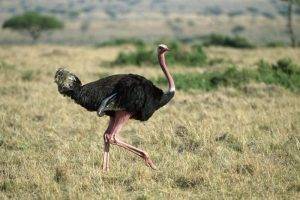
Birds that have lost the ability to fly have undergone remarkable adaptations to thrive in terrestrial environments. Ostriches, the largest living birds, have powerful legs capable of delivering swift kicks to predators. Emus, known for their speed and agility, possess elongated legs and strong muscles that enable them to run at impressive speeds. These adaptations showcase the evolutionary trade-offs that have occurred as flightless birds have shifted their focus from aerial to terrestrial locomotion.
Unique Ecological Niches
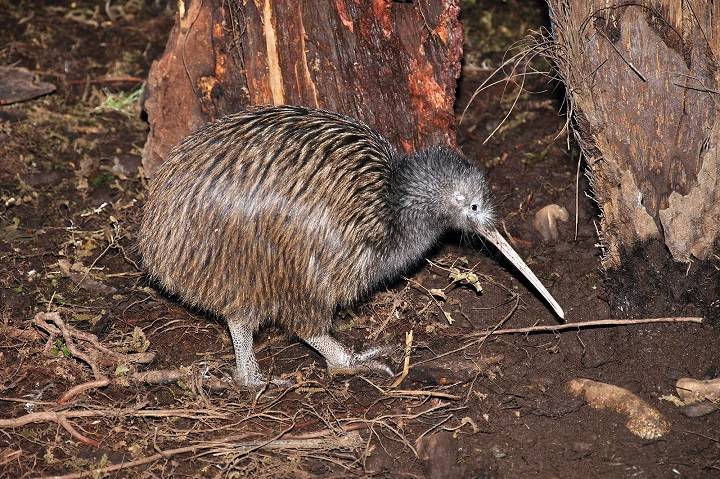
Flightless birds occupy diverse ecological niches, from the dense rainforests of New Guinea to the arid deserts of Australia. One of the most iconic examples is the kiwi, a small, nocturnal bird endemic to New Zealand. With its long beak adapted for probing invertebrates from the forest floor, the kiwi serves as a fascinating example of niche specialization in flightless birds. Similarly, the cassowary, with its vibrant blue skin and distinctive helmet-like casque, plays a vital role in seed dispersal within its tropical rainforest habitat.
Conservation Challenges
Despite their remarkable adaptations and ecological significance, many flightless bird species face numerous conservation challenges. Habitat loss, introduced predators, and human disturbance are among the primary threats to their survival. Efforts to conserve these unique birds involve habitat protection, predator control measures, and public education initiatives aimed at raising awareness about the importance of preserving their natural habitats.
Flightless Birds in Culture and Mythology
Flightless birds have long captured the imagination of humans, featuring prominently in cultures and mythologies around the world. In Maori folklore, the kiwi is revered as a symbol of spiritual connection to the land. In Australian Aboriginal mythology, the emu is depicted as a creator spirit responsible for shaping the landscape. These cultural representations underscore the deep cultural significance of flightless birds and their place in human history.
Fascinating World of Birds That Cannot Fly
As we look to the future, it is essential to recognize the importance of protecting flightless bird species and their habitats. Conservation efforts must be intensified to safeguard these unique and irreplaceable components of global biodiversity. By working together to address the threats they face, we can ensure that flightless birds continue to enrich our planet for generations to come.
Related Post:
Exploring Duck-Chicken Compatibility: Can They Coexist?
Unraveling the Complex World of Aggressive Male Duck Behavior
Deciphering the Ideal Space Requirements for Ducks
In conclusion, birds that cannot fly offer a fascinating glimpse into the diversity of avian life and the complex interplay between adaptation, ecology, and evolution. From the towering ostriches of the African savannah to the elusive kiwis of New Zealand’s forests, flightless birds have carved out unique niches in ecosystems around the world. By learning more about these remarkable creatures and taking action to conserve their habitats, we can ensure that they remain an integral part of our natural heritage for years to come.
