

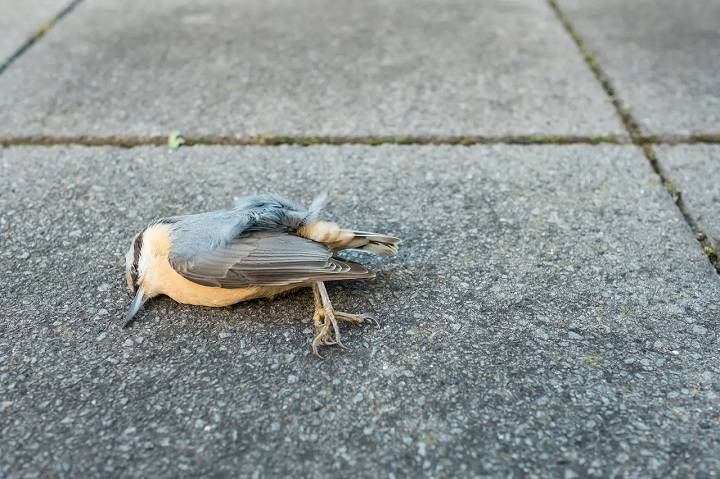
Birds live fascinating lives — soaring through skies, navigating long migrations, and performing beautiful mating dances. But just like every other creature in the animal kingdom, their lives eventually come to an end. So, how do birds die? The answer isn’t simple. Birds die from a wide variety of causes, both natural and human-related.
From predators and diseases to accidents and environmental changes, birds face many threats throughout their lifespans. This article explores the main reasons birds die, the signs leading up to death, and how different environments — urban, wild, or domestic — affect a bird’s lifespan.
Natural Causes of Death in Birds
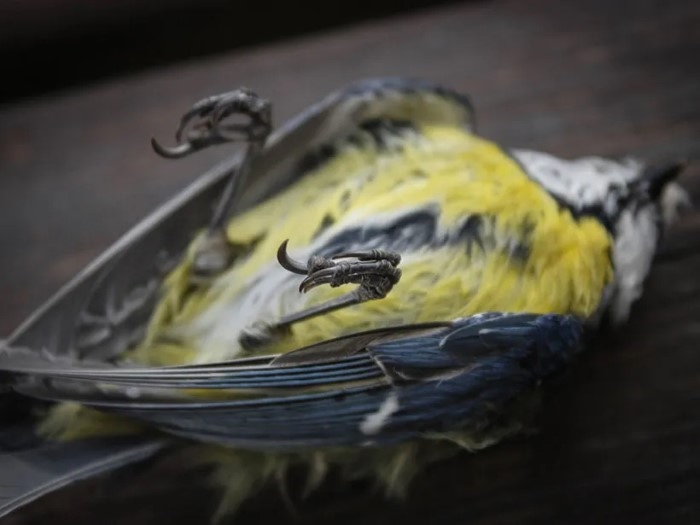
Birds in the wild often die from natural causes, just like other animals. These can include aging, predation, illness, or environmental stress.
Old Age
In the wild, few birds live long enough to die of natural old age. Still, some species — especially those kept as pets or in protected environments — can live decades.
As birds age, their bodies weaken. Organs begin to fail, immune systems grow less effective, and energy declines. Older birds may struggle to fly, feed, or escape predators, making them more vulnerable.
Signs of aging in birds: Slower flight
Dull feathers
Weight loss
Increased sleep or lethargy
Predators
Predation is a major cause of bird deaths in nature. Birds are preyed upon by a wide range of animals including:
Cats
Snakes
Hawks and eagles
Foxes
Larger birds
Nestlings and fledglings are especially vulnerable. Even adult birds can fall victim while feeding, roosting, or migrating. Predator attacks often result in sudden death, leaving little trace behind.
Disease and Infection
Birds are susceptible to various viral, bacterial, and fungal infections. Some of the most common include:
Avian flu
Psittacosis
Salmonella
Aspergillosis
West Nile Virus
Wild birds can also carry parasites like mites and lice, which, if left untreated, can lead to weakness, anemia, and death.
Infected birds may show: Fluffed-up feathers
Droopy posture
Lack of appetite
Labored breathing
Disorientation
Weather and Climate Events
Extreme weather can kill birds directly or indirectly. Storms, hail, freezing temperatures, and droughts can destroy habitats and reduce food availability.
For migratory birds, changing climates can disrupt migration timing, leading them to arrive too early or too late for breeding or food supply.
Young birds and hatchlings are particularly at risk during cold snaps or heatwaves.
Human-Related Causes of Bird Death
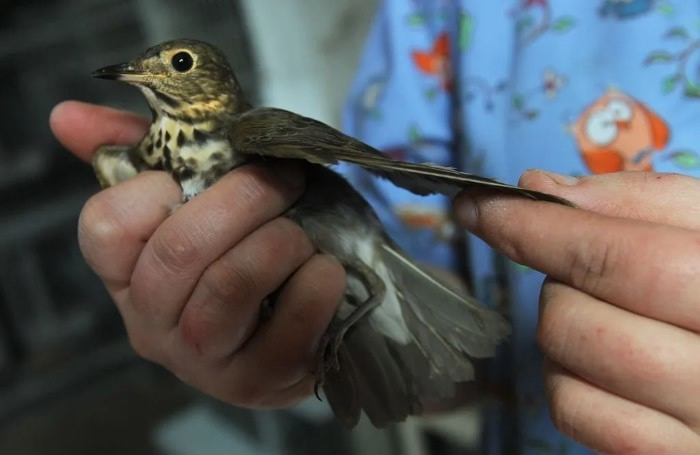
Unfortunately, human activities have become a leading factor in bird mortality worldwide. Here are some of the most common human-related causes.
Window Collisions
One of the most frequent and often overlooked causes of bird death is window strikes. Birds can’t see glass and often fly full-speed into reflective or transparent surfaces.
According to studies, billions of birds die globally each year due to glass collisions — especially in urban and suburban areas.
Ways to reduce this: Install window decals
Use bird-safe glass
Keep feeders close (less than 3 feet) or far (more than 30 feet) from windows
Habitat Loss
Deforestation, agriculture, and urban development destroy natural habitats. Without nesting sites, food sources, and safe shelter, bird populations decline quickly.
Birds that rely on specific habitats — like wetlands, forests, or grasslands — are hit hardest by land conversion and pollution.
Pollution and Toxic Exposure
Chemicals like pesticides, lead, and oil spills can poison birds directly or indirectly through their food sources. Ingesting small bits of plastic also harms internal organs and digestive systems.
Light and noise pollution also disrupt sleep cycles, breeding behaviors, and migration.
Car Strikes
Birds flying low across roads or scavenging near highways are at risk of being hit by vehicles. Raptors like owls or hawks are especially vulnerable when hunting near roadsides.
Power Lines and Wind Turbines
Electrocution or collision with power lines is another risk, particularly for large birds like herons, cranes, and eagles. Wind turbines also pose a threat to migratory birds and bats when not properly located or designed.
Death in Captivity
For pet birds or birds in sanctuaries and zoos, death can still occur due to a variety of factors.
Common causes in captivity: Stress or trauma
Nutritional deficiencies
Accidental poisoning
Infections or untreated injuries
Egg-binding in females
Captive birds may hide symptoms of illness, making it hard to detect until it’s too late. Regular vet check-ups, proper diet, and enriched environments help prolong their lives.
Do Birds Just Fall from the Sky?
Sometimes birds do seem to fall from the sky — this can happen due to sudden trauma, illness, or exhaustion. Large groups of birds dying suddenly is often linked to:
Toxic exposure (airborne chemicals or food poisoning)
Storms or lightning
High-impact collisions during flocking
Disorientation due to bright city lights
These events often make the news and spark investigations, especially if large flocks are affected.
What Happens to Birds After They Die?
In nature, birds rarely leave visible remains for long. Their bodies are quickly consumed by scavengers, decomposed by bacteria, or scattered by weather.
Common scavengers include: Foxes
Rats
Other birds (like vultures or crows)
Insects
This fast natural recycling makes finding dead birds in the wild relatively rare.
How to Tell If a Bird Is Dying
Birds hide illness or weakness well, but there are signs that can help identify a bird in distress:
Fluffed feathers with no preening
Closed eyes during daylight
Labored or open-mouth breathing
Unusual drooping of wings or tail
Lack of flight or difficulty perching
Unresponsive to sounds or movement
If you see these signs in a pet bird, seek veterinary help immediately. In the wild, call local wildlife rescue services if intervention is safe and necessary.
FAQs
What is the most common cause of death for wild birds?
Predation is a leading natural cause, but window collisions are the most common human-related cause of bird death.
How long do birds typically live?
It depends on the species. Small songbirds may live 2–5 years in the wild, while parrots or birds of prey can live 20+ years.
Can birds die from stress?
Yes, especially pet birds or wild birds exposed to constant disturbance. Stress weakens their immune system and can be fatal.
Why don’t we see more dead birds around?
Dead birds are quickly removed by scavengers, insects, and decomposition in nature, making them less commonly seen.
Can birds die during migration?
Yes. Migration is dangerous. Birds face exhaustion, bad weather, lack of food, predators, and disorientation.
