


Hummingbirds, with their dazzling colors, rapid wingbeats, and aerial acrobatics, are among the most captivating and enchanting creatures in the avian world. Among the many fascinating behaviors exhibited by these tiny dynamos, one of the most intriguing is their propensity to chase each other in mid-air. In this blog post, we delve into the world of hummingbird behavior, exploring the reasons behind their chasing antics and the fascinating dynamics at play.
The Fascinating World of Hummingbirds
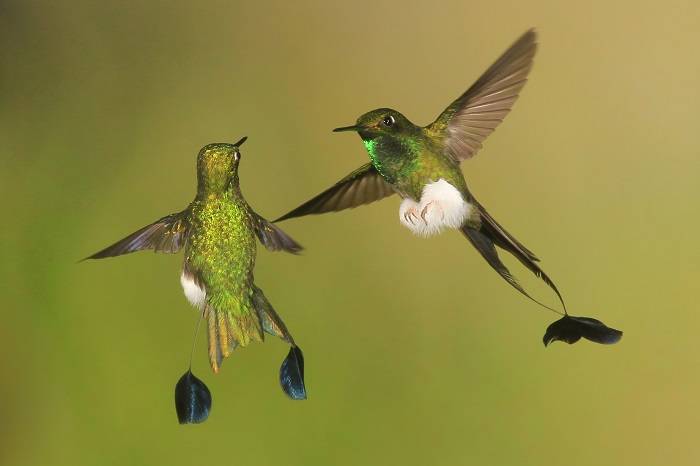
Aerial Marvels:
- Hummingbirds are renowned for their unique ability to hover in mid-air, darting from flower to flower with lightning speed. With their rapid wingbeats, they can maneuver with incredible agility and precision, making them formidable aerial predators.
Territorial Creatures:
- Despite their diminutive size, hummingbirds are fiercely territorial birds, defending their feeding and nesting territories from intruders with remarkable vigor. Chasing behavior is a common tactic employed by hummingbirds to assert dominance and establish territorial boundaries.
Reasons Behind Hummingbird Chasing
Territorial Defense:
- One of the primary reasons hummingbirds chase each other is to defend their territory from intruders. Male hummingbirds, in particular, are known for engaging in aggressive chases to protect their feeding and breeding territories from rivals and interlopers.
Courtship and Mating:
- Chasing behavior also plays a role in courtship and mating rituals among hummingbirds. During the breeding season, males may engage in elaborate aerial displays and chasing maneuvers to impress females and establish their dominance in the mating arena.
Resource Competition:
- Hummingbirds are highly competitive foragers, constantly vying for access to nectar-rich flowers and feeding sites. Chasing behavior may occur when multiple individuals converge on the same flower patch or feeding station, with each bird seeking to monopolize the available resources.
Dynamics of Hummingbird Chases

Aerial Pursuits:
- Hummingbird chases are characterized by high-speed aerial pursuits, with birds darting and zigzagging through the air in a display of agility and agility. These aerial duels can be intense and acrobatic, with birds twisting and turning in mid-air as they vie for dominance.
Vocalizations and Displays:
- In addition to aerial maneuvers, hummingbirds may also vocalize and display their colorful plumage during chases. Vocalizations such as chirps, squeaks, and trills may accompany chasing behavior, serving as auditory signals of aggression or courtship.
Factors Influencing Chasing Behavior
Species Differences:
- Different species of hummingbirds may exhibit varying degrees of chasing behavior, depending on factors such as habitat, population density, and resource availability. Some species, such as the ruby-throated hummingbird, are more territorial and aggressive than others.
Sexual Dimorphism:
- In some hummingbird species, males and females may exhibit differences in chasing behavior, with males generally being more aggressive and territorial than females. Male-male chases are often more common and intense, particularly during the breeding season.
Hummingbird Behavior
Habitat Protection:
- Protecting and preserving the natural habitats of hummingbirds is crucial for ensuring their survival and well-being. Conservation efforts focused on safeguarding critical habitats, such as tropical forests, montane meadows, and desert oases, are essential for supporting healthy populations of hummingbirds.
Feeding Stations and Gardens:
- Providing supplemental food sources, such as nectar feeders and hummingbird gardens, can help mitigate competition for natural resources and reduce aggressive chasing behavior among hummingbirds. By creating suitable habitats and offering abundant food sources, individuals can attract and support thriving populations of these captivating birds.
Related Post:
Unveiling the Mysterious Egg-Laying Habits of Ducks
Exploring the Essential Role of Duck Grit in Avian Health
Unlocking the Mysteries of Duck Egg Laying: How Often Do Ducks Lay Eggs?
The chasing behavior exhibited by hummingbirds is a fascinating and dynamic aspect of their biology and ecology. Whether engaged in territorial defense, courtship displays, or resource competition, hummingbirds’ aerial pursuits provide a window into the complex social dynamics and adaptive strategies of these remarkable birds. By understanding the reasons behind hummingbird chasing and appreciating the intricate interplay of behavior, ecology, and evolution, we gain a deeper appreciation for these enchanting creatures and the vital role they play in the ecosystems they inhabit. So, the next time you observe hummingbirds engaged in aerial pursuits in your backyard or while exploring nature, take a moment to marvel at the beauty and complexity of their behavior, and the fascinating world of hummingbirds that unfolds before your eyes.
