


Nestled amidst the azure waters of the Pacific Ocean, the Hawaiian Islands are renowned for their stunning natural beauty, vibrant culture, and unique biodiversity. Among the many treasures found in this tropical paradise is the nene (Branta sandvicensis), a cherished symbol of Hawaii’s rich heritage and conservation efforts. In this comprehensive exploration, we’ll journey into the world of the nene, uncovering its cultural significance, ecological importance, and the efforts underway to protect and preserve this iconic bird for future generations.
A Living Emblem of Aloha: The Cultural Significance of the Nene
The nene, also known as the Hawaiian goose, holds a special place in the hearts of the people of Hawaii, serving as a living emblem of aloha and a symbol of the islands’ unique identity. Revered for its graceful form, distinctive call, and gentle demeanor, the nene has been celebrated in Hawaiian folklore, art, and tradition for centuries. According to Hawaiian legend, the nene is believed to be the embodiment of Laka, the goddess of hula, and is often depicted in traditional chants and dances as a symbol of grace and beauty.
Adaptation and Evolution: The Nene’s Journey to Survival
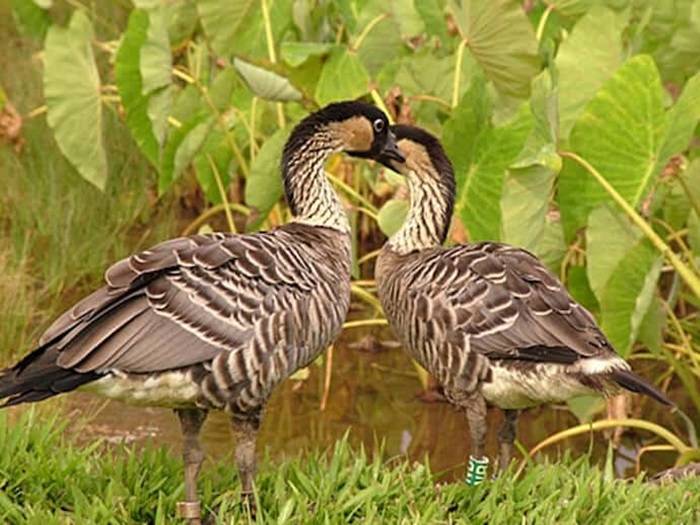
Endemic to the Hawaiian Islands, the nene is believed to be descended from Canada geese that arrived in Hawaii thousands of years ago. Over time, these intrepid birds adapted to their island habitat, developing unique characteristics and behaviors that distinguish them from their mainland relatives. Today, the nene is recognized as one of the world’s rarest goose species, with a population that once teetered on the brink of extinction due to habitat loss, predation, and hunting.
Conservation Success Story: The Nene’s Road to Recovery
In recent decades, concerted conservation efforts have helped to reverse the decline of the nene and secure its future in the wild. Through initiatives such as captive breeding, habitat restoration, and predator control, conservationists have worked tirelessly to bolster nene populations and safeguard their natural habitats. These efforts have yielded remarkable results, with the nene population rebounding from just 30 birds in the 1950s to over 2,500 individuals today.
Habitat and Ecology: Navigating the Unique Ecosystems of Hawaii
The nene’s survival is intricately linked to Hawaii’s diverse ecosystems, which range from lush rainforests and volcanic mountains to coastal wetlands and grasslands. With its versatile diet and adaptability to various habitats, the nene plays a vital role in maintaining the ecological balance of these fragile ecosystems. As seed dispersers, grazers, and ecosystem engineers, nene help to shape their environment and support the diverse array of plant and animal species that call Hawaii home.
Threats and Challenges: Safeguarding the Future of the Nene
Despite the progress made in conserving the nene, significant challenges remain to ensure the long-term survival of this iconic bird. Habitat loss, invasive species, and climate change continue to threaten nene populations and their fragile ecosystems. Additionally, human activities such as development, agriculture, and recreational activities pose ongoing risks to nene and their habitats. To address these challenges, continued conservation efforts, community engagement, and public awareness are essential to protect and preserve the nene for future generations.
State Bird Of Hawaii
Related post
Deciphering the Ideal Space Requirements for Ducks
Unveiling the Mysterious Egg-Laying Habits of Ducks
Exploring the Essential Role of Duck Grit in Avian Health
Celebrating Hawaii’s Enduring Symbol of Resilience and Aloha
In conclusion, the nene stands as a powerful symbol of Hawaii’s natural beauty, cultural heritage, and conservation ethic. From its ancient origins to its remarkable recovery from the brink of extinction, the nene’s journey is a testament to the resilience of life in Hawaii’s unique island ecosystems. By celebrating and protecting this beloved bird, we honor the spirit of aloha and ensure that future generations will continue to marvel at the beauty and wonder of Hawaii’s natural treasures.
