


Imagine waking up in the dead of night to the melodious chirping of birds outside your window. While it may seem unusual for birds to be active at such an hour, the truth is that chirping in the wee hours of the morning is not uncommon in the avian world. In this blog post, we’ll explore the reasons behind why birds chirp at 2 AM, shedding light on the fascinating behaviors and biological rhythms that govern their vocalizations during the night.
Nocturnal Singers: Understanding Bird Circadian Rhythms
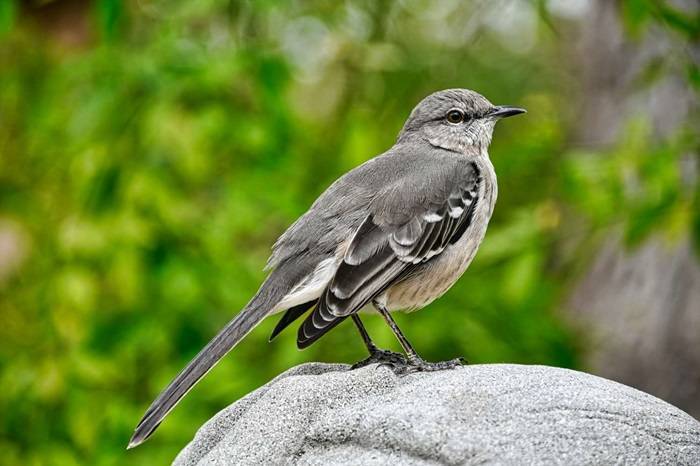
Birds, like many other animals, have internal biological clocks known as circadian rhythms that regulate their behavior and physiological processes over a 24-hour cycle. While some birds are diurnal and primarily active during the day, others are crepuscular or nocturnal, meaning they are most active during the twilight hours or at night. Nocturnal birds, in particular, have adapted to the challenges of navigating and foraging in low-light conditions, relying on their keen senses and specialized adaptations to thrive in the darkness.
Breeding Season Calls:
One of the primary reasons why birds may chirp at 2 AM is related to their reproductive behavior and breeding season. For many bird species, the early morning hours are a prime time for courtship displays, territorial signaling, and mate attraction. Male birds may engage in vigorous singing and calling to establish their presence, defend their territory, and attract potential mates. The darkness of the night may enhance the acoustics of their vocalizations, allowing their calls to carry over greater distances and reach potential mates more effectively.
Territory Defense:
In addition to breeding season calls, birds may chirp at 2 AM as part of territorial defense behaviors. Many bird species are highly territorial and use vocalizations to assert dominance and deter intruders from encroaching on their territory. Chirping during the night may serve as a preemptive warning to neighboring birds or predators, signaling the presence of a vigilant defender ready to defend its turf. By vocalizing during the night, birds can maintain a constant presence and deter potential threats while conserving energy during the day.
Communication and Social Bonding:
Birds are highly social creatures that use vocalizations to communicate with members of their flock, coordinate group movements, and strengthen social bonds. Chirping at 2 AM may serve as a means of maintaining contact with other members of the flock, particularly during the breeding season or periods of heightened activity. By vocalizing during the night, birds can reinforce social cohesion, coordinate feeding or roosting activities, and alert others to potential threats or opportunities in their environment.
Environmental Triggers:
External factors such as weather conditions, lunar cycles, and urban noise pollution can also influence bird vocalizations during the night. For example, certain bird species may become more vocal during periods of full moon, as the increased illumination allows for greater visibility and navigation during nocturnal foraging or mating activities. Conversely, urban environments with high levels of noise pollution may disrupt bird communication and alter their vocalization patterns, leading to increased nocturnal calling in response to environmental stressors.
Artificial Light:
The proliferation of artificial light sources in urban and suburban areas has also been shown to impact bird behavior and vocalizations during the night. Birds may be drawn to sources of artificial light, such as streetlights, building facades, or illuminated signs, which can disrupt their natural circadian rhythms and nocturnal behaviors. In some cases, birds may chirp at 2 AM in response to artificial light stimuli, mistaking it for the dawn chorus or engaging in territorial signaling in response to perceived threats.
Vocal Learning and Imitation:
Some bird species are accomplished vocal mimics capable of imitating a wide range of sounds, including human speech, musical melodies, and environmental noises. Chirping at 2 AM may occur as a result of vocal learning and imitation, with birds mimicking the calls of other species or incorporating novel sounds into their repertoire. While the exact reasons for nocturnal vocalizations in mimicry-capable birds are not fully understood, it is believed to play a role in mate attraction, social bonding, and communication within mixed-species flocks.
Related Post:
Cracking the Mystery: How Long Does It Take for Duck Eggs to Hatch?
Unlocking the Egg-Laying Mystery: When Do Ducks Start Laying Eggs?
Choosing the Perfect Pet Duck: A Comprehensive Guide
Embracing the Mysteries of the Midnight Chorus
In conclusion, the phenomenon of birds chirping at 2 AM is a testament to the remarkable adaptability and diversity of avian behavior. Whether driven by reproductive instincts, territorial defense, social communication, or environmental stimuli, nocturnal vocalizations serve a variety of important functions in the lives of birds. By understanding the underlying reasons behind why birds chirp at 2 AM, we gain insight into the complex interplay of biological, ecological, and behavioral factors that shape their behavior in the darkness of the night. So, the next time you’re serenaded by the midnight chorus, take a moment to appreciate the beauty and complexity of the avian world unfolding outside your window.
