

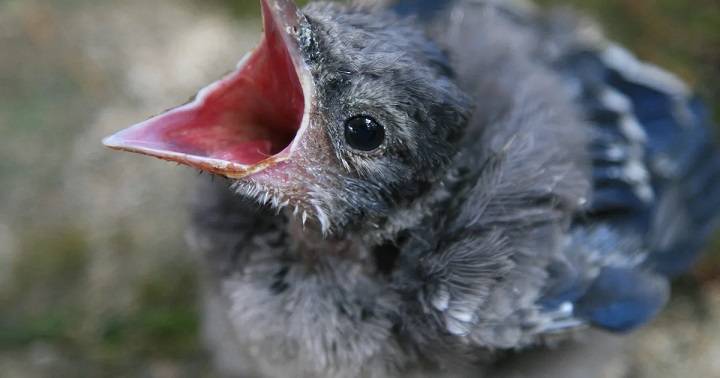
The arrival of spring heralds the emergence of new life in the avian world, with nestlings hatching and fledglings taking their first tentative flights. Among these young aviators are the charismatic blue jays, known for their striking plumage and bold personalities. As these young birds embark on their journey of growth and development, one question looms large: What do baby blue jays eat? In this blog post, we delve into the dietary habits of baby blue jays, exploring their nutritional needs, feeding behaviors, and the role of parental care in their upbringing.
The Early Days: Feeding Baby Blue Jays

Hatchling Diet:
- Upon hatching, baby blue jays are entirely dependent on their parents for nourishment. Initially, their diet consists primarily of soft, regurgitated food provided by the adult blue jays. This nutrient-rich mixture, known as crop milk, contains proteins, fats, and other essential nutrients crucial for the rapid growth and development of the hatchlings.
Transition to Solid Food:
- As baby blue jays grow and develop, they gradually transition to a more varied diet that includes a mix of insects, fruits, seeds, and other food items. This transition typically occurs over several weeks as the young birds begin to fledge and explore their surroundings under the watchful eyes of their parents.
Nutritional Needs of Baby Blue Jays
Protein-Rich Diet:
- Protein is essential for the growth and development of young blue jays, particularly during the critical stages of feather development and muscle growth. Insects such as caterpillars, grasshoppers, and beetles are rich sources of protein and are eagerly sought after by parent blue jays to feed their offspring.
Energy-Dense Foods:
- Young blue jays have high energy requirements to fuel their rapid growth and metabolic processes. Foods high in fats and carbohydrates, such as nuts, seeds, and berries, provide the energy necessary for fledglings to maintain their activity levels and vitality as they explore their surroundings and hone their flying skills.
Feeding Behaviors of Parent Blue Jays
Foraging for Insects:
- Adult blue jays are proficient insect hunters, scouring trees, shrubs, and the ground for a variety of insect prey to feed their young. They use their sharp beaks and keen eyesight to detect and capture insects hiding among foliage and under bark, providing a steady supply of protein-rich food for their offspring.
Gathering Fruits and Seeds:
- In addition to insects, parent blue jays also gather a diverse array of fruits, seeds, and nuts to supplement their nestling’s diet. They may visit bird feeders, orchards, and forested areas to collect these food items, which serve as important sources of energy and micronutrients for their growing chicks.
Developmental Milestones of Baby Blue Jays
Winged Explorers:
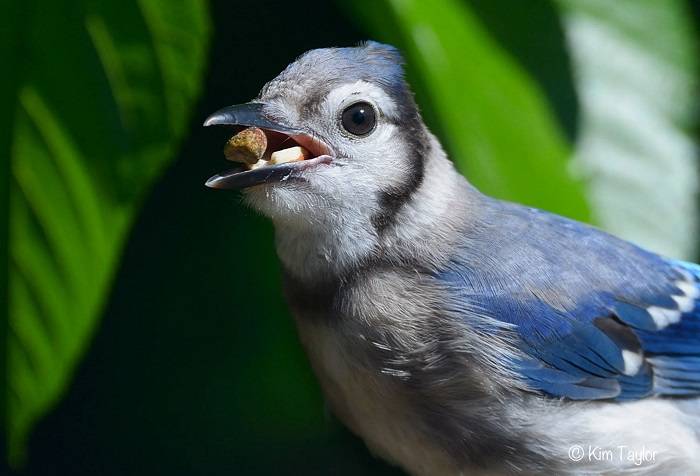
- As baby blue jays grow and develop, they undergo a series of developmental milestones that prepare them for life outside the nest. Around 17 to 21 days after hatching, the young birds begin to fledge, or leave the nest, and venture into the surrounding environment under the guidance of their parents.
Learning to Forage:
- Fledgling blue jays spend several weeks honing their foraging skills under the watchful guidance of their parents. They learn to identify and capture insects, select suitable fruits and seeds, and navigate the complex social dynamics of feeding areas shared with other bird species.
Challenges and Survival Strategies
Predation Risks:
- Like all young birds, baby blue jays face numerous threats from predators such as snakes, squirrels, and birds of prey. Parent blue jays employ various strategies to minimize predation risks, including selecting well-hidden nest sites, maintaining vigilance, and emitting alarm calls to warn their offspring of potential dangers.
Weather-related Challenges:
- Inclement weather, such as heavy rain, strong winds, and temperature extremes, can pose challenges for baby blue jays, particularly during the vulnerable fledgling stage. Parent birds may provide additional protection and shelter to shield their young from harsh environmental conditions and ensure their survival.
What Do Baby Blue Jays Eat
Providing Supplemental Food:
- Bird enthusiasts and wildlife enthusiasts may choose to provide supplemental food, such as mealworms, suet, and sunflower seeds, to support the nutritional needs of baby blue jays and their parents. These offerings can help supplement natural food sources, particularly during periods of food scarcity or extreme weather.
Educating the Public:
- Educating the public about the natural history and dietary needs of baby blue jays can foster appreciation and empathy for these remarkable birds. Outreach efforts, educational programs, and interpretive signage can raise awareness about the importance of conserving blue jay habitat and protecting nesting sites.
Related Post:
Unveiling the Mysterious Egg-Laying Habits of Ducks
Exploring the Essential Role of Duck Grit in Avian Health
Unlocking the Mysteries of Duck Egg Laying: How Often Do Ducks Lay Eggs?
The diet of baby blue jays is a diverse and dynamic mix of insects, fruits, seeds, and other food items carefully selected and provided by their devoted parents. From the early days of crop milk feeding to the exhilarating moments of fledging and foraging, the journey of baby blue jays is a testament to the resilience, adaptability, and parental care that characterize avian life. As we observe and appreciate these young birds in their natural habitats, let us marvel at the wonders of nature’s nurturing instincts and strive to create a world where they can thrive and flourish for generations to come.
