


Birds, with their keen senses and delicate respiratory systems, are highly sensitive to their environment, including various scents and odors. While some scents may attract birds, others can repel them or cause discomfort. In this blog post, we explore the olfactory preferences of birds and investigate the scents that they dislike or find aversive. Understanding which smells birds hate can be useful for deterring them from unwanted areas or protecting crops and property from avian damage.
Avian Olfactory Sensitivity
Contrary to popular belief, birds do have a sense of smell, although it may not be as developed as in mammals. While some bird species, such as vultures and kiwis, have well-developed olfactory systems that play a crucial role in foraging and navigation, others rely more heavily on other senses, such as vision and hearing. Nonetheless, birds can still detect and respond to various scents and odors in their environment, which can influence their behavior and habitat selection.
Scents That Birds Dislike
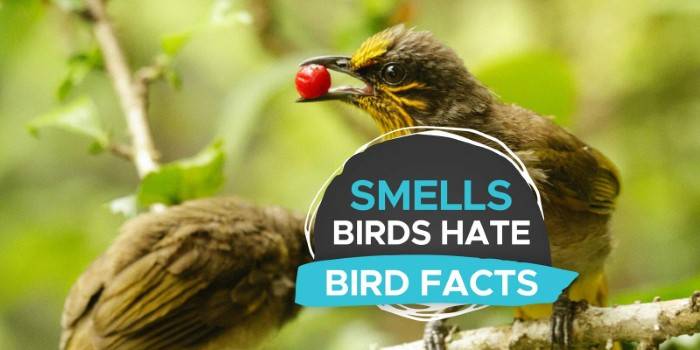
While individual preferences may vary among bird species, there are certain scents that birds commonly find aversive or unpleasant. These scents can be used strategically to deter birds from specific areas or protect crops and property from damage. Some scents that birds are known to dislike include:
- Citrus: The strong, acidic scent of citrus fruits, such as oranges, lemons, and grapefruits, can be off-putting to birds. Citrus oils and extracts are commonly used in bird repellent sprays and deterrents to discourage birds from landing or roosting in unwanted areas.
- Mint: The refreshing scent of mint, particularly peppermint and spearmint, is disliked by many bird species. Mint oils and extracts can be used as natural bird repellents to discourage birds from nesting or foraging in gardens, orchards, or other outdoor spaces.
- Garlic and Onion: The pungent odors of garlic and onion are known to repel birds due to their strong, sulfurous compounds. Garlic and onion extracts can be mixed with water and sprayed on plants or surfaces to deter birds from feeding or roosting.
- Chili Pepper: The spicy heat of chili peppers, particularly capsaicin, is irritating to birds’ mucous membranes and can deter them from feeding on crops or entering certain areas. Chili pepper powder or hot pepper sprays can be applied to bird feeders, bird baths, or garden plants to discourage bird activity.
- Vinegar: The acrid smell of vinegar is unpleasant to many bird species and can be used as a natural bird repellent to deter birds from roosting or nesting in specific areas. Vinegar solutions can be sprayed on surfaces or mixed with water and applied to bird feeders or garden plants.
Using Scents as Bird Deterrents

When using scents as bird deterrents, it’s essential to apply them strategically and consistently to achieve the desired effect. Consider the following tips for effectively using scents to repel birds:
- Identify Problem Areas: Determine which areas are frequented by birds and where their presence is undesirable, such as gardens, orchards, rooftops, or outdoor dining areas.
- Choose Appropriate Scents: Select scents that are known to be disliked by birds and appropriate for the target bird species and location. Experiment with different scents to find the most effective deterrent for your specific situation.
- Apply Scents Regularly: To maintain effectiveness, reapply scents regularly, especially after rain or heavy watering, which can dilute or wash away the scent. Consider using concentrated formulations or slow-release products for long-lasting protection.
- Combine Deterrent Methods: In addition to using scents, consider combining other bird deterrent methods, such as visual deterrents, sound deterrents, or physical barriers, for enhanced effectiveness.
What Smells Do Birds Hate?
When choosing bird deterrents, consider the potential environmental impact and safety implications of the products you use. Natural deterrents, such as citrus oils, mint extracts, and chili pepper sprays, are generally safer for birds, humans, and the environment compared to chemical deterrents containing synthetic ingredients or toxins. Always read and follow the label instructions carefully when using bird repellent products, and avoid applying them directly to bird feed or water sources to prevent unintended harm to non-target species.
Related Post:
Exploring the Lifespan of Canaries: How Long Can These Beloved Birds Live?
The Essential Guide to Pet Ducks: Care, Behavior, and Joys of Keeping Ducks
Discovering the Distinctive Charm of Aylesbury Ducks: A Classic Duck Breed
Birds have sensitive olfactory systems and can detect and respond to various scents and odors in their environment. By understanding which smells birds dislike, you can use this knowledge to deter them from unwanted areas or protect crops and property from avian damage. Whether using citrus oils, mint extracts, chili pepper sprays, or vinegar solutions, scents can be an effective and environmentally friendly way to discourage birds from roosting, nesting, or feeding in specific locations. By employing strategic scent-based deterrents and combining them with other bird control methods, you can effectively manage bird activity and maintain a bird-free environment where desired.
