


Encountering a bird that appears lifeless can be a distressing experience, whether it’s found outdoors or in a cage at home. Knowing how to identify the signs of death in a bird is essential for both pet owners and individuals who encounter birds in the wild. In this blog post, we’ll explore the key indicators that can help you determine if a bird is dead, as well as steps you can take to confirm its status and ensure appropriate action is taken.
Assessing Physical Appearance:
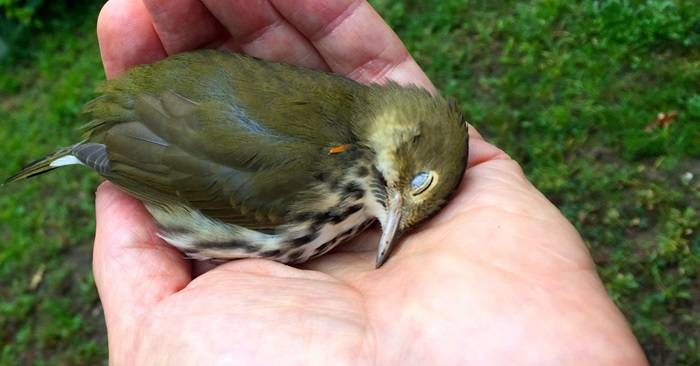
One of the first steps in determining if a bird is dead is to carefully observe its physical appearance. Look for signs of movement or breathing, such as the rise and fall of the chest or twitching of the limbs. A bird that is alive may also blink, move its head, or exhibit reflexive responses to stimuli such as touch or noise. If the bird appears completely still and unresponsive, it may be a sign that it has passed away.
Checking for Vital Signs:
To further assess the bird’s condition, you can check for vital signs that indicate signs of life. Place your hand close to the bird’s chest without touching it, and feel for any warmth or movement. A living bird will typically generate some heat from its body, especially around the chest area where the heart is located. Additionally, you can listen for sounds of breathing or heartbeat by placing your ear close to the bird’s chest. Absence of these signs may indicate that the bird has died.
Examining the Eyes:
The eyes can provide valuable clues about a bird’s status. A bird that is alive will typically have bright, alert eyes that move and react to changes in light or movement. In contrast, a dead bird may have dull, glazed-over eyes that appear fixed and unresponsive. Gently touch the bird’s eyelids to see if there is any reaction or blinking. Lack of response may indicate that the bird has passed away.
Checking for Rigor Mortis:
Rigor mortis is a natural process that occurs after death, causing the body to become stiff and rigid due to the contraction of muscles. To check for rigor mortis in a bird, gently try to move its limbs and wings. A living bird will have flexible joints and muscles that allow for movement, while a dead bird may exhibit stiffness and resistance to manipulation. Keep in mind that rigor mortis typically sets in within a few hours after death and gradually subsides over time.
Monitoring for Decomposition:

As time passes after death, a bird’s body will undergo decomposition, resulting in changes in appearance and odor. Look for signs of decay such as discoloration, bloating, or foul odors emanating from the bird’s body. Insects such as flies or maggots may also be present, indicating that decomposition has begun. If you observe any of these signs, it is likely that the bird has been deceased for some time.
Seeking Professional Assistance:
If you are uncertain about whether a bird is dead or alive, or if you are unable to determine its status based on physical examination, it may be best to seek professional assistance. Contact a local wildlife rehabilitator, animal control agency, or veterinary clinic for guidance on how to proceed. They can provide advice on handling the situation and may be able to assess the bird’s condition more accurately.
Taking Precautions:
When handling a bird that may be deceased, it’s important to take appropriate precautions to protect yourself and others from potential health risks. Wear gloves or use a barrier such as a plastic bag when touching the bird, and avoid direct contact with bodily fluids or tissues. Wash your hands thoroughly with soap and water after handling the bird, and disinfect any surfaces or objects that may have come into contact with it.
How to Determine if a Bird is Dead
If you determine that the bird is indeed deceased, it’s important to handle its remains with care and respect. Avoid disposing of the bird in areas where it may attract scavengers or pose a health hazard to other animals or humans. Instead, consider burying the bird in a secluded location away from high-traffic areas, or contact local authorities for guidance on proper disposal methods. Alternatively, you may choose to contact a wildlife rehabilitator or veterinary clinic to arrange for the bird’s remains to be collected and handled appropriately.
Related Post:
Cracking the Mystery: How Long Does It Take for Duck Eggs to Hatch?
Unlocking the Egg-Laying Mystery: When Do Ducks Start Laying Eggs?
Choosing the Perfect Pet Duck: A Comprehensive Guide
Discovering the Enigmatic World of Rare Duck Breeds
Navigating the Process with Sensitivity and Care
In conclusion, identifying whether a bird is dead requires careful observation and assessment of physical signs and behaviors. By examining the bird’s appearance, checking for vital signs, and monitoring for signs of decomposition, you can determine its status and take appropriate action. Remember to handle the bird’s remains with respect and sensitivity, and seek professional assistance if needed. By navigating the process with care and compassion, you can ensure that the bird is treated with dignity and that appropriate measures are taken to address the situation.
