


In the realm of birds of prey, size often commands awe and admiration. From their commanding presence to their formidable hunting prowess, the largest birds of prey inspire both fascination and respect. In this blog post, we embark on a journey to discover the world of the biggest birds of prey, exploring their impressive physical attributes, hunting techniques, and ecological significance.
The Magnificent Harpy Eagle (Harpiaharpyja)

Standing tall as the undisputed giant of the avian world, the Harpy Eagle reigns supreme as the largest and most powerful bird of prey in the Americas. With its striking black and white plumage, massive talons, and distinctive crest of feathers, the Harpy Eagle cuts an imposing figure in the tropical rainforests of Central and South America. Females of this majestic species can weigh up to 20 pounds (9 kilograms) and boast wingspans exceeding 7 feet (2.1 meters), making them formidable apex predators of the canopy.
The Mighty Steller’s Sea Eagle (Haliaeetus pelagicus)
Hailing from the rugged coastlines and icy waters of northeastern Asia, the Steller’s Sea Eagle ranks among the largest and heaviest eagles in the world. Named in honor of the German naturalist Georg Wilhelm Steller, this majestic raptor commands attention with its massive size, impressive wingspan, and distinctive white plumage interspersed with dark brown feathers. Adult Steller’s Sea Eagles can weigh up to 20 pounds (9 kilograms) and possess wingspans that exceed 8 feet (2.4 meters), enabling them to soar effortlessly over open seas and rugged shorelines in search of prey.
The Formidable Philippine Eagle (Pithecophagajefferyi)
Endemic to the lush forests of the Philippines, the Philippine Eagle holds the distinction of being one of the largest and rarest eagles in the world. With its regal appearance, powerful beak, and piercing eyes, this critically endangered species embodies the essence of strength and resilience in the face of adversity. Adult Philippine Eagles can weigh up to 18 pounds (8 kilograms) and boast wingspans of over 7 feet (2.1 meters), making them formidable apex predators of the rainforest canopy. Despite their imposing size, Philippine Eagles face numerous threats to their survival, including habitat loss, hunting, and poaching.
The Imposing Andean Condor (Vulturgryphus)
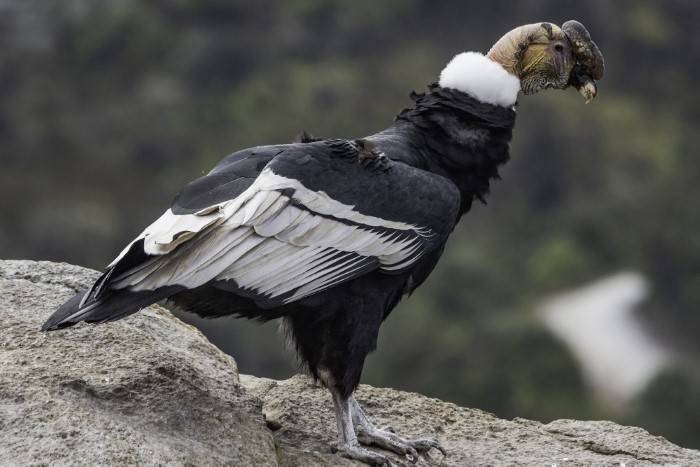
Revered as the king of the Andean skies, the Andean Condor commands attention with its massive size, impressive wingspan, and striking black plumage accented by white markings on its wings and neck. As one of the largest flying birds in the world, the Andean Condor embodies the spirit of freedom and majesty that soars above the rugged peaks and deep valleys of the Andes Mountains. Adult Andean Condors can weigh up to 33 pounds (15 kilograms) and possess wingspans that exceed 10 feet (3 meters), allowing them to soar effortlessly on thermal updrafts while scanning the landscape below for carrion.
The Regal California Condor (Gymnogyps californianus)
Once on the brink of extinction, the California Condor has made a remarkable comeback thanks to dedicated conservation efforts and captive breeding programs. With its impressive size, distinctive plumage, and graceful flight, the California Condor epitomizes the resilience and tenacity of nature’s survivors. Adult California Condors can weigh up to 26 pounds (12 kilograms) and possess wingspans of over 9 feet (2.7 meters), making them the largest land bird in North America. Today, these majestic birds serve as ambassadors for conservation, reminding us of the importance of protecting our natural heritage for future generations.
The Exceptional Bearded Vulture (Gypaetus barbatus)
Known for its distinctive appearance and unique feeding habits, the Bearded Vulture, also known as the Lammergeier, stands out as one of the largest and most enigmatic birds of prey in the world. With its impressive wingspan, powerful talons, and striking reddish-brown plumage, the Bearded Vulture cuts a striking figure as it soars over the rugged landscapes of Europe, Asia, and Africa. Adult Bearded Vultures can weigh up to 18 pounds (8 kilograms) and possess wingspans of over 9 feet (2.7 meters), allowing them to cover vast distances in search of carrion and bone fragments, which they consume as part of their specialized diet.
World of the Largest Birds of Prey
Large birds of prey play a crucial role in maintaining the balance of ecosystems and regulating populations of prey species. As apex predators, they help control the abundance of smaller mammals, birds, and reptiles, preventing overpopulation and maintaining healthy ecosystems. Additionally, they serve as indicators of environmental health and biodiversity, with declines in their populations often signaling broader ecological imbalances and habitat degradation.
Related Post:
Deciphering the Ideal Space Requirements for Ducks
Unveiling the Mysterious Egg-Laying Habits of Ducks
Exploring the Essential Role of Duck Grit in Avian Health
The world of the largest birds of prey is a realm of majesty, strength, and grace, where nature’s titans rule the skies with unparalleled dominance. From the towering Harpy Eagle of the Amazon rainforest to the majestic Andean Condor of the Andes Mountains, these magnificent raptors embody the essence of power, resilience, and beauty in the natural world. As stewards of the planet, it is our responsibility to cherish and protect these iconic species, ensuring that they continue to inspire awe and wonder for generations to come. So, the next time you gaze upon the soaring silhouette of a mighty eagle or the graceful glide of a majestic condor, take a moment to appreciate the remarkable diversity and splendor of the largest birds of prey, and the vital role they play in preserving the delicate balance of life on Earth.
