


Birds are not only renowned for their beauty and diversity but also for their intriguing collective nouns, which describe groups of birds in various settings. From a murder of crows to a parliament of owls, these terms add an element of whimsy and wonder to our understanding of avian society. In this comprehensive guide, we’ll delve into the captivating world of bird groups, exploring the origins, meanings, and usage of these unique collective nouns.
Understanding Collective Nouns
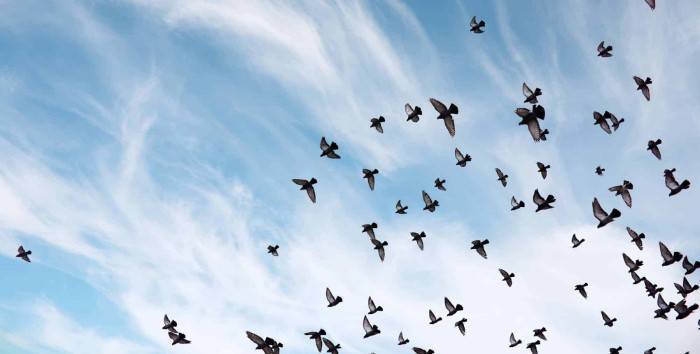
Collective nouns are words used to describe groups of people, animals, or things. In the case of birds, collective nouns serve as colorful descriptors that capture the essence of their behavior, appearance, or habitat. These terms are often steeped in tradition, folklore, and cultural symbolism, reflecting humanity’s enduring fascination with the natural world.
Origins and Evolution
Many collective nouns for birds have ancient origins, dating back to medieval times when hunting and falconry were popular pastimes among the aristocracy. These terms were used by hunters and falconers to communicate with one another and convey information about the presence and behavior of birds in the field. Over time, these terms became part of the English language and entered into common usage, enriching our vocabulary with their poetic imagery and evocative symbolism.
Common Collective Nouns
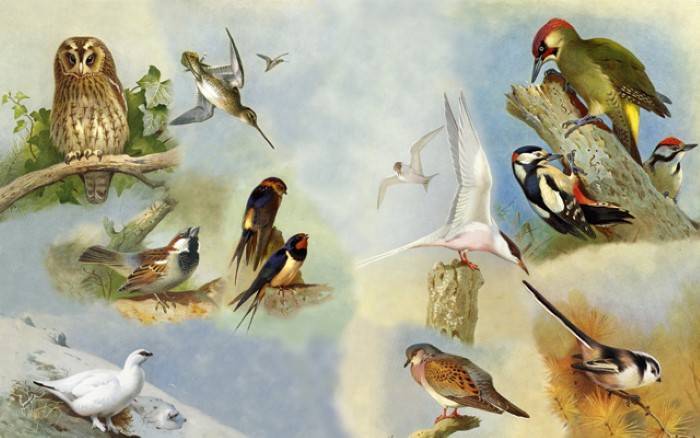
While there are hundreds of collective nouns for birds, some are more widely known and used than others. Here are some of the most common and beloved collective nouns for groups of birds:
- Flock: A flock is a group of birds, typically of the same species, that gather together for feeding, roosting, or migration. Flocks can vary in size from just a few individuals to thousands or even millions of birds, depending on the species and environmental conditions.
- Murder: A murder is a term used to describe a group of crows. This collective noun is thought to originate from the Old English word “murdrian,” meaning to kill or murder, possibly referring to the birds’ association with death and scavenging.
- Parliament: A parliament is a collective noun for a group of owls. This term is believed to stem from the owls’ reputation for wisdom and solemnity, evoking the image of a gathering of wise and deliberative creatures.
- Gaggle: A gaggle is a term used to describe a group of geese, particularly when they are on land. This playful term is thought to imitate the sound of geese honking as they communicate with one another.
- Pod: A pod is a collective noun for a group of dolphins or whales, but it is also occasionally used to describe a group of pelicans or other seabirds when they are swimming or feeding together.
- Skein: A skein is a term used to describe a V-shaped formation of migrating birds, such as geese or swans, flying together in the sky. This term is derived from the Middle English word “skein,” meaning a length of yarn or thread wound in a loose coil.
Regional Variations
It’s worth noting that collective nouns for birds can vary regionally and culturally, with different regions and languages having their own unique terms and expressions. For example, in the United Kingdom, a group of starlings is often referred to as a murmuration, while in North America, the term “cloud” is sometimes used to describe a similar phenomenon.
Fascinating World of Bird Groups
Collective nouns for birds often carry symbolic meanings and associations that reflect cultural beliefs, superstitions, and folklore. For example, the term “exaltation” is used to describe a group of larks, evoking the image of birds soaring high into the sky as if in worship or praise.
Related Post:
Unlocking the Mysteries of Duck Egg Laying: How Often Do Ducks Lay Eggs?
When Do Ducks Start Quacking? Unraveling the Quack-tastic Mystery
Exploring the Enigmatic Ancona Duck: A Quirky, Beautiful, and Versatile Breed
The world of collective nouns for birds is as diverse and enchanting as the avian species themselves. From the majestic flight of a skein of geese to the haunting call of a murder of crows, these terms evoke a sense of wonder and awe at the natural world. By exploring the origins, meanings, and usage of collective nouns for birds, we gain a deeper appreciation for the rich tapestry of language and symbolism that surrounds us. So the next time you encounter a group of birds in the wild, take a moment to reflect on the beauty and poetry of their collective noun, and marvel at the intricate web of connections that bind us to the natural world.
