


The cardinal, with its vibrant plumage and melodious song, holds a special place in the hearts of bird enthusiasts across the United States. As one of the most recognizable and beloved avian species, the cardinal has been honored as the official state bird in several states. In this blog post, we’ll explore the widespread popularity of the cardinal as a state bird, its significance in different regions, and the cultural and ecological importance of this iconic species.
The Symbolism of the Cardinal: A State Bird Emblem
State Bird Designations:
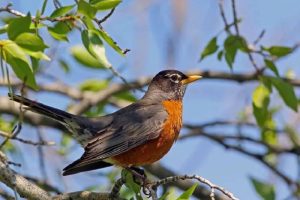
The cardinal, known for its striking red coloration and distinctive crest, has been designated as the official state bird in multiple states across America. These designations reflect the cardinal’s cultural significance and widespread presence in diverse habitats.
Cultural Significance:
In addition to its ornithological importance, the cardinal holds symbolic significance in various cultures and traditions. Often associated with vitality, strength, and renewal, the cardinal’s presence is celebrated in folklore, literature, and art.
States With the Cardinal as Their State Bird: A Comprehensive List
Illinois:
The cardinal was designated as the official state bird of Illinois in 1929, recognizing its prevalence and popularity within the state’s borders. The northern cardinal (Cardinalis cardinalis) is particularly abundant in Illinois, where it thrives in woodlands, parks, and suburban areas.
Indiana:
Indiana adopted the cardinal as its state bird in 1933, celebrating its beauty and significance as a native species. The vibrant plumage of the male cardinal adds a splash of color to Indiana’s landscape throughout the year.
Kentucky:
Kentucky selected the northern cardinal as its state bird in 1926, honoring its role as a symbol of the state’s natural heritage. The cardinal’s cheerful song and striking appearance make it a beloved emblem of Kentucky’s diverse ecosystems.
North Carolina:
North Carolina designated the northern cardinal as its state bird in 1943, recognizing its prevalence and cultural significance in the region. The cardinal’s presence in North Carolina’s forests, parks, and gardens adds to the state’s rich biodiversity.
Ohio:
Ohio adopted the cardinal as its state bird in 1933, acknowledging its widespread distribution and popularity among residents. The cardinal’s distinctive red plumage contrasts beautifully with Ohio’s diverse habitats, from woodlands to urban parks.
Virginia:
Virginia selected the northern cardinal as its state bird in 1950, highlighting its importance as a native species and symbol of natural beauty. The cardinal’s melodious song and vibrant colors brighten Virginia’s landscapes year-round.
Ecological Role and Habitat Preferences
Habitat Diversity:
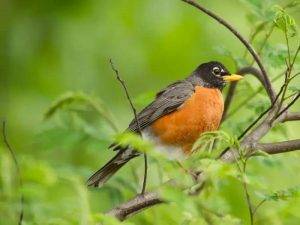
Cardinals are adaptable birds that inhabit a variety of habitats, including woodlands, suburban areas, and parks. They are often found in dense shrubs and brushy areas where they can forage for seeds, berries, and insects.
Seed Dispersal:
Cardinals play a role in seed dispersal by consuming fruits and berries and dispersing seeds through their droppings. This contributes to the regeneration of plant species and helps maintain healthy ecosystems.
Conservation and Protection Efforts
Habitat Preservation:
Conservation organizations and agencies work to protect and preserve habitat areas essential for cardinal populations. Efforts such as land acquisition, habitat restoration, and public education initiatives help safeguard the cardinal’s natural habitats.
A Beloved State Bird Across America
Citizen science programs engage bird enthusiasts in monitoring cardinal populations and contributing data to scientific research projects. These initiatives provide valuable insights into population trends, habitat preferences, and conservation priorities.
Related Post:
Unlocking the Mystery of Unfertilized Duck Eggs
Discovering the Allure of the Swedish Blue
Unlocking the Mystery of When Ducks Lay Eggs
Unveiling the Fascinating Differences Between Male and Female Muscovy Ducks
In conclusion, the northern cardinal holds a cherished place as the official state bird in several states across America, symbolizing beauty, vitality, and resilience. From its striking appearance to its melodious song, the cardinal captivates bird enthusiasts and fosters a connection to the natural world. By recognizing and celebrating the cardinal’s cultural and ecological significance, we can ensure its continued presence and conservation for future generations to enjoy. So, whether glimpsed in a backyard feeder or heard singing in a woodland thicket, the cardinal remains a beloved emblem of America’s avian heritage.
