

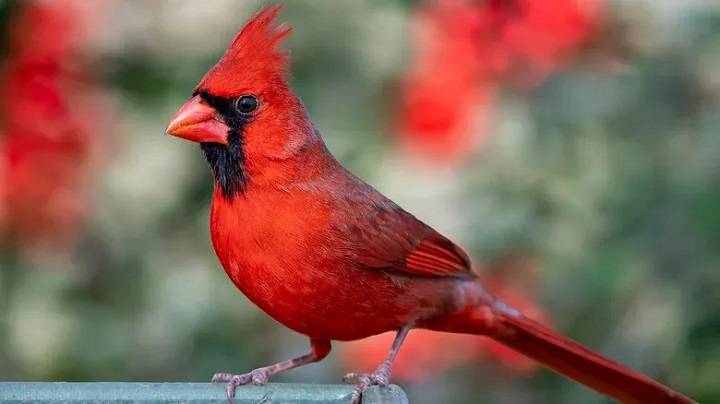
Few sights in nature rival the breathtaking beauty of a cardinal bird perched against a backdrop of snow or foliage, its vibrant plumage standing out in vivid contrast. Cardinals, with their striking colors and melodious songs, hold a special place in the hearts of birdwatchers and nature enthusiasts. In this blog post, we’ll delve into the fascinating world of cardinal bird colors, exploring the significance of their plumage variations and the ecological roles they play in the natural world.
The Iconic Red Plumage of Male Cardinals
Vivid Scarlet Hues:
- Male northern cardinals (Cardinalis cardinalis) are renowned for their brilliant scarlet plumage, which adorns their crest, wings, and tail. The intense red coloration is the result of pigments called carotenoids, which are obtained from their diet of fruits and seeds.
Sexual Dimorphism:
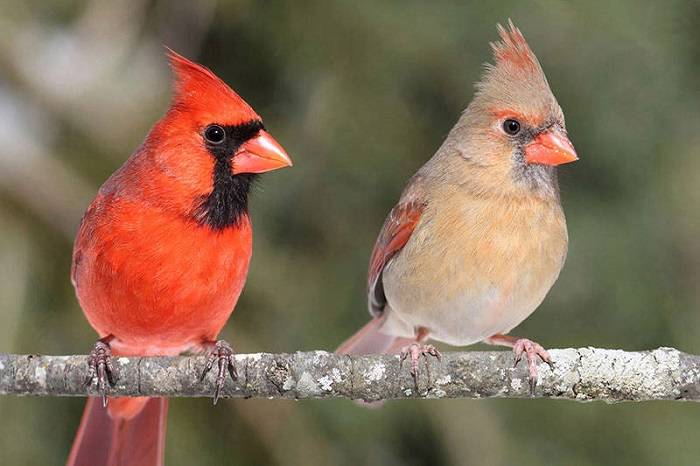
- One of the most notable features of cardinal birds is their sexual dimorphism, with males exhibiting vibrant red plumage and females sporting more subdued colors. The bright red hues of male cardinals serve as visual signals of their health and genetic fitness to potential mates.
Subtle Elegance: The Plumage of Female Cardinals
Earthy Tones:
- Female cardinals possess a more muted plumage compared to males, with shades of brown, olive, and gray dominating their feathers. This cryptic coloration helps females blend into their surroundings while nesting and foraging, providing camouflage from predators.
Subdued Crests:
- Unlike males, female cardinals have less prominent crests and lack the vibrant red coloration on their heads. Their crest feathers are typically brown or gray, providing additional camouflage and protection while roosting in trees and shrubs.
Juvenile Plumage: Transitioning to Adulthood
Juvenile Cardinals:
- Young cardinals hatch from eggs with grayish-brown downy feathers that provide insulation and protection during the early stages of development. As they mature, juveniles gradually molt into their adult plumage, with males acquiring the distinctive red hues and females retaining their earthy tones.
Learning from Parents:
- Juvenile cardinals learn important survival skills from their parents, including foraging techniques, predator avoidance behaviors, and territory defense. Their plumage coloration may play a role in signaling their age and status within the family group.
Ecological Significance of Cardinal Plumage
Mate Selection:
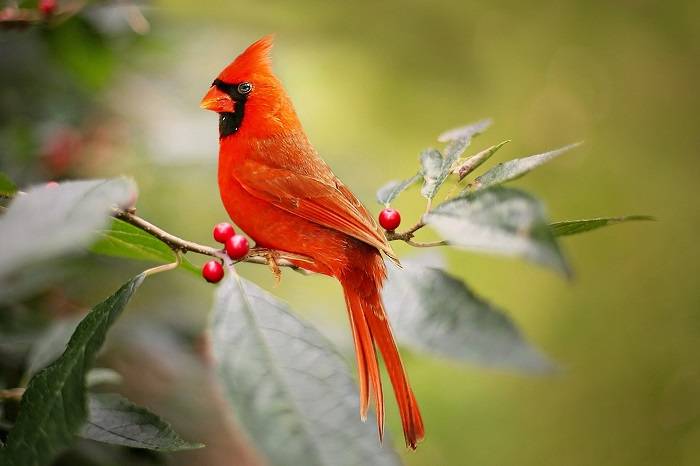
- The vibrant red plumage of male cardinals serves as a visual cue during courtship rituals, with females preferring mates with brighter and more intense colors. The red coloration indicates good health, vigor, and genetic quality, enhancing the likelihood of successful reproduction.
Predator Avoidance:
- While the bright red plumage of male cardinals may attract mates, it also increases their visibility to predators such as hawks, cats, and snakes. Female cardinals, with their cryptic coloration, are better able to conceal themselves from predators while nesting and foraging.
Cultural and Symbolic Meanings
Spiritual Significance:
- In many cultures, cardinals are revered as symbols of vitality, renewal, and divine blessings. Their vibrant red plumage is often associated with passion, courage, and resilience, inspiring poets, artists, and spiritual seekers alike.
Seasonal Associations:
- In regions where cardinals are year-round residents, their presence is often linked to seasonal transitions, particularly during the winter months. The sight of a cardinal against a snowy backdrop symbolizes hope, warmth, and the promise of spring’s return.
The Radiant Colors of Cardinals
Habitat Protection:
- Preserving and restoring habitats that support cardinal populations is essential for their long-term survival. Protecting woodlands, shrublands, and urban green spaces provides cardinals with suitable nesting sites, food sources, and roosting habitats.
Awareness and Education:
- Raising awareness about the ecological importance of cardinals and the threats they face, such as habitat loss, climate change, and predation, can help garner support for conservation efforts. Educating communities about bird-friendly gardening practices and minimizing pesticide use can create healthier environments for cardinals and other wildlife.
Related Post:
Unlocking the Mysteries of Duck Egg Laying: How Often Do Ducks Lay Eggs?
When Do Ducks Start Quacking? Unraveling the Quack-tastic Mystery
Exploring the Enigmatic Ancona Duck: A Quirky, Beautiful, and Versatile Breed
The radiant colors of cardinal birds symbolize vitality, beauty, and resilience in the natural world. From the vibrant red plumage of males to the understated elegance of females, cardinals captivate us with their striking appearances and melodious songs. By understanding the significance of their plumage variations and the ecological roles they play, we can appreciate and protect these iconic birds for generations to come.
