


Throughout history, owls have been surrounded by an aura of mystery and superstition. Revered as symbols of wisdom and feared as omens of doom, these enigmatic creatures have captured the human imagination for centuries. In this blog post, we’ll delve into the mythological origins of the belief that owls are bad luck, examine the ecological significance of owls in nature, and debunk the misconceptions that have perpetuated this superstition.
The Mythological Origins of Owl Superstitions
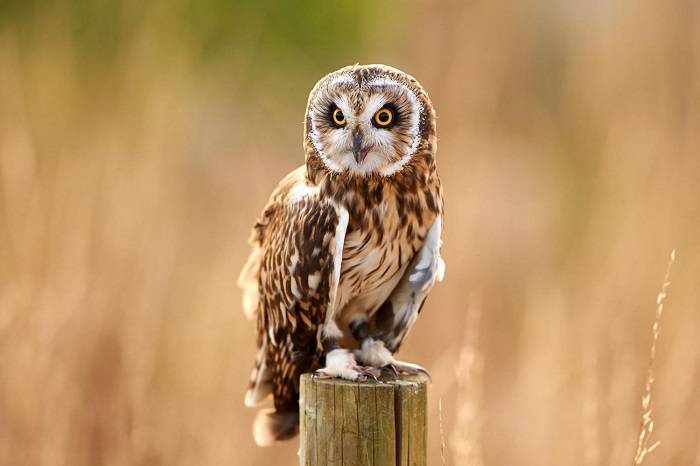
Cultural Interpretations:
- Across different cultures and civilizations, owls have been associated with a wide range of beliefs and superstitions. In some traditions, owls are revered as symbols of wisdom, foresight, and protection, while in others, they are feared as harbingers of death and misfortune.
Night Creatures:
- Owls’ nocturnal habits and eerie calls have contributed to their mystique and association with darkness and the unknown. In many cultures, owls are believed to be creatures of the night, with supernatural powers and connections to the spirit world.
Common Superstitions Surrounding Owls
Death Omens:
- One of the most prevalent superstitions about owls is the belief that their hoots or sightings foretell death or tragedy. This belief likely stems from the owl’s association with darkness and its ability to navigate through the night with silent, predatory precision.
Ill Omens:
- In some cultures, encountering an owl is considered a sign of impending doom or bad luck. This belief has led to the portrayal of owls as symbols of evil or misfortune in folklore, literature, and popular culture.
Debunking the Myths: Understanding Owl Behavior and Ecology
Predatory Nature:
- While owls are formidable hunters and predators, their presence in the environment serves an essential ecological role in controlling rodent populations and maintaining ecosystem balance. Far from being omens of death, owls contribute to the health and stability of their habitats.
Adaptations for Survival:
- Owls’ unique adaptations, such as their silent flight, keen senses, and specialized talons, are honed for hunting small mammals, birds, and insects under the cover of darkness. These adaptations reflect the evolutionary success of owls as apex predators in their respective ecosystems.
The Wisdom of Owls: Symbols of Knowledge and Insight
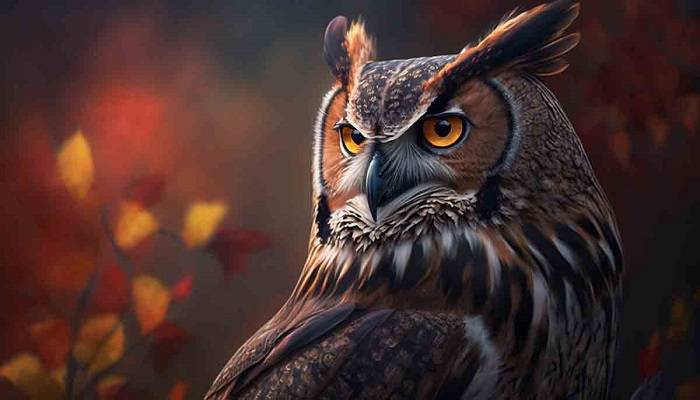
Ancient Symbolism:
- In ancient Greek and Roman mythology, owls were associated with Athena and Minerva, the goddesses of wisdom, strategy, and warfare. Owls’ keen eyesight, acute hearing, and stoic demeanor symbolized qualities of intelligence, intuition, and foresight.
Cultural Reverence:
- In Native American cultures, owls are revered as spirit guides and guardians of sacred knowledge. They are believed to possess the ability to see beyond the veil of darkness and guide individuals through life’s challenges with clarity and wisdom.
Owls in Popular Culture and Folklore
Literary Symbolism:
- Owls have appeared in literature and folklore as both symbols of wisdom and agents of darkness. From the wise and watchful owl in Aesop’s fables to the ominous presence of the “hoot owl” in Southern folklore, these birds have left an indelible mark on storytelling and mythmaking.
Modern Interpretations:
- In contemporary culture, owls continue to fascinate and inspire, appearing in art, literature, and media as iconic symbols of mystery, magic, and mysticism. While some depictions reinforce negative stereotypes, others celebrate owls’ beauty, grace, and ecological significance.
Are Owls Really Bad Luck
Habitat Protection:
- Preserving and restoring habitats that support owl populations is essential for their conservation. Protecting forests, grasslands, and wetlands provides owls with suitable nesting sites, hunting grounds, and roosting habitats.
Education and Awareness:
- By dispelling myths and promoting factual information about owls, we can foster greater appreciation and understanding of these magnificent birds. Education initiatives, birdwatching events, and outreach programs can raise awareness about the importance of owl conservation and the role they play in maintaining healthy ecosystems.
Related Post:
Cracking the Mystery: How Long Does It Take for Duck Eggs to Hatch?
Unlocking the Egg-Laying Mystery: When Do Ducks Start Laying Eggs?
Choosing the Perfect Pet Duck: A Comprehensive Guide
The belief that owls are bad luck is rooted in superstition and myth rather than scientific fact. Owls are not omens of death or misfortune but rather fascinating creatures with unique adaptations and ecological significance. By challenging misconceptions and embracing a deeper understanding of owls’ behavior, symbolism, and conservation needs, we can appreciate and celebrate these majestic birds for their beauty, wisdom, and essential role in the natural world.
