

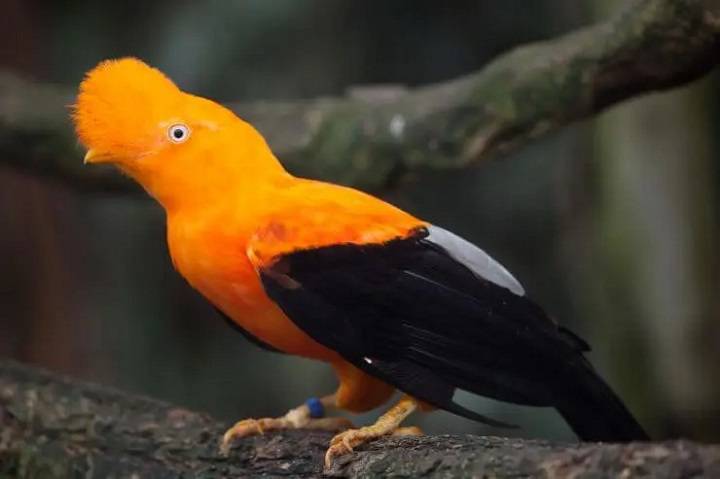
In the colorful tapestry of the avian kingdom, few features capture the imagination quite like the vibrant hues of a bird’s beak. From brilliant blues to fiery reds, the diversity of colors adorning bird beaks is as striking as it is diverse. In this blog post, we embark on a journey to discover the mesmerizing world of birds with orange beaks, exploring the fascinating array of species, ecological adaptations, and evolutionary significance behind these distinctive features.
The Significance of Bird Beak Colors

Visual Communication:
- Bird beak colors play a crucial role in visual communication, serving as signals for species recognition, mating displays, and territorial defense. The bright orange hues of certain bird beaks can attract mates, deter rivals, and convey important information about an individual bird’s health and vitality.
Ecological Adaptations:
- The coloration of a bird’s beak is often linked to its diet, habitat, and ecological niche. Birds with orange beaks may specialize in feeding on specific types of food, such as fruits, insects, or nectar, which require specialized beak shapes and sizes for efficient foraging.
Diverse Species of Birds with Orange Beaks
Atlantic Puffin (Fratercula arctica):
- Renowned for its distinctive appearance and comical antics, the Atlantic puffin is adorned with a brightly colored orange beak during the breeding season. This beak serves multiple functions, including attracting mates and carrying multiple fish back to the nest to feed hungry chicks.
Toco Toucan (Ramphastos toco):
- With its oversized orange beak and striking black and white plumage, the Toco toucan is one of the most iconic birds of the South American rainforest. This magnificent bird uses its beak to pluck fruits from tree branches and crack open seeds, showcasing the versatility of its specialized feeding tool.
American Oystercatcher (Haematopus palliatus):
- Found along coastal shorelines and estuaries, the American oystercatcher is characterized by its distinctive orange bill, which it uses to probe and pry open shellfish, crustaceans, and mollusks. This specialized adaptation allows the oystercatcher to exploit intertidal habitats for food.
Evolutionary Origins of Orange Beak Coloration
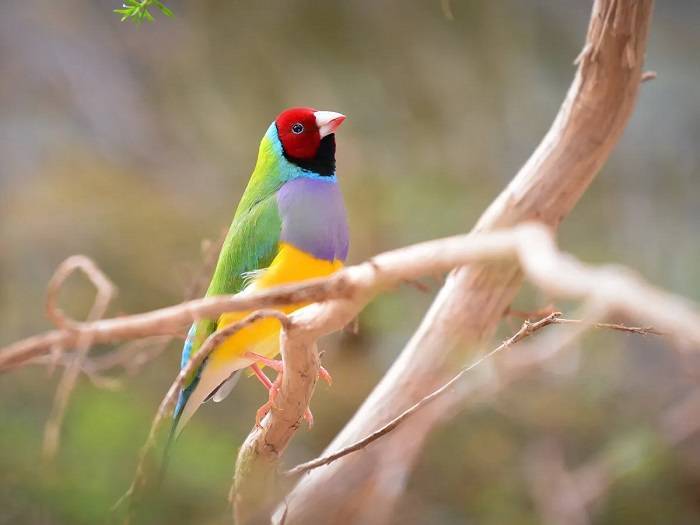
Pigment Production:
- The vibrant colors of bird beaks, including orange, are often produced by specialized pigments called carotenoids, which are obtained through the diet. Birds that consume carotenoid-rich foods, such as fruits and vegetables, may exhibit brighter and more intense beak colors.
Sexual Selection:
- In many bird species, beak coloration is subject to sexual selection, with individuals preferring mates with brighter or more vibrant beaks. This evolutionary pressure may drive the development of elaborate and conspicuous beak colors as a form of mate attraction and reproductive success.
Cultural Significance and Symbolism
Folklore and Mythology:
- Birds with orange beaks have appeared in folklore, mythology, and cultural traditions around the world, often symbolizing themes of vitality, abundance, and fertility. In some cultures, the sight of an orange-beaked bird is believed to bring good luck and prosperity.
Art and Symbolism:
- Artists and artisans have long been inspired by the vibrant colors and graceful forms of birds with orange beaks, incorporating them into paintings, sculptures, and decorative motifs. The symbolism of these birds often evokes themes of beauty, grace, and harmony with nature.
Birds with Orange Beaks
Habitat Loss and Fragmentation:
- Many bird species with orange beaks are threatened by habitat loss, fragmentation, and degradation due to human activities such as deforestation, urbanization, and agricultural expansion. Protecting and restoring critical habitats is essential for the survival of these birds and their ecosystems.
Climate Change Impacts:
- Climate change poses significant challenges for birds with orange beaks, affecting their distribution, breeding patterns, and food availability. Rising temperatures, shifts in precipitation patterns, and extreme weather events can disrupt migratory routes and alter the abundance of food resources.
Related Post:
Discovering the Enigmatic World of Rare Duck Breeds
The Essential Guide to Pet Ducks: Care, Behavior, and Joys of Keeping Ducks
Discovering the Distinctive Charm of Aylesbury Ducks: A Classic Duck Breed
Birds with orange beaks exemplify the beauty and diversity of the natural world, showcasing the remarkable adaptations and evolutionary innovations that have shaped their existence. From the playful antics of puffins to the majestic flights of toucans, these birds inspire awe and admiration wherever they are found. By appreciating and protecting the habitats and ecosystems that support birds with orange beaks, we can ensure that future generations will continue to marvel at the splendor of these magnificent creatures.
