

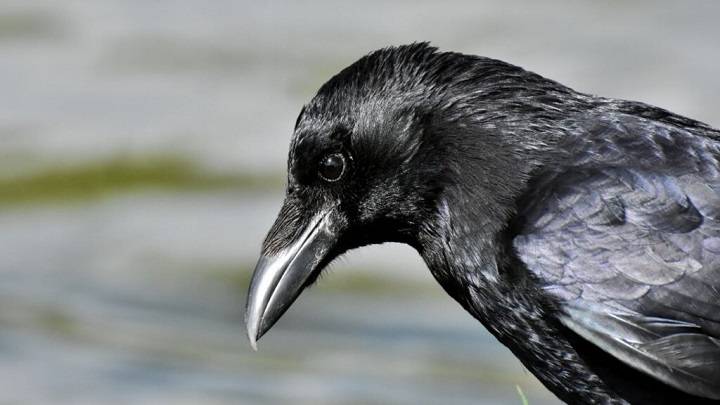
Crows, with their sleek black feathers and piercing intelligence, have long captured the fascination of humans. Found in urban environments, rural landscapes, and forests around the world, these remarkable birds are known for their adaptability, resourcefulness, and complex social behaviors. In this blog post, we delve into the intriguing world of crows, shedding light on their lifespan, factors influencing longevity, and the significance of their remarkable adaptations.
The Lifespan of Crows: A Closer Look
Average Lifespan:
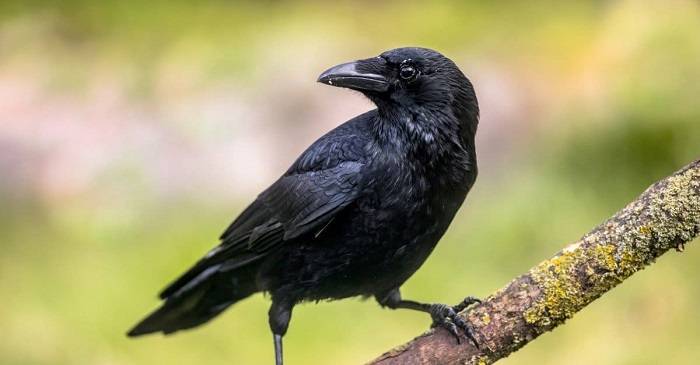
- In the wild, crows have been known to live anywhere from 7 to 10 years on average. However, under optimal conditions and with access to abundant food sources and minimal predation, some crows have been documented living well into their late teens or even early twenties.
Captivity vs. Wild:
- Crows kept in captivity, such as in aviaries or wildlife rehabilitation centers, may have slightly longer lifespans compared to their wild counterparts. In these controlled environments, they are protected from many of the threats and challenges faced in the wild, leading to increased longevity.
Factors Influencing Crow Lifespan
Diet and Nutrition:
- The availability of food plays a significant role in determining the lifespan of crows. A varied diet consisting of seeds, fruits, insects, small mammals, and carrion provides essential nutrients and energy for survival. Access to high-quality food sources can enhance overall health and longevity.
Predation and Threats:
- Predators such as hawks, owls, raccoons, and domestic pets pose significant threats to crows, especially nestlings and juveniles. Avoiding predation and minimizing exposure to environmental hazards can increase the chances of survival and longevity.
Environmental Factors:
- Crows are highly adaptable birds, capable of thriving in a wide range of habitats and climates. However, environmental factors such as extreme weather events, habitat loss, pollution, and human disturbance can impact their survival and reproductive success.
The Remarkable Adaptations of Crows
Problem-Solving Skills:
- Crows are renowned for their exceptional cognitive abilities and problem-solving skills. They can use tools, recognize human faces, and demonstrate complex social behaviors such as cooperative hunting and communication through calls and gestures.
Social Structure:
- Crows live in complex social groups known as flocks or murders, which may consist of family members and unrelated individuals. These social structures provide opportunities for cooperation, learning, and sharing of resources, enhancing their chances of survival and reproduction.
The Role of Crows in Ecosystems
Seed Dispersal:
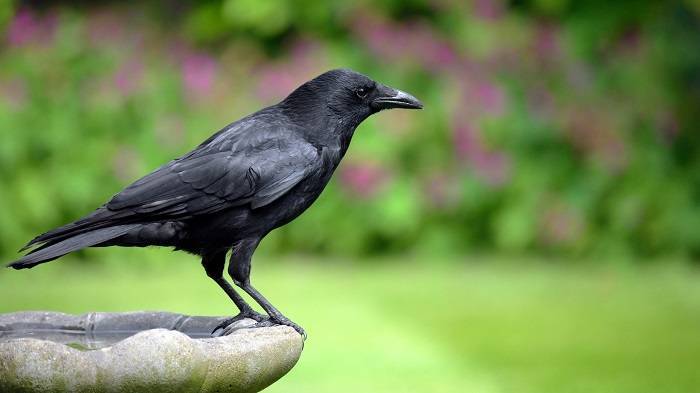
- Crows play a vital role in ecosystem dynamics through seed dispersal. By consuming fruits and seeds and transporting them to different locations, they help to disperse plant species and promote biodiversity within their habitats.
Scavenging and Cleanup:
- Crows are opportunistic feeders and play a crucial role in scavenging and cleanup within their environments. They help to remove carrion and organic debris, reducing the risk of disease transmission and maintaining ecosystem health.
Human-Crow Interactions
Urban Adaptations:
- Crows have adapted remarkably well to urban environments, where they can find abundant food sources, nesting sites, and opportunities for foraging. However, conflicts with humans, such as crop damage, nest predation, and noise nuisance, can lead to negative perceptions and control measures.
Cultural Significance:
- Crows have been featured prominently in folklore, mythology, and cultural traditions around the world. While they are often portrayed as symbols of death or misfortune in some cultures, they are revered as symbols of intelligence, resourcefulness, and adaptability in others.
The Lifespan of Crows
Habitat Protection:
- Protecting and preserving natural habitats, including forests, wetlands, and grasslands, is essential for the long-term survival of crows and other wildlife species. Conservation efforts aimed at habitat restoration and management can benefit both crows and their ecosystems.
Public Education:
- Educating the public about the importance of crows and dispelling myths and misconceptions can foster greater appreciation and understanding of these remarkable birds. Public outreach programs, citizen science initiatives, and educational materials can promote coexistence and conservation efforts.
Related Post:
Exploring Duck-Chicken Compatibility: Can They Coexist?
Unraveling the Complex World of Aggressive Male Duck Behavior
Deciphering the Ideal Space Requirements for Ducks
Crows are remarkable birds that exemplify resilience, adaptability, and intelligence. With their complex social behaviors, problem-solving skills, and diverse adaptations, they play essential roles in ecosystems and hold cultural significance in human societies. By understanding the factors influencing crow lifespan, appreciating their ecological contributions, and promoting conservation efforts, we can ensure the continued survival and prosperity of these fascinating birds for generations to come.
