

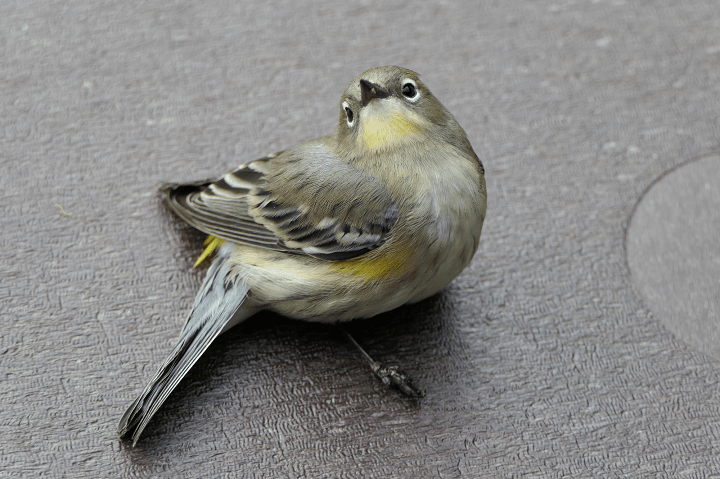
Encountering a motionless bird can be a perplexing and concerning experience, leaving us unsure of how to proceed. Whether you’re a seasoned bird enthusiast or a curious observer, learning to identify the signs of a deceased bird is an essential skill that can aid in understanding the natural world and facilitating appropriate responses. In this blog post, we’ll explore the indicators that can help you determine if a bird is indeed deceased, as well as provide guidance on what to do if you come across one.
Observing External Signs of Life
Lack of Movement:
- The most obvious sign that a bird may be deceased is the absence of any movement or activity. Watch closely for any signs of breathing, twitching, or fluttering of the wings, which are indicative of life.
Eyes and Beak:
- Examine the bird’s eyes and beak for any signs of responsiveness. In living birds, the eyes are typically bright and alert, while the beak may open and close as the bird breathes or vocalizes.
Assessing Physical Condition
Body Position:
- Take note of the bird’s posture and body position. A deceased bird may lie flat on the ground with its legs extended, wings folded against its body, and head resting on the ground.
Rigor Mortis:
- Rigor mortis, the stiffening of muscles after death, may also be evident in deceased birds. Gently press on the bird’s legs or wings to assess their flexibility. Stiffness and resistance indicate that rigor mortis has set in.
Checking for Vital Signs
Breathing and Heartbeat:
- Carefully observe the bird’s chest area for any rhythmic movements that indicate breathing or heartbeat. Place your hand lightly over the bird’s chest to feel for any subtle pulsations.
Pupil Response:
- Shine a light into the bird’s eyes and observe the pupils for any changes in size or responsiveness. In living birds, the pupils may constrict or dilate in response to light stimuli.
Environmental Factors

Temperature Sensitivity:
- Cold temperatures can slow down a bird’s metabolic rate and mimic the appearance of death. If you encounter a bird in a cold environment, gently warm it in your hands or cover it with a cloth to see if it responds.
Weather Conditions:
- Adverse weather conditions, such as extreme heat or cold, can impact a bird’s health and behavior. Dehydration, heatstroke, or hypothermia may contribute to a bird appearing lethargic or unresponsive.
Ethical Considerations
Approach with Caution:
- When assessing the condition of a bird, approach with caution and avoid causing unnecessary stress or harm. Keep a safe distance and refrain from handling the bird unless absolutely necessary.
Respect Wildlife Laws:
- In many regions, it is illegal to disturb or handle wild birds without proper authorization. Familiarize yourself with local wildlife laws and regulations before attempting to intervene or handle a bird.
How to Determine If a Bird Is Deceased
Contact Authorities:
- If you encounter a deceased bird in a public area or wildlife reserve, notify the appropriate authorities, such as local wildlife agencies, conservation organizations, or park rangers. They can assess the situation and take appropriate action.
Document Your Observations:
- If possible, take photographs or make notes about the bird’s location, condition, and any relevant details. This information can help wildlife experts determine the cause of death and identify potential threats to bird populations.
Related Post:
Unveiling the Mysterious Egg-Laying Habits of Ducks
Exploring the Essential Role of Duck Grit in Avian Health
Unlocking the Mysteries of Duck Egg Laying: How Often Do Ducks Lay Eggs?
Learning to recognize the signs of a deceased bird is an important skill that can promote compassionate observation and conservation of wildlife. By understanding the indicators of death and responding appropriately, we can contribute to the protection and preservation of bird populations and their habitats. Remember to approach with caution, respect wildlife laws, and seek guidance from qualified authorities when encountering birds in distress. Together, we can foster a deeper appreciation for the natural world and promote the well-being of birds and their ecosystems.
