

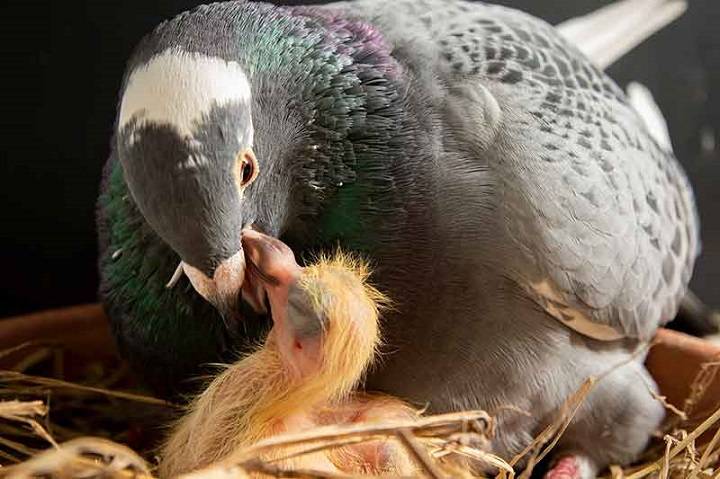
In bustling city streets and tranquil park settings alike, the gentle cooing of pigeons is a familiar sound that adds a touch of serenity to our surroundings. Yet, behind this seemingly simple vocalization lies a complex array of behaviors and motivations. In this exploration, we embark on a journey to unravel the enigma of why pigeons coo, delving into the evolutionary, social, and communicative aspects of this distinctive avian behavior.
The Pigeon’s Coo: A Symphony of Sound
Vocalization Patterns:
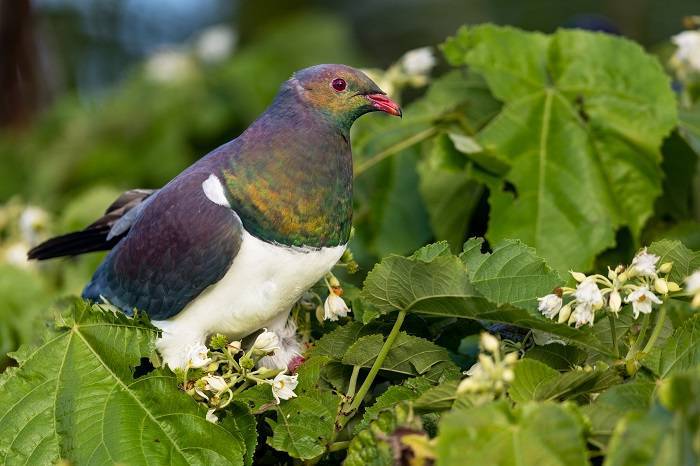
Pigeons are renowned for their melodious cooing, characterized by soft, rhythmic sounds produced by inflating and deflating their esophagus. This vocalization is often described as a series of low-pitched, repetitive “coo-coo” or “coo-roo-coo” calls, which can vary in intensity and duration depending on the context.
Social Context:
Pigeons are highly social birds, forming complex social structures and intricate communication networks within flocks. Cooing serves as a means of social bonding and cohesion, allowing pigeons to maintain contact with flock members, establish territory boundaries, and communicate their presence to potential mates.
Communicative Functions of Cooing
Mate Attraction:
One of the primary functions of cooing in pigeons is mate attraction and courtship display. Male pigeons often engage in elaborate cooing rituals during the breeding season, puffing out their chest feathers and strutting in front of females while emitting melodious coos to woo potential mates.
Territorial Defense:
Cooing also plays a crucial role in territorial defense and establishment. Male pigeons may vocalize loudly to assert their dominance and deter rival males from encroaching on their territory. The intensity and frequency of cooing can serve as a signal of strength and vigor, influencing the outcome of territorial disputes.
Environmental Influences on Cooing Behavior
Time of Day:
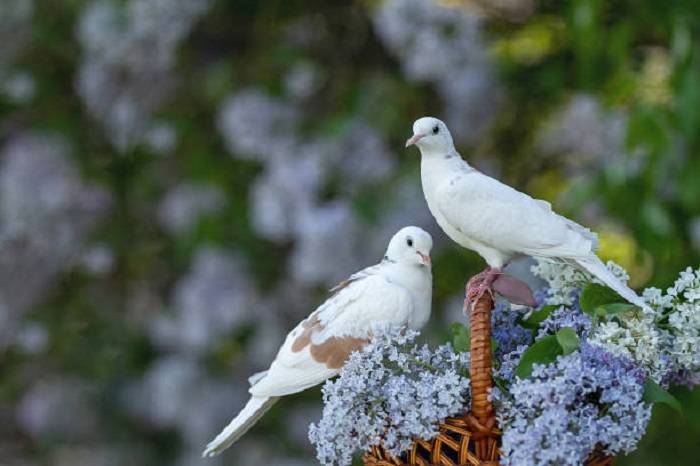
Pigeons are diurnal birds, meaning they are most active during daylight hours. Cooing activity tends to peak in the early morning and late afternoon, coinciding with periods of heightened social interaction, foraging, and breeding activity.
Seasonal Variation:
Cooing behavior exhibits seasonal variation, with increased vocalization during the breeding season when competition for mates is most intense. As the breeding season progresses, cooing may become less frequent as pairs establish nesting sites and focus on raising their young.
Individual Variation and Vocal Repertoire
Unique Vocalizations:
While cooing is a common vocalization among pigeons, individual birds may exhibit unique variations in their vocal repertoire. Factors such as age, sex, genetic predisposition, and social environment can influence the pitch, rhythm, and timbre of a pigeon’s cooing calls.
Learning and Imitation:
Pigeons are capable of learning and imitating vocalizations from other members of their flock, including variations in cooing patterns. Young pigeons often acquire cooing behaviors through social learning and vocal mimicry, adapting their vocalizations to match those of experienced adults.
Cultural and Urban Adaptations
Urban Environments:
Pigeons have demonstrated remarkable adaptability to urban environments, where they have become a ubiquitous presence in cities worldwide. In urban settings, cooing serves as a means of communication among pigeons navigating complex urban landscapes, establishing roosting sites, and foraging for food.
Reasons Behind Pigeons’ Cooing
Human interactions with pigeons can also influence their cooing behavior. Pigeons may adjust their vocalizations in response to human presence, such as cooing more softly in crowded areas or vocalizing more loudly in the absence of perceived threats.
Related Post:
Songs About Birds: A Melodic Journey Through Avian Inspiration
A Symphony of Beauty: Exploring the World of Beautiful Birds
Birds of a Different Feather: Unveiling the Fascinating World of Weird Birds
The Enigmatic Beauty of Ducks with Red Faces
In conclusion, the cooing of pigeons is a multifaceted behavior that serves a variety of communicative, social, and ecological functions. From mate attraction and territorial defense to social bonding and environmental adaptation, cooing plays a central role in the lives of these charismatic birds. By understanding the intricacies of pigeon cooing, we gain insight into the complex dynamics of avian communication and social behavior, enriching our appreciation for these beloved urban dwellers. As we listen to the melodious symphony of pigeon coos echoing through city streets and parklands, we are reminded of the enduring connection between humans and nature, and the remarkable diversity of life that surrounds us.
