

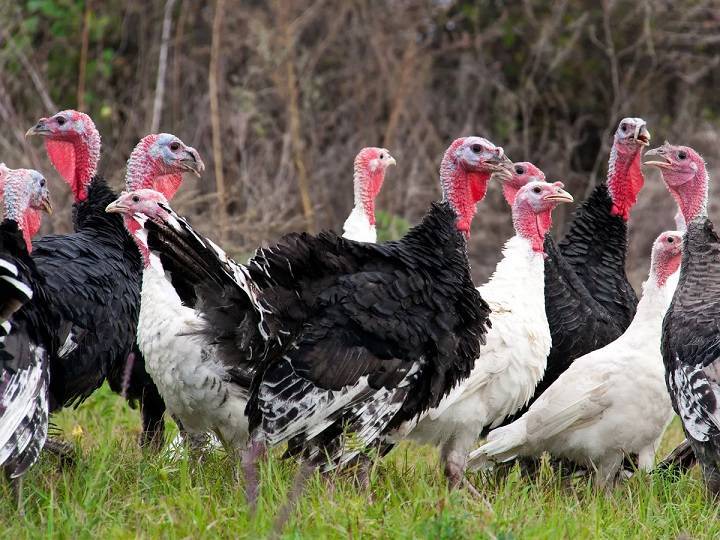
In the realm of ornithology, the terminology used to describe groups of birds adds an intriguing layer of complexity and nuance to our understanding of avian behavior and social dynamics. Turkeys, with their distinctive appearance and fascinating behaviors, are no exception. In this comprehensive exploration, we delve into the terminology used to describe groups of turkeys, shedding light on the origins, meanings, and cultural significance of these collective nouns.
The Language of Collectives
Collective Nouns Defined:
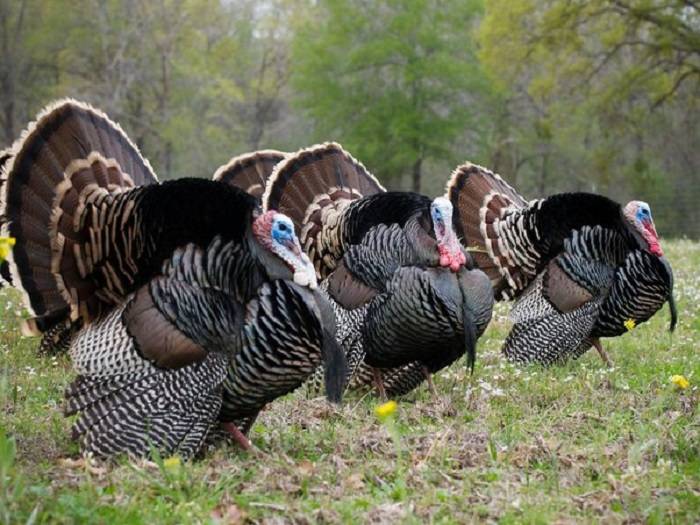
Collective nouns are words used to describe groups of people, animals, or things. They serve to encapsulate the collective identity or behavior of the entities they refer to, offering insights into social structures and interactions within a group. In the case of birds, collective nouns often reflect observable behaviors or characteristics exhibited by the species.
Diversity of Terminology:
The English language boasts a rich and diverse array of collective nouns, with each species often having multiple terms to describe groups of individuals. These terms can vary regionally, culturally, and historically, reflecting the linguistic evolution and cultural context of the communities that use them.
Terminology for Groups of Turkeys
“Flock”:
The most commonly used term to describe a group of turkeys is “flock.” This term, widely applied to various bird species, signifies a gathering or assembly of individuals moving, feeding, or roosting together. Flocks of turkeys may consist of individuals of varying ages and sexes, exhibiting cohesive behaviors such as foraging and roosting.
“Rafter”:
Another term used to describe a group of turkeys is “rafter.” While less commonly encountered than “flock,” the term “rafter” refers specifically to a group of turkeys gathered in trees, particularly during roosting or resting periods. The origin of the term is unclear, but it likely stems from the sight of turkeys perched on branches resembling the rafters of a building.
Regional Variations:
In addition to “flock” and “rafter,” regional variations of collective nouns for turkeys exist in different parts of the world. For example, in some regions of the United States, turkeys may be referred to as a “gang,” “posse,” or “crop” when seen in groups. These terms reflect colloquial usage and local dialects.
Cultural and Folkloric Significance
Hunting Traditions:

The terminology used to describe groups of turkeys often carries cultural significance, particularly in regions where turkey hunting is a popular tradition. Phrases such as “gang” or “posse” may have originated from hunting terminology, where hunters refer to groups of turkeys they encounter in the wild.
Symbolism and Superstitions:
Turkeys have also played significant roles in folklore, mythology, and cultural traditions. In some cultures, turkeys are associated with abundance, fertility, and harvest rituals, imbuing collective nouns with symbolic meanings and superstitions. For example, encountering a “rafter” of turkeys during a hunt may be seen as a sign of good luck or a bountiful harvest.
Behavioral Insights
Social Dynamics:
Studying the behavior of turkeys in groups provides valuable insights into their social dynamics and communication patterns. Flocks and rafters of turkeys exhibit complex social structures, with individuals engaging in vocalizations, displays, and hierarchical interactions to establish dominance, attract mates, and maintain cohesion within the group.
Collective Identity of Turkeys
Understanding the roosting behavior of turkeys, particularly in rafters, is essential for conservation efforts and habitat management. Turkeys roost in trees to avoid predators and seek shelter from the elements, often selecting dense foliage or tall trees with sturdy branches for protection.
Related Post:
The Essential Guide to Pet Ducks: Care, Behavior, and Joys of Keeping Ducks
Discovering the Distinctive Charm of Aylesbury Ducks: A Classic Duck Breed
Cracking the Cayuga Duck Egg Mystery: Unveiling the Secrets of Cayuga Duck Eggs
In conclusion, the terminology used to describe groups of turkeys reflects a rich tapestry of linguistic, cultural, and behavioral nuances. From the familiar “flock” to the evocative “rafter,” these collective nouns offer glimpses into the social lives, hunting traditions, and folklore surrounding these iconic birds. Whether encountered in the wild, on the dinner table, or in the pages of literature, turkeys and their collective identities continue to captivate our imagination and enrich our understanding of the natural world.
