

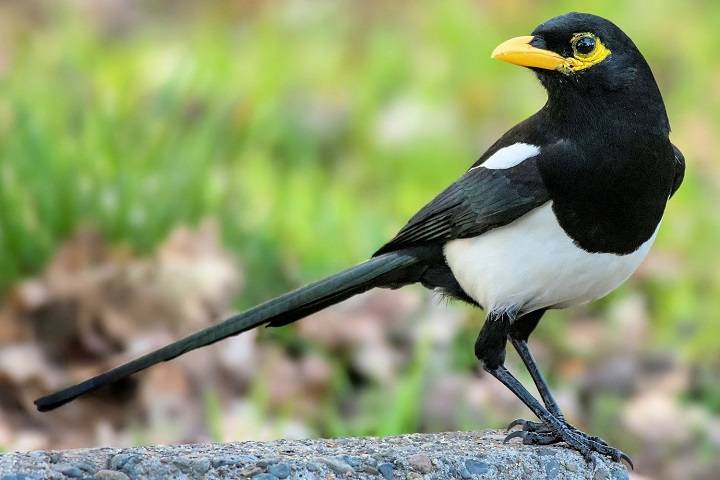
Magpies, members of the Corvidae family, are known for their striking appearance, intelligent behavior, and intricate nest-building skills. Their nests, often constructed with meticulous care and attention to detail, serve as both shelter and breeding grounds for these highly adaptable birds. In this comprehensive exploration, we delve into the fascinating world of magpie nests, uncovering the secrets of their construction, the behavioral dynamics of nest-building, and the ecological significance of these avian architectural wonders.
Anatomy of a Magpie Nest

Construction Materials:
Magpie nests are typically built using a variety of natural materials, including twigs, branches, grasses, leaves, and mud. These materials are carefully selected and woven together to create a sturdy and well-insulated structure capable of supporting the weight of eggs, nestlings, and adult birds.
Architectural Design:
Magpie nests exhibit a characteristic dome-shaped design, with a sturdy outer framework and a soft, cup-shaped interior lined with finer materials such as grass, feathers, and animal fur. The dome structure provides protection from predators, inclement weather, and temperature extremes, ensuring the safety and comfort of nest occupants.
Nest-Building Behavior
Collaborative Efforts:
Magpie nest-building is often a collaborative effort involving both male and female birds, with each partner contributing to different aspects of the construction process. While one bird gathers nesting materials, the other may focus on arranging and weaving them into place, demonstrating remarkable cooperation and coordination between mates.
Trial and Error:
Magpies engage in a process of trial and error during nest-building, experimenting with different materials and structural arrangements until they achieve the desired outcome. This iterative approach allows magpies to refine their nest-building skills over time, resulting in increasingly elaborate and well-constructed nests.
Ecological Significance

Habitat Creation:
Magpie nests play a vital role in creating habitat diversity and providing nesting sites for a variety of other bird species, insects, and small mammals. After the breeding season, abandoned magpie nests may be repurposed by other cavity-nesting birds such as owls, woodpeckers, and small songbirds, contributing to ecosystem biodiversity and resilience.
Nutrient Cycling:
As magpie nests decay over time, they release nutrients back into the environment, enriching the soil and supporting plant growth. The organic matter from decomposing nests serves as a valuable source of nutrients for soil microbes, fungi, and plants, contributing to nutrient cycling and ecosystem productivity.
Human-Magpie Interactions
Perceptions and Myths:
Magpies have long been the subject of superstitions, myths, and folklore in many cultures around the world. While some people view magpies as symbols of good luck and intelligence, others associate them with omens of misfortune or theft, perpetuating negative stereotypes and misconceptions about these highly adaptable birds.
World of Magpie Nests
Urban Adaptation:
Magpies have successfully adapted to urban environments, exploiting human-altered landscapes for food, nesting sites, and social interactions. Their ability to thrive in urban parks, gardens, and neighborhoods demonstrates their remarkable resilience and adaptability in the face of anthropogenic change.
Conservation and Management
Protecting Nesting Habitat:
Conservation efforts aimed at protecting and preserving nesting habitat are essential for maintaining healthy magpie populations and supporting their ecological role as ecosystem engineers. By conserving natural areas, planting native vegetation, and minimizing habitat fragmentation, we can help ensure the continued success of magpies and other wildlife species.
Managing Human-Wildlife Conflict:
Addressing human-wildlife conflict, such as conflicts between magpies and agricultural interests or urban residents, requires a balanced approach that considers the needs and behaviors of both humans and magpies. Implementing non-lethal management strategies, such as habitat modification, deterrents, and public education, can help mitigate conflicts and promote coexistence between people and magpies.
Related Post:
Songs About Birds: A Melodic Journey Through Avian Inspiration
A Symphony of Beauty: Exploring the World of Beautiful Birds
Birds of a Different Feather: Unveiling the Fascinating World of Weird Birds
In conclusion, magpie nests represent remarkable feats of avian engineering, embodying the ingenuity, cooperation, and adaptability of these intelligent birds. By understanding the intricacies of magpie nest construction, behavior, and ecological significance, we gain a deeper appreciation for the vital role that magpies play in shaping and enriching the ecosystems they inhabit. Through conservation efforts, habitat protection, and responsible stewardship, we can ensure the continued survival and prosperity of magpies and their nesting habitats, preserving their legacy as guardians of the avian realm.
